
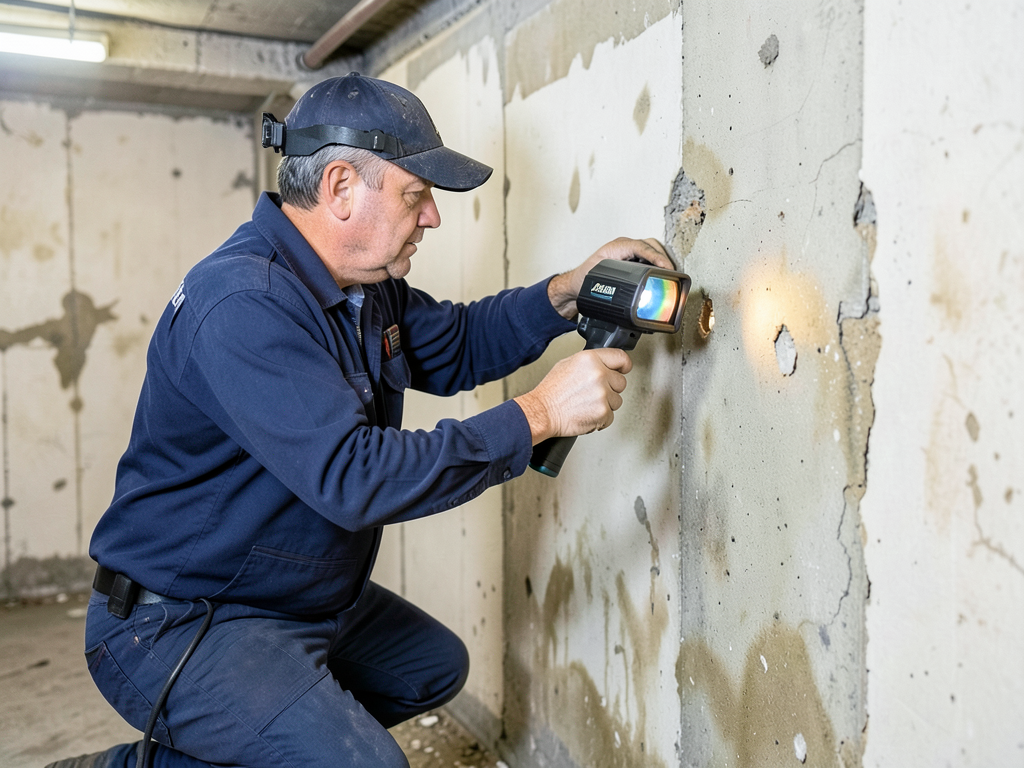
Why professional drying is better than DIY fans for your Hawthorne basement
When water floods your basement in Portland’s Hawthorne neighborhood, the instinct to grab a few fans and hope for the best can cost you thousands in hidden damage. Portland’s persistent humidity and frequent rain create conditions where DIY drying often fails within 24-48 hours, allowing mold to establish colonies behind walls and under flooring before you notice the musty smell. Water damage restoration for Hillsboro offices and commercial spaces.
Professional restoration teams use industrial-grade equipment and moisture mapping technology to detect water that’s invisible to the naked eye. They follow IICRC S500 standards for structural drying, ensuring every cubic foot of affected space reaches safe moisture content levels. The difference between a shop vac and a truck-mounted extraction unit isn’t just power—it’s the ability to prevent secondary damage that turns a $500 cleanup into a $15,000 mold remediation project. IICRC S500 standards.
Portland’s Willamette Valley clay soil and high water table mean basements here face unique challenges. When groundwater pressure meets saturated ground, water finds every crack and seam. DIY fans simply can’t overcome the physics of moisture migration in this climate. Professional LGR (Low Grain Refrigerant) dehumidifiers remove 20-30 gallons of water per day from the air—something household units can’t match. Professional mold removal and remediation for Beaverton homeowners.
Time matters more than you think. Category 1 clean water from a broken pipe becomes Category 2 gray water within 48 hours as bacteria multiply. After 72 hours, it’s Category 3 black water requiring full personal protective equipment and EPA-regulated disposal. The clock starts ticking the moment water contacts building materials. EPA mold information.
Insurance companies expect professional documentation of the drying process. Without moisture readings, infrared imaging, and daily psychrometric logs, your claim might be denied for failure to mitigate damage properly. DIY attempts often void coverage because they don’t meet industry standards for preventing secondary damage.
The cost comparison isn’t just about equipment rental. Hidden water destroys subfloors, warps hardwood, and creates perfect conditions for toxic black mold growth. By the time you notice the problem, structural repairs multiply the original cost by five to ten times. Professional drying prevents this cascade of damage. Emergency water damage restoration in Portland that arrives in under an hour.
Portland’s building codes require specific moisture content levels before reconstruction can begin. Professionals use calibrated moisture meters to verify these levels, while DIY methods rely on touch and smell—inadequate for meeting code requirements. Skipping this step means rebuilding over damp materials, guaranteeing future problems.
Professional teams also handle the disposal of contaminated materials according to Oregon DEQ regulations. DIY disposal of water-damaged materials containing mold or sewage can result in fines and environmental violations. The liability extends beyond property damage to public health risks. Safe and fast sewage backup cleanup services in Gresham.
Don’t let a weekend project turn into a months-long nightmare. The peace of mind from professional documentation, proper drying, and code compliance far outweighs the initial cost difference. Your basement’s structural integrity and your family’s health depend on getting it right the first time.. Read more about The difference between water mitigation and restoration for Richmond homeowners.
Call (503) 882-7766 today to schedule your inspection. Our certified technicians arrive within 60 minutes, equipped with industrial-grade drying equipment and moisture mapping technology specifically calibrated for Portland’s unique climate challenges.
When DIY drying becomes dangerous
DIY water damage cleanup works only for very specific scenarios: clean water spills under 10 square feet, addressed within the first hour, with proper ventilation and low ambient humidity. Portland’s climate eliminates two of those three requirements immediately. Our average winter humidity stays above 80%, and summer rarely drops below 65%.
The moment water contacts drywall, it begins wicking upward at approximately one inch per hour. Within four hours, water can climb two feet up a wall—far beyond what household fans can dry. The paper facing on drywall becomes a food source for mold spores that already exist in every home.. Read more about Why your King neighborhood home gets a wet basement every time it rains.
Electrical hazards multiply when water contacts outlets, junction boxes, or appliances. Even after surface water appears gone, electrical systems may retain dangerous moisture levels. Professional teams use ground fault circuit interrupters and moisture meters to verify safety before restoring power.
Category 2 and 3 water situations require full personal protective equipment and EPA-regulated disposal methods. Gray water from washing machines contains detergents and organic matter that breed bacteria within hours. Black water from sewage backups or flooding contains pathogens requiring Hazmat-level precautions. Washing Machine Overflow Cleanup.
Structural damage often hides beneath surface water. Subfloors can absorb five times their weight in water, warping and delaminating over days. Without proper drying, this damage progresses until replacement becomes the only option. Professional moisture mapping identifies these problem areas before they worsen.. Read more about The real signs that your hardwood floors are salvageable after a leak in Sellwood.
The financial risk extends beyond immediate repairs. Insurance companies track claim history, and DIY attempts that result in denied claims can affect future coverage and premiums. Professional documentation creates a clear record of proper mitigation efforts.
Portland’s building age compounds these risks. Many Hawthorne basements feature lathe and plaster walls, hardwood flooring, and original woodwork that require specialized drying techniques. Standard fans can damage these materials through rapid, uneven drying that causes cracking and splitting.. Read more about Why your Buckman basement smells musty and how to fix it.
Professional restoration isn’t just about removing water—it’s about preventing the cascade of damage that turns a simple cleanup into a major renovation. The upfront investment protects your property value and your family’s health.
Don’t wait until the musty smell appears. Call (503) 882-7766 now for professional assessment. Our teams understand Portland’s unique building challenges and can prevent the secondary damage that DIY methods guarantee.
Professional equipment vs. household fans
The difference between professional and DIY drying equipment isn’t just horsepower—it’s the science of psychrometrics. Professional LGR dehumidifiers remove moisture from the air at the molecular level, while household fans only circulate existing moisture. This fundamental difference determines whether water truly leaves your basement or just moves to another surface.
Industrial air movers create focused, high-velocity airflow that penetrates wall cavities and under flooring. Standard box fans create turbulent airflow that can actually slow drying by creating pressure differentials. Professionals calculate the exact number and placement of air movers based on cubic footage and material types.
Moisture meters used by professionals measure moisture content in materials to within 0.1%. Visual inspection and touch can’t detect moisture levels above 15-20%, which is when mold begins growing rapidly. Professional thermal imaging cameras reveal temperature differences that indicate hidden moisture pockets behind walls.
Professional extraction equipment removes water at 20-30 gallons per minute, compared to shop vacs that manage 2-3 gallons per minute. This speed difference means the difference between saving and replacing carpet, hardwood, and drywall. Time equals material preservation.
Desiccant dehumidifiers used in professional settings can reduce relative humidity to 10-15%, creating conditions where water literally migrates from materials into the air. Household dehumidifiers struggle to maintain 50% humidity in Portland’s climate, let alone create the aggressive drying conditions needed for structural materials.
Professional teams also use injectidry systems that force dry air into wall cavities through small holes, drying from the inside out. This prevents the cracking and splitting that occurs when exterior surfaces dry faster than interior materials. The technology exists specifically because DIY methods cause this damage.
Air quality monitoring equipment measures airborne particulates, VOCs, and mold spores during the drying process. This ensures that drying efforts aren’t spreading contaminants throughout your home. DIY methods can aerosolize mold spores, creating health hazards that extend far beyond the affected area.
The equipment investment for professional restoration runs $50,000-$100,000 per truck, compared to $500-$1,000 for DIY rental equipment. This difference reflects the capability gap—not just in power, but in precision, monitoring, and safety features.
Professional teams also carry specialized equipment for specific materials: hardwood floor drying panels, carpet rescue systems, and document drying chambers. Each material requires different drying curves to prevent damage. DIY one-size-fits-all approaches guarantee some level of material loss.
Don’t risk your property with inadequate equipment. Call (503) 882-7766 to connect with professionals who bring the right tools for Portland’s specific challenges. Our equipment is calibrated for local conditions, not generic national standards.
Portland’s unique drying challenges
Portland’s climate creates drying conditions that defeat most DIY efforts before they begin. Our average annual rainfall of 43 inches means the ground stays saturated for months, creating constant hydrostatic pressure against basement walls. This pressure forces water through even tiny cracks, making complete water removal nearly impossible without professional techniques.
Relative humidity in Portland rarely drops below 55%, even during summer months. This ambient moisture means that any water introduced into a basement environment has nowhere to go—it just cycles between materials and the air. Professional dehumidification creates the moisture gradient necessary for actual water removal.
The Willamette Valley’s clay soil expands when wet and contracts when dry, creating foundation movement that opens new cracks with each moisture cycle. DIY repairs often fail within one wet season because they don’t address this soil behavior. Professional teams understand these geological factors and plan accordingly.
Portland’s historic building stock presents additional challenges. Many Hawthorne homes built before 1940 lack proper vapor barriers, have single-wall construction, or feature materials no longer available. These buildings require specialized drying approaches that balance moisture removal with material preservation.. Read more about Protecting historic Laurelhurst homes from long-term water damage.
Local building codes require specific moisture content levels before reconstruction can begin—typically 12-16% for wood framing, depending on the season. DIY methods can’t verify these levels, leading to rebuilding over damp materials. This practice guarantees future problems including mold growth and structural degradation.
Portland’s proximity to the Columbia River Gorge creates unique wind patterns that affect drying. East winds can rapidly drop humidity levels, while west winds bring moisture from the ocean. Professional teams account for these microclimate variations when planning drying strategies.
The city’s combined sewer system in older neighborhoods means that basement flooding often involves sewage contamination. This Category 3 water situation requires EPA-regulated cleanup procedures that DIY methods can’t safely provide. The health risks extend far beyond property damage.
Portland’s building age means many homes have lead paint, asbestos, or other hazardous materials that become dangerous when disturbed by water damage. Professional teams follow OSHA regulations for handling these materials, while DIY efforts can create serious health hazards.
Local soil conditions also affect drying. The Missoula Flood deposits that dominate Portland’s soil profile create poor drainage and high water tables in many areas. This means groundwater can continue seeping into basements for days after surface water removal, defeating DIY efforts.
Don’t let Portland’s unique conditions defeat your cleanup efforts. Call (503) 882-7766 to work with professionals who understand local challenges. Our teams bring experience with Portland’s specific building stock, soil conditions, and climate factors.
Insurance implications of DIY attempts
Insurance companies expect professional documentation of water damage mitigation efforts. Without moisture readings, infrared imaging, and daily psychrometric logs, your claim might be denied for failure to mitigate damage properly. DIY attempts often void coverage because they don’t meet industry standards for preventing secondary damage.
Most homeowner policies require policyholders to take reasonable steps to prevent further damage after a loss occurs. Professional restoration teams provide this documentation automatically, while DIY efforts leave you guessing whether you’ve met your policy obligations. The cost of professional service often pales compared to a denied claim.
Insurance adjusters look for evidence of proper mitigation when evaluating claims. They expect to see industrial-grade equipment, moisture mapping, and daily monitoring logs. DIY cleanup leaves a documentation gap that adjusters interpret as negligence, potentially reducing your settlement or denying coverage entirely.
The timing of professional involvement matters significantly. Many policies have specific requirements for when professional help must be called. Waiting too long after discovering water damage can be considered a breach of your duty to mitigate, regardless of your DIY efforts.
Professional restoration companies work directly with insurance companies, providing standardized documentation that adjusters recognize and trust. This streamlines the claims process and often results in higher settlements because the damage scope is clearly documented from the start.
DIY attempts can actually increase your claim costs. When professionals must undo improper DIY work before beginning proper restoration, the total project cost increases significantly. Insurance companies may refuse to cover these additional costs, leaving you responsible for the difference.
Some insurance policies specifically exclude coverage for damage resulting from inadequate mitigation efforts. If your DIY cleanup allows mold to grow or structural damage to worsen, you might find yourself without coverage for the resulting problems. The savings from DIY can quickly become a financial liability.
Professional teams also help with the claims process itself, providing detailed estimates, before-and-after documentation, and direct communication with adjusters. This advocacy can make the difference between a smooth settlement and a protracted dispute over coverage.
Portland’s specific insurance market has additional considerations. Many local insurers are familiar with the region’s unique water damage patterns and expect professional mitigation for certain types of losses. DIY efforts might meet general standards but fail to satisfy local insurer expectations.
Don’t risk your insurance coverage on inadequate cleanup. Call (503) 882-7766 to connect with professionals who understand both the technical requirements and the insurance documentation needs. Our teams ensure your mitigation efforts meet all policy requirements.
Cost analysis: DIY vs. professional drying
The upfront cost difference between DIY and professional drying can be misleading. DIY equipment rental might cost $200-$500 for a weekend, while professional service starts around $1,500-$3,000. However, this comparison ignores the hidden costs that DIY methods often create.
Hidden water damage from inadequate drying typically surfaces within 30-90 days. By then, mold remediation costs average $15-$30 per square foot, structural repairs add $25-$50 per square foot, and content replacement can exceed $10,000 for a typical basement. The initial savings disappear quickly.
Professional drying prevents these secondary costs by ensuring complete moisture removal. Industrial-grade equipment can save materials that DIY methods would require replacing. The cost of saving hardwood flooring through proper drying is often less than half the replacement cost.
Time costs factor significantly in the comparison. DIY cleanup often takes 3-5 times longer than professional service because of equipment limitations and lack of experience. This extended timeline means longer displacement from your home and greater disruption to your life.
Health costs represent another hidden factor. DIY exposure to mold, bacteria, and other contaminants can result in medical expenses ranging from allergy treatments to serious respiratory infections. Professional teams use proper protective equipment and containment procedures to prevent these exposures.
Property value impacts can be substantial. Undisclosed water damage or improper repairs can reduce your home’s value by 10-15% and create liability issues during future sales. Professional documentation and proper repairs protect your investment.
Business interruption costs multiply for commercial properties. Every day of closure due to inadequate drying represents lost revenue that can exceed the cost difference between DIY and professional service within the first week. Professional teams prioritize rapid restoration to minimize downtime.
The equipment efficiency gap means DIY efforts often require multiple rental periods as initial attempts fail. This extends the project timeline and increases total costs beyond the initial rental fee. Professional service includes all necessary equipment and labor in a single cost.
DIY mistakes can create code violations that require expensive corrections before reconstruction can begin. Professional teams ensure all work meets local building codes, preventing these costly delays and rework requirements.
Insurance premium impacts can last for years. Claims resulting from DIY failures often lead to higher premiums or policy non-renewals. Professional documentation and proper mitigation can prevent these long-term cost increases.
The true cost comparison must include both direct expenses and indirect costs over time. When you factor in the risk of secondary damage, health hazards, and insurance complications, professional service often proves more economical despite higher upfront costs.
Protect your investment with professional service. Call (503) 882-7766 today for a comprehensive assessment. Our transparent pricing includes all necessary equipment, labor, and documentation to ensure complete, code-compliant restoration.
Frequently Asked Questions
How long does professional water damage drying take?
Professional structural drying typically requires 3-5 days for Category 1 water damage, extending to 7-10 days for Category 2 or 3 situations. The timeline depends on material types, saturation levels, and Portland’s ambient humidity. Professional teams provide daily progress monitoring and documentation throughout the process.
Can I stay in my home during professional drying?
Most Category 1 situations allow you to remain in your home, though noise from air movers and reduced access to affected areas may be inconvenient. Category 2 and 3 water damage often requires temporary relocation due to contamination risks and equipment noise levels exceeding 85 decibels.
Will my insurance cover professional water damage restoration?
Most standard homeowner policies cover sudden and accidental water damage, including professional restoration costs. Coverage for gradual damage or maintenance-related issues varies by policy. Professional restoration companies typically provide insurance claim assistance and can verify coverage specifics for your situation.
What’s the difference between drying and dehumidification?
Drying removes visible water from surfaces, while dehumidification removes moisture from the air and materials at a molecular level. Professional restoration uses both processes simultaneously, following IICRC S500 standards to ensure complete moisture removal and prevent secondary damage that surface drying alone cannot address.
How do I know if water damage is covered by insurance?
Insurance typically covers sudden, accidental water damage from sources like burst pipes or appliance failures. It generally excludes gradual damage, flooding (requiring separate flood insurance), and maintenance-related issues. Professional assessment can help determine coverage before you begin cleanup efforts.
Why professional drying is worth every penny
The decision between DIY and professional water damage restoration isn’t just about saving money—it’s about protecting your home’s structural integrity, your family’s health, and your financial future. Portland’s unique climate and building characteristics make professional service not just preferable but often necessary for complete, safe restoration.
Professional teams bring industrial-grade equipment, moisture mapping technology, and IICRC-certified expertise that DIY methods can’t match. They understand Portland’s specific challenges: high humidity, clay soil, historic building stock, and strict building codes. This local knowledge translates into faster drying times, better material preservation, and code-compliant results.
The hidden costs of DIY failure—mold remediation, structural repairs, health issues, insurance complications—often exceed the original professional service cost by five to ten times. When you factor in property value protection, insurance claim success rates, and peace of mind, professional service represents true value rather than just an expense.
Time sensitivity makes professional response critical. Water damage follows predictable timelines: Category 1 becomes Category 2 within 48 hours, and Category 3 within 72 hours. Professional teams arrive within 60 minutes with the equipment and expertise to stop this progression before it escalates.
Insurance documentation requirements make professional service essential for claim success. Without proper moisture readings, infrared imaging, and daily psychrometric logs, your claim might be denied regardless of the actual damage extent. Professional teams provide this documentation automatically as part of their service.
Portland’s building codes require specific moisture content levels before reconstruction can begin. DIY methods can’t verify these levels, leading to rebuilding over damp materials and guaranteeing future problems. Professional moisture meters ensure code compliance and prevent costly rework.
Health and safety considerations extend beyond immediate water removal. Professional teams handle contaminated water according to EPA regulations, use proper personal protective equipment, and prevent the spread of mold spores and bacteria throughout your home. DIY exposure can create serious health hazards.
Don’t let a flooded basement become a financial disaster. The cost of professional restoration pales compared to the expenses of DIY failure: mold remediation, structural repairs, medical bills, and insurance complications. Your home represents your largest investment—protect it with professional expertise.
Call (503) 882-7766 today to schedule your inspection. Our certified technicians arrive within 60 minutes, equipped with industrial-grade drying equipment and moisture mapping technology specifically calibrated for Portland’s unique climate challenges. We’ll provide a comprehensive assessment and transparent pricing before any work begins.
Pick up the phone and call (503) 882-7766 before the next storm hits. Water damage waits for no one, but professional restoration can save your home and your peace of mind. Our 24/7 emergency response teams are standing by to protect your Portland property from the hidden dangers of inadequate drying.
Don’t gamble with your home’s future. Professional drying isn’t just a service—it’s an investment in your property’s longevity and your family’s health. Call (503) 882-7766 now and let our experts handle the science of structural drying while you focus on getting your life back to normal.
You may also find this helpful. That puddle near your AC unit in Hollywood District might be doing more damage than you think.
{
“@context”: “https://schema.org”,
“@type”: “BlogPosting”,
“headline”: “Why professional drying is better than DIY fans for your Hawthorne basement”,
“description”: “Don’t risk mold growth and structural damage. Learn why Portland’s humidity makes DIY basement drying dangerous and when to call professionals.”,
“wordCount”: 3396,
“datePublished”: “2026-03-08T16:10:00.000Z”,
“dateModified”: “2026-03-08T16:10:00.000Z”,
“inLanguage”: “en-US”,
“mainEntityOfPage”: {
“@type”: “WebPage”,
“@id”: “https://evergreenwaterdamagerestorationportland.com”
},
“publisher”: {
“@type”: “LocalBusiness”,
“name”: “Evergreen Water Damage Restoration Portland”,
“url”: “https://evergreenwaterdamagerestorationportland.com”
},
“author”: {
“@type”: “Organization”,
“name”: “Evergreen Water Damage Restoration Portland”,
“url”: “https://evergreenwaterdamagerestorationportland.com”
},
“image”: {
“@type”: “ImageObject”,
“url”: “https://evergreenwaterdamagerestorationportland.com/wp-content/uploads/2026/03/why-professional-drying-is-better-than-diy-fans-fo-1.png”
}
}
{
“@context”: “https://schema.org”,
“@type”: “LocalBusiness”,
“name”: “Evergreen Water Damage Restoration Portland”,
“url”: “https://evergreenwaterdamagerestorationportland.com”,
“address”: {
“@type”: “PostalAddress”,
“addressLocality”: “Portland”
},
“areaServed”: {
“@type”: “City”,
“name”: “Portland”
}
}
{
“@context”: “https://schema.org”,
“@type”: “FAQPage”,
“mainEntity”: [
{
“@type”: “Question”,
“name”: “How long does professional water damage drying take?”,
“acceptedAnswer”: {
“@type”: “Answer”,
“text”: “Professional structural drying typically requires 3-5 days for Category 1 water damage, extending to 7-10 days for Category 2 or 3 situations. The timeline depends on material types, saturation levels, and Portland’s ambient humidity. Professional teams provide daily progress monitoring and documentation throughout the process.”
}
},
{
“@type”: “Question”,
“name”: “Can I stay in my home during professional drying?”,
“acceptedAnswer”: {
“@type”: “Answer”,
“text”: “Most Category 1 situations allow you to remain in your home, though noise from air movers and reduced access to affected areas may be inconvenient. Category 2 and 3 water damage often requires temporary relocation due to contamination risks and equipment noise levels exceeding 85 decibels.”
}
},
{
“@type”: “Question”,
“name”: “Will my insurance cover professional water damage restoration?”,
“acceptedAnswer”: {
“@type”: “Answer”,
“text”: “Most standard homeowner policies cover sudden and accidental water damage, including professional restoration costs. Coverage for gradual damage or maintenance-related issues varies by policy. Professional restoration companies typically provide insurance claim assistance and can verify coverage specifics for your situation.”
}
},
{
“@type”: “Question”,
“name”: “What’s the difference between drying and dehumidification?”,
“acceptedAnswer”: {
“@type”: “Answer”,
“text”: “Drying removes visible water from surfaces, while dehumidification removes moisture from the air and materials at a molecular level. Professional restoration uses both processes simultaneously, following IICRC S500 standards to ensure complete moisture removal and prevent secondary damage that surface drying alone cannot address.”
}
},
{
“@type”: “Question”,
“name”: “How do I know if water damage is covered by insurance?”,
“acceptedAnswer”: {
“@type”: “Answer”,
“text”: “Insurance typically covers sudden, accidental water damage from sources like burst pipes or appliance failures. It generally excludes gradual damage, flooding (requiring separate flood insurance), and maintenance-related issues. Professional assessment can help determine coverage before you begin cleanup efforts.”
}
}
]
}
{
“@context”: “https://schema.org”,
“@type”: “BreadcrumbList”,
“itemListElement”: [
{
“@type”: “ListItem”,
“position”: 1,
“name”: “Home”,
“item”: “https://evergreenwaterdamagerestorationportland.com”
},
{
“@type”: “ListItem”,
“position”: 2,
“name”: “Blog”,
“item”: “https://evergreenwaterdamagerestorationportland.com/blog”
},
{
“@type”: “ListItem”,
“position”: 3,
“name”: “Why professional drying is better than DIY fans for your Hawthorne basement”
}
]
}
{
“@context”: “https://schema.org”,
“@type”: “Service”,
“serviceType”: “Water Damage Restoration”,
“provider”: {
“@type”: “LocalBusiness”,
“name”: “Evergreen Water Damage Restoration Portland”,
“url”: “https://evergreenwaterdamagerestorationportland.com”
},
“areaServed”: {
“@type”: “City”,
“name”: “Portland”
},
“description”: “Don’t risk mold growth and structural damage. Learn why Portland’s humidity makes DIY basement drying dangerous and when to call professionals.”
}