
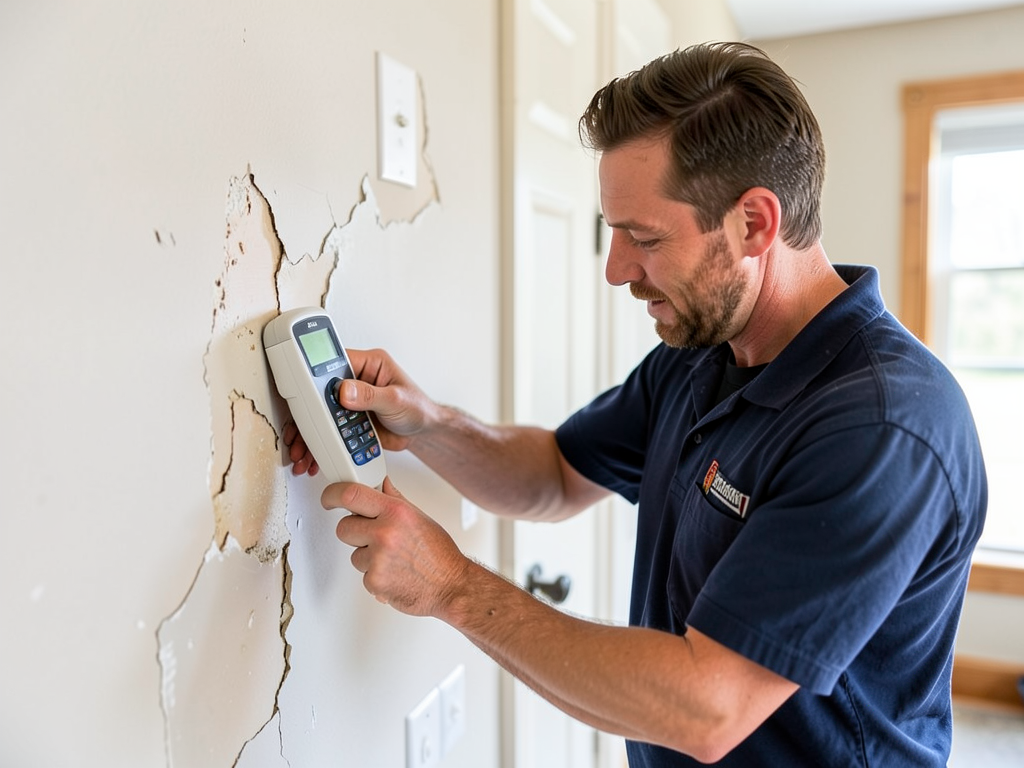
What to look for in a restoration estimate for your Fairview home
Getting a restoration estimate after water damage in your Fairview home can feel overwhelming. You need to know what’s fair, what’s necessary, and how to spot red flags before signing anything. A good estimate breaks down every cost so you can compare apples to apples and avoid surprise charges later. Water damage restoration for Hillsboro offices and commercial spaces.
Fairview homes face unique challenges from the area’s clay soils and seasonal flooding patterns. Your estimate should reflect local conditions like permit requirements and disposal fees specific to Multnomah County. Understanding these factors helps you make informed decisions when your home is at its most vulnerable.
Key sections every restoration estimate must include
A professional restoration estimate for your Fairview home should clearly outline the scope of work, timeline, and costs. Each section tells you exactly what you’re paying for and why it’s necessary for proper recovery. Professional mold removal and remediation for Beaverton homeowners.
Scope of work description
The estimate must detail every step from initial water extraction to final repairs. Look for specific descriptions like “remove and dispose of damaged drywall in living room” rather than vague terms like “demo work.” This clarity prevents misunderstandings about what gets fixed versus what gets replaced. Emergency water damage restoration in Portland that arrives in under an hour.
Water category classification
Professional restorers classify water damage into three categories based on contamination levels. Category 1 involves clean water from broken pipes. Category 2 includes gray water from washing machines or dishwashers. Category 3 covers black water from sewage backups or floodwater. Each category requires different safety protocols and affects your final cost significantly. Safe and fast sewage backup cleanup services in Gresham.
Equipment and materials list
Your estimate should list all equipment rentals like dehumidifiers, air movers, and air scrubbers. It should also specify materials such as antimicrobial treatments, moisture barriers, and replacement building materials. This transparency helps you understand where your money goes and whether cheaper alternatives exist.
Understanding water damage categories and their cost impact
Water damage restoration costs vary dramatically based on contamination levels. The IICRC S500 standard defines three categories that determine cleaning methods, safety requirements, and disposal procedures. IICRC S500 standard.
| Water Category | Contamination Level | Typical Sources | Cost Range per Square Foot |
|---|---|---|---|
| Category 1 | Clean | Broken supply lines, rainwater | $3.75 – $4.50 |
| Category 2 | Gray | Washer overflow, dishwasher leak | $4.50 – $6.25 |
| Category 3 | Black | Sewer backup, floodwater | $6.25 – $7.75 |
Category 3 water requires full personal protective equipment, specialized cleaning agents, and often complete material removal. These safety measures drive up costs but protect your family’s health. A washing machine overflow might seem minor, but if it involves contaminated water, costs can triple. Washing Machine Overflow Cleanup.
Fairview-specific factors that affect your restoration estimate
Fairview’s location near the Columbia River Gorge creates unique restoration challenges. The area’s high water table and clay soil composition affect how water moves through your property and how long drying takes.
Local permit requirements
Multnomah County requires permits for structural repairs exceeding $500 in value. Your estimate should itemize permit fees separately, typically ranging from $50 to $300 depending on project scope. These fees ensure work meets Oregon Residential Specialty Code standards for moisture management. Oregon Residential Specialty Code.
Soil and drainage considerations
Fairview sits on Missoula Flood deposits with high clay content. This soil type retains water longer than sandy soils, extending drying times by 24-48 hours. Your estimate should account for additional dehumidification equipment and monitoring to ensure complete moisture removal.
Weather impact on restoration timeline
Portland’s rainy season from October through March can delay outdoor work like foundation repairs. A realistic estimate includes weather contingency days and explains how seasonal conditions affect your specific restoration plan.
Red flags to watch for in restoration estimates
Not all restoration estimates are created equal. Some contractors cut corners or hide costs that lead to bigger problems later. Knowing what to watch for protects your investment and your family’s health.
Vague scope descriptions
Watch for estimates that use terms like “repair damage” or “restore affected areas” without specifics. A professional estimate names materials, square footage, and exact procedures. If you can’t tell what gets fixed, you might pay for incomplete work.
Missing insurance coordination
Quality restoration companies coordinate directly with insurance adjusters. Your estimate should include Xactimate pricing codes that insurance companies recognize. This coordination prevents disputes over coverage and ensures you get maximum benefits under your policy.
No moisture monitoring plan
Proper restoration requires daily moisture readings until materials reach safe levels. Your estimate should specify how many monitoring visits are included and what equipment gets used. Skipping this step leads to hidden mold growth and structural damage.
How to compare multiple restoration estimates
Getting three estimates is standard practice, but comparing them requires more than looking at bottom-line prices. Different contractors may propose different approaches to the same problem.
Compare scope of work line by line
Create a spreadsheet comparing each estimate’s scope items. One contractor might include mold testing while another doesn’t. One might propose drying hardwood floors while another recommends replacement. These differences explain price variations and help you choose the best approach.
Check for Xactimate pricing
Professional restoration companies use Xactimate software for estimating. This industry-standard system ensures pricing consistency and insurance compatibility. Estimates using Xactimate line items are easier to get approved and less likely to have hidden costs.
Verify contractor credentials
Look for IICRC certification, Oregon contractor licenses, and proof of insurance. A cheaper estimate from an unlicensed contractor might save money upfront but creates liability if work causes additional damage.
Insurance coordination and claim documentation
Your restoration estimate becomes the foundation of your insurance claim. How it’s prepared affects how much your insurance company will pay and how quickly you receive funds.
Documentation requirements
Insurance companies need before and after photos, moisture readings, and detailed cost breakdowns. Your estimate should explain how the contractor documents damage and tracks restoration progress. This documentation proves your claim is legitimate and prevents underpayment.
Direct insurance billing
Many restoration companies offer direct insurance billing, where they invoice your insurance company directly. This service eliminates out-of-pocket expenses except for your deductible. Your estimate should explain this option and any associated fees.
Oregon insurance considerations
Oregon law requires insurance companies to respond to claims within 30 days. Your estimate should include a timeline for claim submission and expected payment processing. This timeline helps you plan temporary housing or other accommodations if needed.
Payment terms and financing options
Understanding payment terms prevents financial surprises during an already stressful time. A clear payment schedule shows when deposits are due and how final payment works.
Deposit requirements
Most restoration companies require a deposit before starting work, typically 10-30% of the total estimate. Your estimate should specify the exact deposit amount and what work it covers. Be wary of contractors asking for full payment upfront.
Progress payments
Larger restoration projects often use progress payments tied to completion milestones. Your estimate should outline these payments and what constitutes completion for each phase. This structure protects both you and the contractor.
Financing options
Some restoration companies offer financing through third-party lenders. Your estimate should explain available options, interest rates, and approval requirements. This information helps you plan for costs your insurance might not cover.
Timeline expectations and project management
Water damage restoration follows a specific sequence of steps. Your estimate should explain how long each phase takes and what factors might cause delays.
Emergency response timeline
Professional restoration begins within 2-4 hours of your call. Your estimate should guarantee response times and explain what happens during the first visit. Quick response prevents secondary damage and reduces overall costs.
Drying and monitoring phases
Complete drying typically takes 3-7 days depending on materials and conditions. Your estimate should specify daily monitoring requirements and what moisture levels indicate completion. Rushing this phase leads to mold growth and structural problems.
Repair and reconstruction timeline
Once drying completes, repairs begin. Your estimate should break down reconstruction phases and how long each takes. This timeline helps you plan for displaced items and temporary living arrangements if needed.
Questions to ask before signing any restoration estimate
Before committing to any restoration work, ask specific questions that reveal contractor quality and protect your interests.
Experience and specialization questions
Ask how many similar projects the company has completed in Fairview and surrounding areas. Request references from local customers and proof of IICRC certification. Local experience matters because contractors familiar with Fairview’s soil conditions and building codes work more efficiently.
Insurance and liability questions
Verify the contractor carries workers’ compensation and general liability insurance. Ask who’s responsible if their work causes additional damage. A professional company carries adequate insurance and names you as an additional insured on their policy.
Guarantee and warranty questions
Ask what guarantees come with the restoration work. Most reputable companies offer at least a one-year warranty on repairs. Your estimate should specify warranty terms and what’s required to keep it valid.
Final checklist before accepting your restoration estimate
Use this checklist to ensure your restoration estimate covers everything needed for complete recovery.
- □ Scope of work is specific and detailed
- □ Water category classification is included
- □ Xactimate pricing codes are used
- □ Permit fees for Multnomah County are itemized
- □ Insurance coordination process is explained
- □ Timeline includes weather contingencies
- □ Payment terms are clear and reasonable
- □ Contractor credentials are verified
- □ Warranty information is provided
Taking time to review your restoration estimate thoroughly saves money and prevents headaches later. A complete, professional estimate gives you confidence that your Fairview home will recover properly from water damage.
Frequently Asked Questions
How long should I wait to get a restoration estimate after water damage?
Call for an estimate within 2-4 hours of discovering water damage. Quick response prevents secondary damage and reduces overall restoration costs. Most professional companies offer 24/7 emergency response.
Will my insurance cover the full restoration estimate?
Insurance typically covers sudden, accidental water damage but not gradual leaks or maintenance issues. Your estimate should include Xactimate pricing that insurance companies recognize, and most restoration companies coordinate directly with your adjuster.
What if I can’t afford the restoration estimate?
Ask about financing options, payment plans, or whether your restoration company offers direct insurance billing. Some companies can bill your insurance directly, requiring only your deductible upfront. Emergency services often provide temporary solutions while you arrange funding.
How do I know if the estimate is fair?
Compare estimates from at least three companies using the same scope of work. Look for Xactimate pricing consistency and verify contractor credentials. A fair estimate includes detailed line items, permit fees, and a clear timeline for completion.
Can I do some restoration work myself to save money?
DIY restoration often creates bigger problems. Professional equipment and techniques remove moisture that homeowners miss. Attempting restoration yourself might void insurance coverage and lead to mold growth that costs more to fix later.
What happens if the restoration reveals more damage?
Quality restoration companies include a contingency for unexpected damage in their estimates. If additional damage appears, they should provide change orders explaining new costs before proceeding. Never allow work to continue without written approval for additional charges.
Ready to get a professional restoration estimate for your Fairview home? Call (503) 882-7766 today to schedule your inspection. Our team arrives within 2-4 hours, provides detailed Xactimate-based estimates, and coordinates directly with your insurance company to get you back to normal as quickly as possible.
Don’t let water damage compromise your home’s value or your family’s health. Pick up the phone and call (503) 882-7766 before the next storm hits. We’re standing by 24/7 to protect your Fairview home from water damage and restore it to better than new condition.
{
“@context”: “https://schema.org”,
“@type”: “BlogPosting”,
“headline”: “What to look for in a restoration estimate for your Fairview home”,
“description”: “Learn what to look for in a restoration estimate for your Fairview home. Understand cost factors, water categories, and how to compare quotes from local contractors.”,
“wordCount”: 1971,
“datePublished”: “2026-03-16T07:24:00.000Z”,
“dateModified”: “2026-03-16T07:24:00.000Z”,
“inLanguage”: “en-US”,
“mainEntityOfPage”: {
“@type”: “WebPage”,
“@id”: “https://evergreenwaterdamagerestorationportland.com”
},
“publisher”: {
“@type”: “LocalBusiness”,
“name”: “Evergreen Water Damage Restoration Portland”,
“url”: “https://evergreenwaterdamagerestorationportland.com”
},
“author”: {
“@type”: “Organization”,
“name”: “Evergreen Water Damage Restoration Portland”,
“url”: “https://evergreenwaterdamagerestorationportland.com”
},
“image”: {
“@type”: “ImageObject”,
“url”: “https://evergreenwaterdamagerestorationportland.com/wp-content/uploads/2026/03/what-to-look-for-in-a-restoration-estimate-for-you-1.png”
}
}
{
“@context”: “https://schema.org”,
“@type”: “LocalBusiness”,
“name”: “Evergreen Water Damage Restoration Portland”,
“url”: “https://evergreenwaterdamagerestorationportland.com”,
“address”: {
“@type”: “PostalAddress”,
“addressLocality”: “Portland”
},
“areaServed”: {
“@type”: “City”,
“name”: “Portland”
}
}
{
“@context”: “https://schema.org”,
“@type”: “FAQPage”,
“mainEntity”: [
{
“@type”: “Question”,
“name”: “How long should I wait to get a restoration estimate after water damage?”,
“acceptedAnswer”: {
“@type”: “Answer”,
“text”: “Call for an estimate within 2-4 hours of discovering water damage. Quick response prevents secondary damage and reduces overall restoration costs. Most professional companies offer 24/7 emergency response.”
}
},
{
“@type”: “Question”,
“name”: “Will my insurance cover the full restoration estimate?”,
“acceptedAnswer”: {
“@type”: “Answer”,
“text”: “Insurance typically covers sudden, accidental water damage but not gradual leaks or maintenance issues. Your estimate should include Xactimate pricing that insurance companies recognize, and most restoration companies coordinate directly with your adjuster.”
}
},
{
“@type”: “Question”,
“name”: “What if I can’t afford the restoration estimate?”,
“acceptedAnswer”: {
“@type”: “Answer”,
“text”: “Ask about financing options, payment plans, or whether your restoration company offers direct insurance billing. Some companies can bill your insurance directly, requiring only your deductible upfront. Emergency services often provide temporary solutions while you arrange funding.”
}
},
{
“@type”: “Question”,
“name”: “How do I know if the estimate is fair?”,
“acceptedAnswer”: {
“@type”: “Answer”,
“text”: “Compare estimates from at least three companies using the same scope of work. Look for Xactimate pricing consistency and verify contractor credentials. A fair estimate includes detailed line items, permit fees, and a clear timeline for completion.”
}
},
{
“@type”: “Question”,
“name”: “Can I do some restoration work myself to save money?”,
“acceptedAnswer”: {
“@type”: “Answer”,
“text”: “DIY restoration often creates bigger problems. Professional equipment and techniques remove moisture that homeowners miss. Attempting restoration yourself might void insurance coverage and lead to mold growth that costs more to fix later.”
}
},
{
“@type”: “Question”,
“name”: “What happens if the restoration reveals more damage?”,
“acceptedAnswer”: {
“@type”: “Answer”,
“text”: “Quality restoration companies include a contingency for unexpected damage in their estimates. If additional damage appears, they should provide change orders explaining new costs before proceeding. Never allow work to continue without written approval for additional charges.”
}
}
]
}
{
“@context”: “https://schema.org”,
“@type”: “BreadcrumbList”,
“itemListElement”: [
{
“@type”: “ListItem”,
“position”: 1,
“name”: “Home”,
“item”: “https://evergreenwaterdamagerestorationportland.com”
},
{
“@type”: “ListItem”,
“position”: 2,
“name”: “Blog”,
“item”: “https://evergreenwaterdamagerestorationportland.com/blog”
},
{
“@type”: “ListItem”,
“position”: 3,
“name”: “What to look for in a restoration estimate for your Fairview home”
}
]
}
{
“@context”: “https://schema.org”,
“@type”: “Service”,
“serviceType”: “Water Damage Restoration”,
“provider”: {
“@type”: “LocalBusiness”,
“name”: “Evergreen Water Damage Restoration Portland”,
“url”: “https://evergreenwaterdamagerestorationportland.com”
},
“areaServed”: {
“@type”: “City”,
“name”: “Portland”
},
“description”: “Learn what to look for in a restoration estimate for your Fairview home. Understand cost factors, water categories, and how to compare quotes from local contractors.”
}