
Why Mt. Tabor homes are prone to frozen pipes during Portland cold snaps
Mt. Tabor’s higher elevation often leads to colder temperatures than the rest of the city. This seasonal awareness content captures proactive homeowners looking to avoid the ‘burst pipe’ scenario already covered on the site.
Portland’s unique geography creates specific challenges for Mt. Tabor homeowners when winter temperatures drop. The neighborhood sits approximately 400 feet above sea level, making it significantly colder than downtown Portland during cold snaps. This elevation difference, combined with the area’s historic housing stock, creates a perfect storm for frozen pipe emergencies.
Many Mt. Tabor homes were built between 1900 and 1940, featuring original plumbing systems that weren’t designed for today’s extreme weather patterns. These older pipes often run through uninsulated crawl spaces or exterior walls, making them vulnerable to freezing when temperatures fall below 32°F.
The Columbia River Gorge winds can funnel cold air directly into Mt. Tabor, dropping temperatures 5-10 degrees lower than surrounding areas. This wind chill effect accelerates pipe freezing, especially in homes with poor insulation or drafty foundations.
Understanding these local factors is crucial for preventing costly water damage. Mt. Tabor’s combination of elevation, historic architecture, and wind patterns creates unique risks that require specific prevention strategies. Water damage restoration for Hillsboro offices and commercial spaces.
How Mt. Tabor’s elevation affects pipe freezing risk
Elevation plays a critical role in determining how quickly and severely cold weather impacts plumbing systems. For every 1,000 feet of elevation gain, temperatures typically drop 3-5 degrees Fahrenheit. Mt. Tabor’s 400-foot elevation means winter nights can be 1-2 degrees colder than lower-lying Portland neighborhoods.
This temperature difference may seem minor, but it significantly affects pipe freezing times. Water freezes at 32°F, but pipes in uninsulated spaces can begin freezing at 35-40°F when exposed to sustained cold winds. Emergency water damage restoration in Portland that arrives in under an hour.
The neighborhood’s topography also creates cold air drainage patterns. Cold air settles in lower areas, but Mt. Tabor’s hillside location means homes experience both elevation-related cooling and exposure to prevailing winds from the Columbia River Gorge.
Historic homes in Mt. Tabor often lack modern insulation standards. Many have balloon-frame construction where pipes run through exterior wall cavities without insulation barriers. This design flaw allows cold air to penetrate directly to plumbing lines.
Understanding these elevation effects helps homeowners take appropriate precautions before cold weather arrives. The 2-3 degree temperature difference can mean the difference between safe pipes and a costly emergency.
Common pipe vulnerabilities in Mt. Tabor’s historic homes
Mt. Tabor’s housing stock presents unique plumbing challenges that newer neighborhoods don’t face. Many homes retain their original galvanized steel or copper piping, which becomes more brittle with age and develops internal corrosion that restricts water flow.. Read more about Why your Madison South water bill is suddenly high and where to find the leak.
Older pipes have thinner walls compared to modern PEX or copper piping. This reduced wall thickness means they lose heat faster and freeze more quickly when exposed to cold temperatures.
Many Mt. Tabor homes have crawl spaces rather than full basements. These shallow, unheated spaces often contain exposed plumbing that’s vulnerable to freezing. The Oregon Residential Specialty Code (ORSC) Section 305.5 requires insulation for crawl space pipes, but many older homes predate these requirements.
Exterior hose bibs in Mt. Tabor homes often lack modern freeze-proof designs. Traditional sill cocks extend into the home’s heated space, but many older installations have short extensions that leave pipes vulnerable to freezing.
Multi-story homes in Mt. Tabor present additional challenges. Pipes running between floors in exterior walls can freeze even when lower-level pipes remain protected by the home’s heating system.
Understanding these vulnerabilities helps prioritize prevention efforts. Focusing on the most at-risk pipes first provides the best protection against winter emergencies.
Warning signs your pipes are freezing
Recognizing early warning signs can prevent a minor freeze from becoming a major burst. The first indicator is often reduced water flow from faucets. When water flow drops to a trickle or stops completely, freezing has likely begun somewhere in the line.. Read more about How to handle fire sprinkler water damage in a South Portland high-rise.
Unusual sounds from pipes provide another warning. As water freezes and expands, it creates popping or creaking noises in the plumbing system. These sounds often occur before visible symptoms appear.
Visible frost on exposed pipes indicates immediate freezing risk. This frost forms when moisture in the air condenses on cold pipe surfaces, then freezes. Any exposed pipe showing frost needs immediate attention.
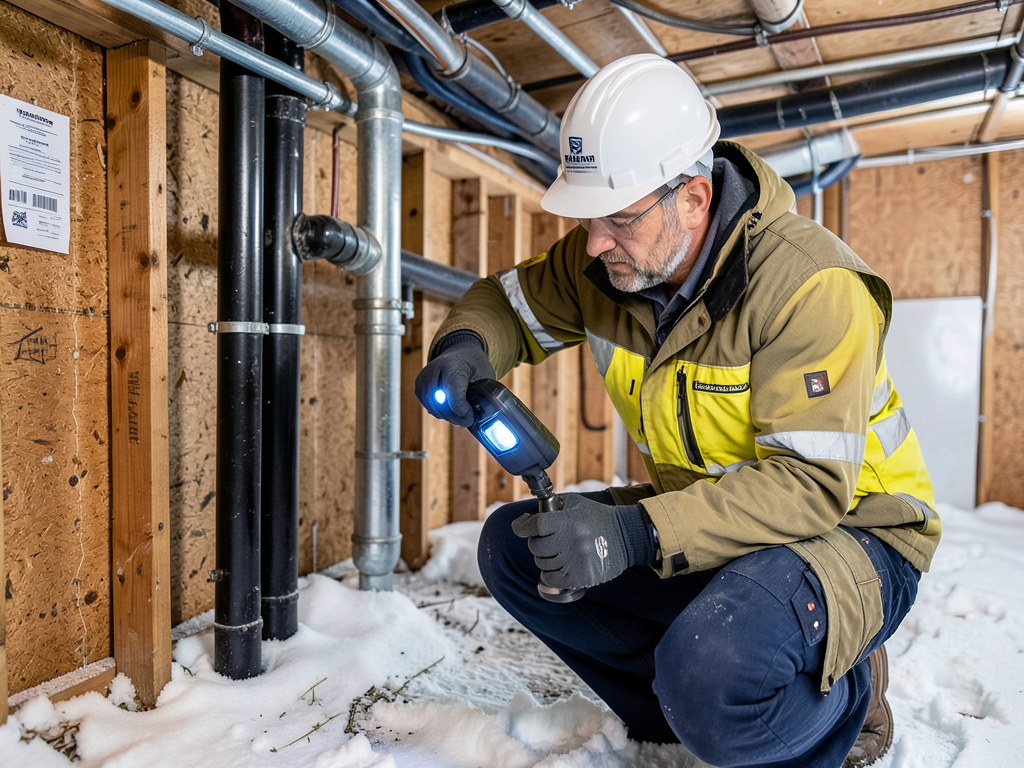
Unusually cold spots on walls or floors near plumbing lines suggest heat loss that could lead to freezing. Using an infrared thermometer to check pipe temperatures can identify at-risk areas before problems develop.
Strange odors from drains can indicate freezing in sewer vent pipes. When these pipes freeze, sewer gases can back up into the home, creating unpleasant smells and potential health hazards.
Acting quickly when these signs appear can prevent costly damage. A frozen pipe that’s caught early can often be thawed safely before bursting occurs.
Prevention strategies for Mt. Tabor homeowners
Effective pipe protection requires a comprehensive approach tailored to Mt. Tabor’s specific challenges. Start by identifying the most vulnerable pipes: those in exterior walls, unheated crawl spaces, and areas exposed to cold drafts.
Insulation provides the first line of defense. Foam pipe insulation sleeves cost $2-5 per linear foot and can reduce heat loss by 80%. Focus on pipes in crawl spaces, attics, and exterior walls first.
Heat tape offers additional protection for extremely vulnerable pipes. This electrically heated cable maintains pipe temperatures above freezing. Installation costs range from $3-8 per linear foot, plus electrical hookup.
Sealing air leaks prevents cold drafts from reaching pipes. Use caulk or expanding foam to seal gaps around pipe penetrations, foundation vents, and other openings where cold air can enter.
Maintaining consistent indoor temperatures helps protect interior plumbing. Keep thermostats at 55°F or higher, even when away from home. This prevents temperature drops that could affect pipes in exterior walls.
Opening cabinet doors under sinks allows warm air to circulate around pipes. This simple step can prevent freezing in kitchens and bathrooms with exterior walls.
Professional winterization services cost $200-500 but provide comprehensive protection. These services include pipe insulation, heat tape installation, and identification of at-risk areas specific to your home’s construction. Professional mold removal and remediation for Beaverton homeowners.
Investing in prevention costs far less than emergency repairs. A single burst pipe can cause thousands of dollars in damage, making prevention a smart financial decision. EPA guidelines.
Emergency response when pipes freeze
Quick action when pipes freeze can prevent bursting and minimize damage. The first step is shutting off the main water supply. Most Mt. Tabor homes have the main shut-off valve in the basement or near the water meter at the street.
Locating your shut-off valve before an emergency occurs saves precious time. The valve typically requires a quarter-turn to close and should move smoothly when operating correctly.
Safe thawing methods prevent pipe damage. Use a hair dryer, heat lamp, or portable space heater to gradually warm frozen sections. Never use open flames, which can damage pipes or create fire hazards.
Start thawing at the faucet end and work toward the frozen section. This allows melting water to escape and reduces pressure buildup that could cause bursting.
Check for leaks after thawing completes. Even if pipes don’t burst during freezing, the expansion can cause hairline cracks that leak when water pressure returns.
Document damage thoroughly for insurance purposes. Take photos of frozen pipes, water damage, and any repairs needed. This documentation supports insurance claims and helps identify recurring problems. Document Drying & Restoration.
Professional restoration services become necessary when pipes burst or water damage occurs. Emergency response teams can extract water, dry affected areas, and prevent secondary damage like mold growth.
Acting within the first 24-48 hours after a burst prevents most secondary damage. Quick response limits structural damage and reduces restoration costs significantly.
When to call a professional
Certain situations require professional intervention to prevent extensive damage. Multiple frozen pipes throughout the home indicate a systemic problem that DIY methods can’t address effectively.
Pipes located in walls or ceilings present significant challenges for DIY thawing. These hidden pipes require specialized equipment and techniques to access and thaw safely.
Suspected pipe bursts behind walls need professional assessment. Water can travel along structural members, causing damage far from the actual burst location.
Gas line proximity creates serious safety hazards. Some homes have gas lines near plumbing in exterior walls. Professional technicians can identify and avoid these hazards during repairs.
Commercial properties have additional considerations. Business interruption costs and liability concerns make professional response essential for commercial plumbing emergencies.
Insurance requirements may mandate professional restoration. Many policies require certified technicians to handle water damage to maintain coverage validity.
Professional services provide documentation for insurance claims. This documentation includes damage assessments, repair estimates, and proof of proper restoration procedures.
Cost considerations favor professional help for extensive damage. While DIY attempts might seem cheaper initially, mistakes can lead to much higher repair costs later.
Creating a winter emergency kit
Preparation extends beyond pipe protection to include emergency supplies for winter weather events. A well-stocked kit helps manage frozen pipe situations and other cold-weather emergencies.
Essential supplies include pipe insulation materials, heat tape, and emergency repair clamps. These items allow quick response when freezing threatens vulnerable pipes.
Water storage becomes critical if pipes freeze completely. Keep several gallons of bottled water available for drinking, cooking, and basic sanitation during outages.
Portable heaters provide emergency warmth for vulnerable areas. Battery-powered or generator-operated space heaters can maintain temperatures in crawl spaces or other unheated areas.
Flashlights and batteries ensure visibility during power outages. LED headlamps free both hands for emergency repairs while providing adequate lighting.
First aid supplies address injuries that might occur during emergency repairs. Include basic medical supplies and any necessary medications.
Emergency contact information should be readily available. Keep numbers for plumbers, restoration services, and utility companies in an easily accessible location.
Documentation of your home’s plumbing layout helps emergency responders work more efficiently. Create a simple diagram showing main shut-off valves, water heater location, and other key plumbing features.
Regular kit maintenance ensures supplies remain functional when needed. Check batteries, test equipment, and replace expired items annually.
Insurance considerations for frozen pipe damage
Understanding insurance coverage helps manage the financial impact of frozen pipe emergencies. Most standard homeowners policies cover sudden and accidental water damage from burst pipes.
Coverage typically includes water extraction, structural repairs, and damaged personal property. However, damage from gradual leaks or lack of maintenance often falls outside standard coverage.
Documentation requirements affect claim success. Insurance companies require proof of sudden damage rather than gradual deterioration. Photos, repair estimates, and professional assessments support successful claims.
Prevention efforts can impact coverage. Some insurers offer premium discounts for homes with professional winterization or upgraded plumbing systems.
Additional living expenses coverage helps when damage makes homes uninhabitable. This coverage pays for temporary housing and additional living costs during repairs.
Business interruption insurance protects commercial properties from income loss during restoration. This coverage becomes crucial for businesses that cannot operate during water damage repairs.
Flood damage exclusions often surprise homeowners. While burst pipe damage is typically covered, flooding from external sources requires separate flood insurance.
Policy review before winter ensures adequate coverage. Understanding deductibles, coverage limits, and exclusions helps prepare for potential emergencies.
Professional restoration companies often assist with insurance claims. Their experience with documentation and industry standards helps navigate the claims process more effectively.
Mt. Tabor’s unique weather patterns
Mt. Tabor experiences weather patterns that differ significantly from downtown Portland. The neighborhood’s elevation and proximity to the Columbia River Gorge create microclimates that affect freezing risks.
Wind patterns funnel through the gorge and accelerate over Mt. Tabor’s slopes. These winds can increase wind chill factors by 10-15 degrees, making effective temperatures much colder than actual readings.
Temperature inversions are common in Mt. Tabor. Cold air settles in the bowl-shaped depression around the volcano, creating pockets of significantly colder temperatures than surrounding areas.
Precipitation patterns differ due to elevation. Mt. Tabor often receives more snow than lower areas, and snow accumulation can insulate pipes while creating other drainage challenges.
Freeze-thaw cycles create additional risks. Daytime warming followed by nighttime freezing causes pipes to expand and contract repeatedly, weakening joints and connections over time.
Humidity levels affect freezing rates. Portland’s high humidity means moisture can condense on cold pipes, accelerating ice formation even when temperatures remain slightly above freezing.
Understanding these local weather patterns helps predict freezing risks more accurately. Mt. Tabor homeowners should monitor weather forecasts specifically for their elevation zone rather than relying on downtown Portland predictions.
Historical weather data shows Mt. Tabor experiences approximately 5-7 days per year with temperatures below 25°F, compared to 2-3 days in downtown Portland. This increased frequency of extreme cold increases freezing risks significantly.
Professional winterization services
Professional winterization provides comprehensive protection that DIY methods often miss. These services include detailed inspections, specialized equipment installation, and customized protection plans for each home’s specific vulnerabilities.
Initial assessments identify at-risk areas using thermal imaging cameras and moisture meters. These diagnostic tools reveal hidden vulnerabilities that visual inspections might miss.
Professional insulation installation uses materials and techniques that exceed basic DIY methods. Technicians apply insulation to code requirements and use specialized fittings for complex pipe configurations.
Heat tape installation by professionals includes proper electrical connections and thermostat controls. This ensures safe, efficient operation and prevents fire hazards associated with improper installation.
Crawl space encapsulation provides comprehensive protection for homes with exposed plumbing. This process seals foundation vents, installs vapor barriers, and creates conditioned spaces that protect pipes year-round.
Smart home integration allows remote monitoring of vulnerable areas. Professional systems can alert homeowners to temperature drops or moisture detection before problems develop.
Maintenance agreements ensure protection remains effective over time. Annual inspections identify new vulnerabilities from home modifications, settling, or changing weather patterns.
Emergency response services provide 24/7 availability during winter storms. Professional teams can respond within hours to address frozen pipes before bursting occurs.
Cost-benefit analysis shows professional winterization often pays for itself through prevented damage. A single burst pipe can cause $5,000-15,000 in damage, while professional winterization typically costs $500-2,000.
Community resources and support
Mt. Tabor’s strong community networks provide valuable resources during winter emergencies. Neighborhood associations and community groups often share information about weather risks and available assistance.
Local hardware stores stock emergency supplies and provide expert advice specific to Mt. Tabor’s conditions. Staff members often know which products work best for the neighborhood’s unique challenges.
Community workshops teach winter preparation skills. These sessions cover pipe protection, emergency response, and resource sharing among neighbors.
Senior and disabled residents may qualify for assistance programs. Local agencies provide help with winter preparations for those unable to perform the work themselves.
Mutual aid networks activate during severe weather events. Neighbors check on vulnerable residents and share resources like generators or water during emergencies.
Social media groups facilitate rapid information sharing. These platforms help spread warnings about freezing risks and coordinate community response efforts.
Local contractors often provide discounted services for community members. Building relationships with trusted professionals before emergencies occur ensures priority response when needed.
Community emergency response teams train residents in basic disaster response. This training includes water damage mitigation and temporary plumbing repairs.
Information sharing prevents widespread problems. When one homeowner discovers an effective prevention method, sharing that knowledge helps protect the entire community.
Long-term solutions for pipe protection
Beyond seasonal preparations, permanent solutions provide year-round protection against freezing risks. These upgrades require investment but offer lasting peace of mind and potential insurance benefits.
Plumbing system upgrades replace vulnerable pipes with modern materials. PEX piping resists freezing better than copper and can expand slightly without bursting when ice forms.
Repiping exterior walls eliminates the most vulnerable pipe locations. This process involves rerouting plumbing through interior walls or ceilings where temperatures remain more stable.
Crawl space conditioning transforms problematic areas into protected spaces. This upgrade includes insulation, vapor barriers, and sometimes heating systems to maintain safe temperatures year-round.
Smart home technology provides continuous monitoring. Temperature sensors in vulnerable areas can alert homeowners to dangerous drops before freezing occurs.
Energy efficiency upgrades often improve pipe protection simultaneously. Better insulation, upgraded windows, and sealed building envelopes reduce cold air infiltration that threatens pipes.
Landscape modifications can protect exterior plumbing. Strategic planting, windbreaks, and proper grading reduce exposure to cold winds and improve drainage around foundations.
Insurance premium reductions may offset upgrade costs. Some insurers offer discounts for homes with upgraded plumbing systems or professional winterization installations.
Property value increases often accompany plumbing upgrades. Modern, reliable systems appeal to buyers and can increase resale values significantly. Finding a reliable team for basement flood cleanup in Lake Oswego.
Professional assessments identify the most cost-effective improvements. Experts can prioritize upgrades based on specific home vulnerabilities and budget constraints.
Environmental considerations
Environmental factors influence both pipe freezing risks and protection methods. Understanding these connections helps homeowners make environmentally responsible choices while protecting their property.
Climate change affects freezing patterns in Portland. While overall temperatures trend warmer, extreme weather events including severe cold snaps may become more frequent and intense.
Water conservation becomes critical during winter emergencies. Having stored water available reduces the need to run taps continuously to prevent freezing, conserving this valuable resource.
Energy-efficient protection methods reduce environmental impact. LED heat tape, solar-powered monitoring systems, and improved insulation all provide protection while minimizing energy consumption.
Material choices affect both performance and environmental impact. PEX piping requires less energy to produce than copper and has a lower carbon footprint over its lifecycle.
Native landscaping can provide wind protection while supporting local ecosystems. Strategic planting of native species creates natural windbreaks that protect homes without requiring excessive water or maintenance.
Rainwater harvesting systems provide emergency water supplies while reducing stormwater runoff. These systems can store water for emergencies while managing drainage around foundations.
Green building practices often incorporate freeze protection. Many sustainable building techniques, like advanced insulation and smart home systems, also provide excellent pipe protection.
Community environmental initiatives sometimes include weatherization assistance. These programs help vulnerable residents protect their homes while reducing overall energy consumption.
Understanding the connection between environmental health and property protection helps homeowners make choices that benefit both their property and the broader ecosystem.
Mt. Tabor’s historic preservation guidelines
Homeowners in Mt. Tabor must balance pipe protection with historic preservation requirements. The neighborhood’s historic district status means some modifications require approval from preservation authorities.
Exterior modifications often face stricter scrutiny. Visible changes to historic facades or significant landscape alterations may require review by the Portland Historic Landmarks Commission.
Interior modifications typically have more flexibility. Pipe protection work inside walls or crawl spaces usually doesn’t require historic review, though some invasive procedures might need documentation.
Material choices matter for historic compatibility. Modern insulation products must sometimes be concealed or selected to match historic appearance when visible in certain contexts.
Professional contractors familiar with historic preservation can navigate requirements effectively. These specialists understand which protection methods comply with preservation guidelines.
Documentation helps with approval processes. Detailed plans showing how protection methods preserve historic character support applications for necessary permits.
Alternative methods sometimes satisfy both protection and preservation needs. For example, interior storm windows can protect against cold while maintaining historic exterior appearances.
Community education helps balance competing interests. Understanding both historic preservation values and modern protection needs helps homeowners make informed decisions.
Financial assistance may be available for preservation-compliant upgrades. Some programs help historic property owners implement modern systems while maintaining historic character.
Collaboration between preservationists and protection specialists creates win-win solutions. These partnerships develop methods that protect both historic structures and modern plumbing systems.
Technology and smart home integration
Modern technology offers sophisticated solutions for pipe protection that go beyond traditional methods. Smart home systems can monitor conditions, automate responses, and provide early warnings of developing problems.
Temperature sensors placed in vulnerable areas provide continuous monitoring. These devices can detect dangerous drops before freezing occurs, allowing preventive action.
Smart thermostats integrate with pipe protection systems. These devices can maintain minimum temperatures in specific zones and adjust heating patterns based on weather forecasts.
Water leak detectors provide early warning of developing problems. These sensors can detect even small leaks from hairline cracks before major damage occurs.
Mobile apps allow remote monitoring and control. Homeowners can check conditions and adjust settings from anywhere, providing peace of mind during travel or work hours.
Automated shut-off valves prevent catastrophic damage. These devices can detect unusual water flow patterns and automatically shut off supply when leaks are detected.
Integration with weather services enables predictive responses. Smart systems can prepare for incoming cold fronts by adjusting temperatures or activating heat tape systems.
Voice control provides hands-free operation during emergencies. Smart speakers can control heating systems or provide status updates without requiring manual operation.
Professional monitoring services offer 24/7 oversight. These services can detect problems and coordinate emergency responses even when homeowners are unavailable.
Cost considerations favor long-term investment. While initial setup costs may seem high, prevented damage and reduced insurance premiums often provide positive returns.
Educational resources and training
Knowledge empowers homeowners to protect their properties effectively. Various educational resources help residents understand risks and implement appropriate protection strategies.
Local workshops teach practical skills. These sessions cover pipe insulation, emergency response, and basic plumbing repairs specific to Mt. Tabor’s conditions.
Online resources provide 24/7 access to information. Video tutorials, downloadable guides, and interactive tools help homeowners learn at their own pace.
Community college courses offer in-depth training. These programs cover plumbing systems, building science, and energy efficiency with hands-on learning opportunities.
Library resources provide free information access. Many libraries offer books, DVDs, and online databases covering home maintenance and emergency preparedness.
Professional associations provide technical information. Organizations like the Plumbing-Heating-Cooling Contractors Association offer consumer education materials and contractor referrals.
Government agencies publish safety guidelines. The EPA, FEMA, and local building departments provide information on winter preparedness and water damage prevention. FEMA disaster preparedness.
Insurance companies often provide educational materials. Many insurers offer prevention guides and risk assessment tools to help policyholders protect their properties.
Youth education programs build long-term community resilience. Teaching young people about home maintenance creates a more prepared future generation.
Continuing education keeps homeowners current with best practices. As technology and building science advance, ongoing learning ensures protection methods remain effective.
Economic impact of frozen pipe prevention
Investing in pipe protection generates significant economic benefits beyond preventing immediate damage. These investments create ripple effects throughout the local economy and individual household finances.. Read more about Preventing ice dams from ruining your Argay Terrace ceilings this winter.
Prevented damage saves thousands in repair costs. A single burst pipe can cost $5,000-15,000 to repair, while prevention typically costs $500-2,000, providing substantial returns on investment.
Insurance premium reductions offset prevention costs. Many insurers offer discounts for homes with upgraded plumbing systems or professional winterization, reducing annual insurance expenses.
Property values increase with modern plumbing systems. Updated, reliable plumbing appeals to buyers and can increase resale values by 2-5% of home value.
Local jobs support the prevention economy. Professional winterization services, plumbing upgrades, and smart home installations create employment opportunities in the community.
Reduced emergency service demand lowers community costs. Fewer burst pipe emergencies mean reduced strain on emergency services and lower municipal response costs.
Business continuity improves with protection investments. Commercial properties that prevent water damage avoid costly business interruptions and maintain revenue streams during winter months.
Energy efficiency improvements often accompany pipe protection. Better insulation and heating controls reduce energy consumption, lowering utility bills year-round.
Community resilience strengthens with widespread protection. When more homes implement prevention measures, the entire neighborhood becomes more resilient to severe weather events.
Long-term economic benefits compound over time. Each year of prevented damage represents savings that can be reinvested in further home improvements or other priorities.
Future trends in pipe protection
The field of pipe protection continues to evolve with new technologies and approaches emerging regularly. Understanding future trends helps homeowners prepare for coming changes in protection methods.
Advanced materials offer improved performance. New insulation products provide better R-values in thinner profiles, making installation easier in tight spaces while improving effectiveness.
Internet of Things (IoT) integration expands monitoring capabilities. Connected devices can coordinate responses across entire plumbing systems, providing comprehensive protection that adapts to changing conditions.
Artificial intelligence improves predictive capabilities. AI systems can analyze weather patterns, building characteristics, and historical data to predict freezing risks with increasing accuracy.
Renewable energy integration provides sustainable protection. Solar-powered heating systems and geothermal solutions offer environmentally friendly alternatives to traditional protection methods.
Modular protection systems allow customization. These systems let homeowners add or modify protection components as needs change or new technologies become available.
Building code updates may mandate certain protections. As understanding of freezing risks improves, codes may require specific protection measures in vulnerable areas like Mt. Tabor.
Insurance industry evolution could affect requirements. Insurers may increasingly require specific protection measures to maintain coverage, similar to current requirements for smoke detectors.
Climate change adaptation drives innovation. Changing weather patterns create new challenges that spur development of more robust and flexible protection solutions.
Community-based solutions gain popularity. Neighborhood-level protection systems and shared resources become more common as communities recognize the benefits of collective resilience.
Understanding these trends helps homeowners make forward-looking decisions. Investing in adaptable systems prepares properties for coming changes while maximizing current protection benefits.
Mt. Tabor’s community resilience
Mt. Tabor’s strong community identity contributes significantly to its resilience against winter weather challenges. This social capital provides support systems that complement physical protection measures.
Neighborhood watch programs extend to property protection. Residents often check on vulnerable neighbors during severe weather, providing early warning of developing problems.
Community information networks spread critical updates quickly. Social media groups, email lists, and neighborhood associations help residents stay informed about weather risks and available resources.
Local businesses support community resilience. Hardware stores stock emergency supplies, contractors offer priority service to neighborhood residents, and service providers understand local conditions.
Community events build relationships that support cooperation. Block parties, neighborhood meetings, and community projects create connections that facilitate mutual aid during emergencies.
Local knowledge sharing improves protection effectiveness. Residents share successful strategies and warn about ineffective approaches, helping the entire community benefit from collective experience.
Community advocacy influences local policies. Neighborhood associations work with city officials to address infrastructure issues that affect freezing risks, such as drainage problems or street tree maintenance.
Intergenerational knowledge transfer preserves effective practices. Long-time residents share historical weather patterns and proven protection methods with newer community members.
Community resource pooling maximizes effectiveness. Shared emergency equipment, coordinated professional services, and bulk purchasing of supplies reduce individual costs while improving protection.
Social support reduces isolation during emergencies. Knowing neighbors are available for help reduces anxiety and ensures vulnerable residents receive assistance when needed.
Professional assessment benefits
Professional assessments provide valuable insights that DIY evaluations often miss. These expert evaluations identify vulnerabilities and recommend targeted solutions specific to each home’s unique characteristics.
Thermal imaging reveals hidden heat loss. Professional thermographers can identify cold spots, air leaks, and insulation gaps that aren’t visible to the naked eye.
Moisture meters detect existing problems. These devices can find hidden leaks, condensation issues, and moisture accumulation that could lead to freezing problems.
Pressure testing evaluates system integrity. Professional tests can identify weak points in plumbing systems before they fail under freezing conditions.
Code compliance reviews ensure adequate protection. Professionals understand current building codes and can identify areas where protection falls short of requirements.
Energy audits often reveal plumbing vulnerabilities. These comprehensive assessments examine how building envelope issues affect plumbing systems and recommend integrated solutions.
Cost-benefit analyses help prioritize improvements. Professionals can estimate return on investment for various protection measures, helping homeowners make informed decisions.
Documentation supports insurance and resale. Professional assessments provide valuable documentation for insurance claims and property transactions.
Maintenance planning extends protection effectiveness. Professionals can create schedules for ongoing maintenance that ensure protection systems remain functional over time.
Emergency planning prepares for worst-case scenarios. Professional assessments include developing response plans for various emergency situations, reducing panic and improving outcomes.
Investing in professional assessment often prevents costly mistakes. Expert guidance helps homeowners avoid ineffective solutions and focus resources on high-impact improvements.
Seasonal preparation timeline
Effective pipe protection requires timely preparation throughout the year. Following a seasonal timeline ensures protection measures are in place before freezing weather arrives.
Spring inspections identify winter damage. Checking for leaks, insulation damage, and system wear allows repairs before the next freezing season.
Summer upgrades take advantage of favorable conditions. Major plumbing work, insulation installation, and system upgrades are easier to complete during warm weather.
Fall preparations focus on final touches. Testing heat tape systems, sealing air leaks, and stocking emergency supplies should be completed before first frost.
Winter monitoring requires vigilance. Regular checks during cold snaps ensure protection systems function correctly and identify developing problems early.
Year-round maintenance preserves protection effectiveness. Regular inspections, cleaning, and testing keep systems ready for when freezing weather returns.
Weather monitoring guides preparation timing. Paying attention to long-range forecasts helps schedule protection activities at optimal times.
Community coordination improves collective preparedness. Neighborhood groups can coordinate preparation activities, share resources, and provide mutual support throughout the year.
Professional service scheduling requires advance planning. Many contractors are busiest in fall, so scheduling assessments and major work during off-peak seasons ensures better availability.
Documentation throughout the year tracks effectiveness. Keeping records of inspections, repairs, and weather events helps refine protection strategies over time.
Following a structured timeline ensures comprehensive protection. This systematic approach prevents last-minute rushes and ensures all necessary measures are completed before freezing weather arrives.
Mt. Tabor’s architectural diversity
Mt. Tabor’s architectural variety creates different pipe protection challenges across the neighborhood. Understanding these variations helps homeowners implement appropriate protection strategies for their specific home type.
Craftsman bungalows often have crawl spaces with exposed plumbing. These homes typically require extensive insulation and heat tape installation to protect vulnerable pipes.
Victorian homes may have complex plumbing configurations. Multiple additions and renovations can create unusual pipe routing that requires customized protection strategies.
Mid-century modern homes often feature slab-on-grade construction. While this eliminates crawl space issues, it can create challenges for protecting pipes in exterior walls or under concrete slabs.
Contemporary homes may have advanced building systems. Smart home integration and modern insulation can provide superior protection but require specialized knowledge for maintenance.
Multi-family buildings present unique challenges. Shared plumbing systems and varied unit configurations require coordinated protection efforts among multiple property owners.
Historic homes may have original plumbing materials. Galvanized steel or early copper pipes require different protection approaches than modern PEX or PVC systems.
Recent renovations might have mixed systems. Homes with partial upgrades may have vulnerable connections between old and new plumbing that require special attention.
Understanding your home’s specific characteristics helps target protection efforts effectively. A strategy that works for one house might be inadequate or excessive for another.
Professional assessments account for architectural variations. Experienced contractors understand how different home styles affect pipe protection needs and can recommend appropriate solutions.
Community knowledge sharing helps address architectural diversity. Neighbors with similar home types can share successful strategies and warn about potential pitfalls.
Water quality considerations
Water quality affects pipe protection in ways many homeowners don’t consider. Portland’s water characteristics influence both freezing risks and protection method effectiveness.
Portland’s soft water contains low mineral content. This reduces scale buildup in pipes but can make them more susceptible to corrosion in certain conditions.
Chlorine levels affect pipe materials differently. Portland’s water treatment includes chlorine that can impact certain pipe materials over time, potentially affecting their freeze resistance.
Water temperature from the supply affects freezing times. Portland’s groundwater stays relatively cool year-round, meaning water entering homes is already closer to freezing temperature than in some regions.
pH levels influence pipe corrosion rates. Portland’s slightly acidic water can accelerate corrosion in some pipe materials, potentially creating weak points vulnerable to freezing damage.
Seasonal water quality changes occur throughout the year. Treatment plant adjustments and source water variations can affect how pipes respond to cold temperatures.
Water pressure variations impact system stress. Portland’s water system experiences pressure changes that can stress plumbing connections, potentially creating vulnerabilities that freezing exacerbates.
Understanding local water characteristics helps select appropriate protection methods. Some insulation materials or heat tape systems work better with specific water qualities and temperatures.
Professional plumbers familiar with Portland’s water can provide targeted advice. Their experience with local conditions helps them recommend protection strategies that account for water quality factors.
Water testing can identify specific concerns. Home water testing kits or professional analysis can reveal characteristics that might affect pipe protection effectiveness.
Economic development and infrastructure
Mt. Tabor’s development patterns and infrastructure affect pipe protection needs in ways that reflect the neighborhood’s history and ongoing evolution.
Historic infrastructure limitations create challenges. Older water mains and service lines may have reduced capacity or reliability compared to modern systems, affecting how homes respond to extreme weather.
Recent infrastructure improvements provide benefits. Upgrades to water distribution systems, street improvements, and utility upgrades can reduce some freezing risks while creating new considerations.
Development pressure affects property characteristics. As Mt. Tabor evolves, new construction and renovations can change neighborhood patterns in ways that influence freezing risks.
Infrastructure maintenance schedules impact protection needs. Planned utility work or street improvements may require temporary protection adjustments or create opportunities for system upgrades.
Community development initiatives sometimes include weatherization assistance. Local programs may help vulnerable residents implement protection measures they couldn’t afford independently.
Economic factors influence protection choices. Property values, household incomes, and local economic conditions affect which protection methods are feasible for different residents.
Business district characteristics create different needs. Commercial properties in Mt. Tabor require protection strategies that account for business operations, liability concerns, and customer safety.
Infrastructure planning considers climate resilience. Portland’s planning efforts increasingly account for extreme weather events, potentially leading to improvements that reduce neighborhood-wide freezing risks.
Understanding these broader context factors helps homeowners make informed decisions. Protection strategies that work well in one development phase might need adjustment as the neighborhood evolves.
Professional assessments consider infrastructure context. Experienced contractors understand how local development patterns affect pipe protection needs and can recommend appropriate strategies.
Conclusion: Protecting Mt. Tabor homes from frozen pipes
Mt. Tabor’s unique combination of elevation, historic architecture, and Portland’s weather patterns creates specific challenges for pipe protection. Understanding these local factors is the first step toward effective prevention.
Successful protection requires a comprehensive approach that addresses the neighborhood’s specific vulnerabilities. From insulation and heat tape to smart monitoring systems and professional assessments, multiple strategies work together to provide reliable protection.
The investment in prevention pays significant dividends through avoided damage, reduced insurance costs, and increased property values. More importantly, it provides peace of mind during Portland’s coldest months.
Community cooperation enhances individual protection efforts. Sharing knowledge, resources, and support helps ensure that all Mt. Tabor residents can implement effective protection strategies regardless of their individual circumstances.
As climate patterns evolve and technology advances, pipe protection methods will continue to improve. Staying informed about new developments and maintaining existing protection systems ensures continued effectiveness.
Mt. Tabor’s strong community identity and commitment to preservation create a foundation for effective adaptation to modern challenges. By combining respect for historic character with contemporary protection methods, homeowners can preserve both their properties’ heritage and their functionality.
Don’t wait for the next cold snap to discover your pipes are vulnerable. Take action now to implement appropriate protection measures for your specific home and situation.
Call (503) 882-7766 today to schedule your professional pipe protection assessment. Our experienced technicians understand Mt. Tabor’s unique challenges and can recommend targeted solutions that protect your home while respecting its historic character.
Pick up the phone and call (503) 882-7766 before the next storm hits. Don’t let frozen pipes damage your Mt. Tabor home this winter.
Frequently Asked Questions
How cold does it need to get for pipes to freeze in Mt. Tabor?
Pipes typically begin freezing when temperatures drop below 32°F, but in Mt. Tabor’s exposed locations, freezing can start at 35-40°F when combined with wind chill and poor insulation. The neighborhood’s elevation means it often experiences these temperatures 2-3 degrees colder than downtown Portland.
What’s the most cost-effective way to protect pipes in an older Mt. Tabor home?
Foam pipe insulation sleeves provide the best cost-to-benefit ratio, costing $2-5 per linear foot while reducing heat loss by 80%. Focus on pipes in crawl spaces, attics, and exterior walls first. This DIY-friendly option can prevent most freezing issues when properly installed.
How quickly should I respond if I discover frozen pipes?
Immediate action is crucial. Shut off the main water supply within the first 30 minutes, then begin safe thawing procedures. Quick response can prevent bursting and minimize damage. Professional help should be called if you cannot locate the frozen section or if multiple pipes are affected.
Does homeowner’s insurance cover frozen pipe damage in Mt. Tabor?
Most standard policies cover sudden and accidental water damage from burst pipes, including water extraction, structural repairs, and damaged personal property. However, damage from gradual leaks or lack of maintenance often falls outside coverage. Document damage thoroughly and contact your insurance company immediately after discovering damage.
Are newer homes in Mt. Tabor less susceptible to frozen pipes?
Generally yes, newer homes have better insulation, modern PEX piping that resists freezing, and updated construction methods. However, they still face risks if pipes run through exterior walls or unheated spaces. Even newer homes benefit from additional protection during extreme cold snaps.
You may also find this helpful. Dealing with a radiator leak in your Eastmoreland home before it ruins the subfloor.
{
“@context”: “https://schema.org”,
“@type”: “BlogPosting”,
“headline”: “Why Mt. Tabor homes are prone to frozen pipes during Portland cold snaps”,
“description”: “Mt. Tabor’s elevation and older homes create unique frozen pipe risks during Portland’s cold snaps. Learn prevention tips and emergency response from local experts.”,
“wordCount”: 6217,
“datePublished”: “2026-03-28T12:33:00.000Z”,
“dateModified”: “2026-03-28T12:33:00.000Z”,
“inLanguage”: “en-US”,
“mainEntityOfPage”: {
“@type”: “WebPage”,
“@id”: “https://evergreenwaterdamagerestorationportland.com”
},
“publisher”: {
“@type”: “LocalBusiness”,
“name”: “Evergreen Water Damage Restoration Portland”,
“url”: “https://evergreenwaterdamagerestorationportland.com”
},
“author”: {
“@type”: “Organization”,
“name”: “Evergreen Water Damage Restoration Portland”,
“url”: “https://evergreenwaterdamagerestorationportland.com”
},
“image”: {
“@type”: “ImageObject”,
“url”: “https://evergreenwaterdamagerestorationportland.com/wp-content/uploads/2026/03/why-mt-tabor-homes-are-prone-to-frozen-pipes-durin-1.png”
}
}
{
“@context”: “https://schema.org”,
“@type”: “LocalBusiness”,
“name”: “Evergreen Water Damage Restoration Portland”,
“url”: “https://evergreenwaterdamagerestorationportland.com”,
“address”: {
“@type”: “PostalAddress”,
“addressLocality”: “Portland”
},
“areaServed”: {
“@type”: “City”,
“name”: “Portland”
}
}
{
“@context”: “https://schema.org”,
“@type”: “FAQPage”,
“mainEntity”: [
{
“@type”: “Question”,
“name”: “How cold does it need to get for pipes to freeze in Mt. Tabor?”,
“acceptedAnswer”: {
“@type”: “Answer”,
“text”: “Pipes typically begin freezing when temperatures drop below 32°F, but in Mt. Tabor’s exposed locations, freezing can start at 35-40°F when combined with wind chill and poor insulation. The neighborhood’s elevation means it often experiences these temperatures 2-3 degrees colder than downtown Portland.”
}
},
{
“@type”: “Question”,
“name”: “What’s the most cost-effective way to protect pipes in an older Mt. Tabor home?”,
“acceptedAnswer”: {
“@type”: “Answer”,
“text”: “Foam pipe insulation sleeves provide the best cost-to-benefit ratio, costing $2-5 per linear foot while reducing heat loss by 80%. Focus on pipes in crawl spaces, attics, and exterior walls first. This DIY-friendly option can prevent most freezing issues when properly installed.”
}
},
{
“@type”: “Question”,
“name”: “How quickly should I respond if I discover frozen pipes?”,
“acceptedAnswer”: {
“@type”: “Answer”,
“text”: “Immediate action is crucial. Shut off the main water supply within the first 30 minutes, then begin safe thawing procedures. Quick response can prevent bursting and minimize damage. Professional help should be called if you cannot locate the frozen section or if multiple pipes are affected.”
}
},
{
“@type”: “Question”,
“name”: “Does homeowner’s insurance cover frozen pipe damage in Mt. Tabor?”,
“acceptedAnswer”: {
“@type”: “Answer”,
“text”: “Most standard policies cover sudden and accidental water damage from burst pipes, including water extraction, structural repairs, and damaged personal property. However, damage from gradual leaks or lack of maintenance often falls outside coverage. Document damage thoroughly and contact your insurance company immediately after discovering damage.”
}
},
{
“@type”: “Question”,
“name”: “Are newer homes in Mt. Tabor less susceptible to frozen pipes?”,
“acceptedAnswer”: {
“@type”: “Answer”,
“text”: “Generally yes, newer homes have better insulation, modern PEX piping that resists freezing, and updated construction methods. However, they still face risks if pipes run through exterior walls or unheated spaces. Even newer homes benefit from additional protection during extreme cold snaps.”
}
}
]
}
{
“@context”: “https://schema.org”,
“@type”: “BreadcrumbList”,
“itemListElement”: [
{
“@type”: “ListItem”,
“position”: 1,
“name”: “Home”,
“item”: “https://evergreenwaterdamagerestorationportland.com”
},
{
“@type”: “ListItem”,
“position”: 2,
“name”: “Blog”,
“item”: “https://evergreenwaterdamagerestorationportland.com/blog”
},
{
“@type”: “ListItem”,
“position”: 3,
“name”: “Why Mt. Tabor homes are prone to frozen pipes during Portland cold snaps”
}
]
}
{
“@context”: “https://schema.org”,
“@type”: “Service”,
“serviceType”: “Water Damage Restoration”,
“provider”: {
“@type”: “LocalBusiness”,
“name”: “Evergreen Water Damage Restoration Portland”,
“url”: “https://evergreenwaterdamagerestorationportland.com”
},
“areaServed”: {
“@type”: “City”,
“name”: “Portland”
},
“description”: “Mt. Tabor’s elevation and older homes create unique frozen pipe risks during Portland’s cold snaps. Learn prevention tips and emergency response from local experts.”
}