
Keeping your Lloyd District commercial space dry during the rainy season
Portland’s rainy season brings unique challenges to Lloyd District commercial properties. Heavy rainfall combined with the area’s older infrastructure and flat-roofed buildings creates a perfect storm for water damage. Business owners need proactive strategies to protect their assets, maintain operations, and avoid costly repairs. Portland’s Bureau of Development Services.
The Lloyd District sits in a low-lying area near the Willamette River where drainage systems can become overwhelmed during atmospheric river events. These weather patterns deliver intense rainfall over short periods, testing the limits of even well-maintained commercial buildings. Building Owners and Managers Association (BOMA).
Understanding Lloyd District’s water damage risks
Commercial buildings in the Lloyd District face several environmental challenges that increase water damage risk. The area’s history as a rail yard and industrial zone means many structures have aging foundations and drainage systems that weren’t designed for today’s rainfall intensity. Water damage restoration for Hillsboro offices and commercial spaces.
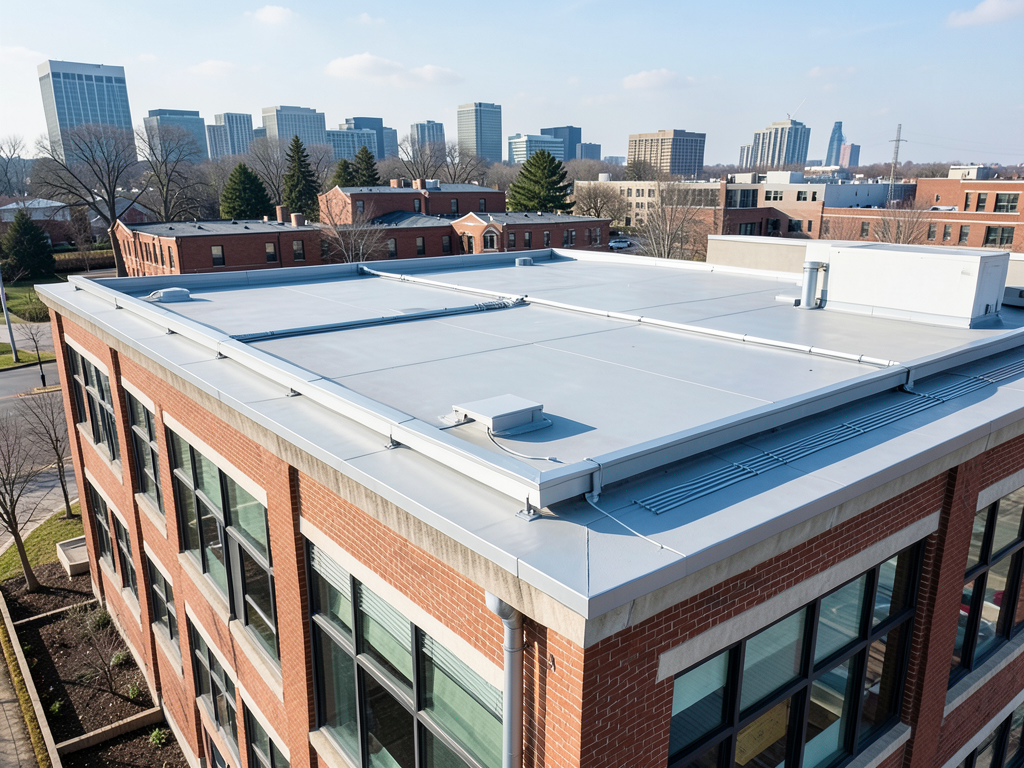
Flat commercial roofs common in the area can develop ponding water when drainage systems fail. This standing water adds weight to the roof structure and creates ideal conditions for leaks. The Lloyd Center area experiences particular challenges due to the concentration of large commercial buildings with extensive roof areas. Emergency water damage restoration in Portland that arrives in under an hour.
Older buildings often have clay sewer lines that can crack or collapse under pressure. When heavy rains saturate the ground, these compromised pipes are more likely to fail, leading to sewage backups that pose serious health risks and business interruption. Safe and fast sewage backup cleanup services in Gresham.
Common water damage entry points in commercial buildings
Commercial properties have multiple potential water entry points that require regular inspection. Roof penetrations around HVAC units, vents, and skylights are frequent failure points. The flashing around these openings can deteriorate over time, especially in Portland’s freeze-thaw cycles.. Read more about The best ways to test your sump pump before the Portland rainy season hits.
Window and door seals in older buildings often fail to keep out wind-driven rain. The Lloyd District’s older office buildings may have single-pane windows or degraded caulking that allows moisture infiltration during storms.
Foundation cracks, even hairline ones, can allow groundwater to seep into basements and crawl spaces. Portland’s clay soils expand when wet, putting pressure on foundation walls and creating new cracks over time.
Plumbing systems in commercial buildings face unique stresses. High water pressure, temperature fluctuations, and the age of pipes all contribute to failure risk. A burst pipe in a multi-story building can cause extensive damage to multiple floors before detection.
The 10-point commercial water damage prevention checklist
Regular maintenance prevents most commercial water damage incidents. This checklist provides a framework for protecting your Lloyd District property throughout the rainy season.
- Roof inspection and maintenance
Schedule professional roof inspections twice yearly, focusing on drainage systems, flashing integrity, and membrane condition. Clean all roof drains and scuppers to prevent clogging from autumn leaves and debris. Professional mold removal and remediation for Beaverton homeowners.
- Exterior envelope assessment
Inspect all exterior walls, windows, and doors for signs of water intrusion. Check caulking and weatherstripping for deterioration. Pay special attention to north-facing walls that receive less sunlight and stay damp longer.
- Foundation and basement evaluation
Examine foundation walls for cracks or signs of water staining. Test sump pumps quarterly and ensure backup power systems function properly. Check basement floor drains for proper operation.
- HVAC system maintenance
Clean and inspect condensate drain lines monthly during cooling season. Ensure proper slope for drainage and check for algae buildup that can cause blockages. Replace air filters regularly to prevent moisture issues.
- Plumbing system inspection
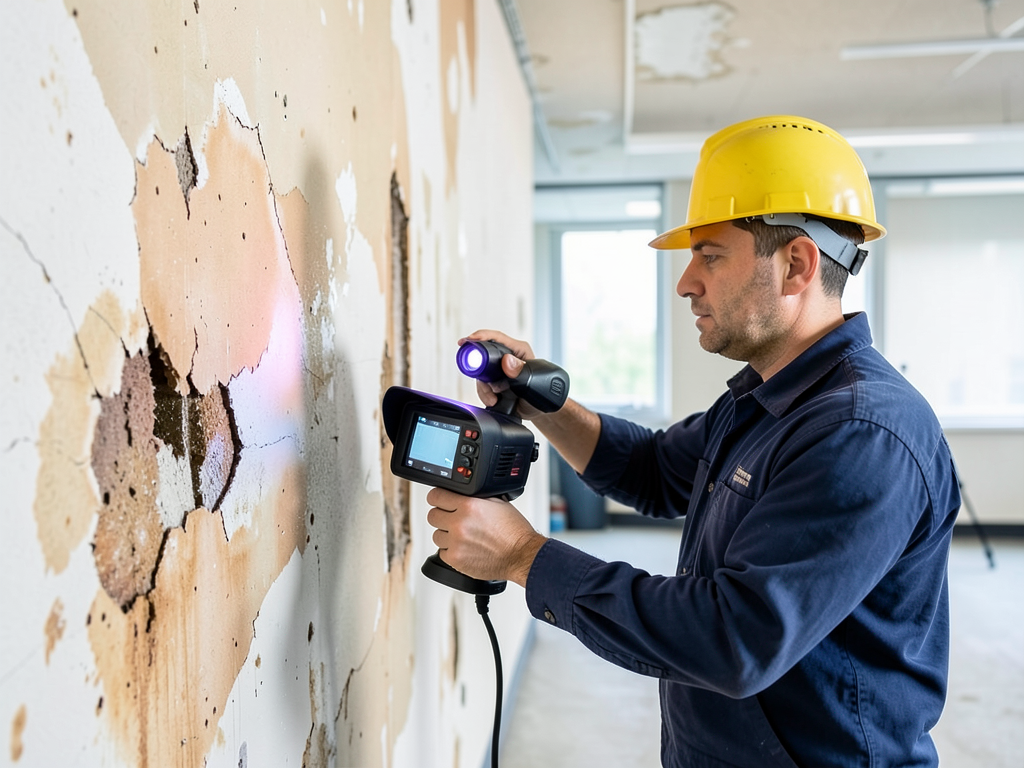
Check all visible pipes for corrosion, leaks, or signs of wear. Test water pressure and inspect shut-off valves. Consider thermal imaging inspections to detect hidden moisture behind walls.
- Drainage system assessment
Clean gutters and downspouts before rainy season begins. Ensure downspouts direct water at least five feet from the foundation. Grade soil away from the building to prevent water pooling.
- Emergency response equipment testing
Verify operation of water sensors, automatic shut-off valves, and backup sump pumps. Test emergency lighting and ensure all staff know the location of main water shut-off valves.
- Moisture barrier evaluation
Inspect vapor barriers in crawl spaces and basements for tears or degradation. Check for proper installation and ensure adequate ventilation to prevent condensation buildup.
- Landscaping and exterior drainage review
Remove vegetation that holds moisture against building walls. Ensure proper grading around the entire perimeter. Consider French drains for areas with persistent drainage issues.
- Insurance and documentation update
Review commercial property insurance coverage annually. Document building conditions with photos and maintain records of all maintenance activities. Create a detailed inventory of valuable equipment and assets.
Smart leak detection technology for commercial properties
Modern commercial buildings benefit from advanced leak detection systems that provide 24/7 monitoring. These IoT-enabled devices can detect moisture at the earliest stages, often before visible damage occurs.
Wireless water sensors placed in high-risk areas like mechanical rooms, under sinks, and near water heaters can send instant alerts to facility managers via smartphone apps. Some systems integrate with building management systems to automatically shut off water supply when leaks are detected.
Acoustic leak detection technology uses sound analysis to identify pipe leaks within walls or underground. This technology can pinpoint the exact location of a leak without destructive testing, saving time and money during repairs.
Thermal imaging cameras can detect temperature variations that indicate moisture presence. Regular thermal scans of walls, ceilings, and floors can identify hidden water damage before it becomes visible or causes structural issues.
Flow monitoring systems track water usage patterns and can detect abnormal consumption that might indicate a leak. These systems can differentiate between normal usage variations and potential problems, reducing false alarms.
Winterization strategies for Portland’s freeze-thaw cycles
Portland’s winter weather creates unique challenges for commercial properties. While not as severe as colder climates, the freeze-thaw cycles common in the Lloyd District can cause significant damage to unprepared buildings.
Exterior pipes exposed to freezing temperatures need insulation or heat tracing to prevent bursting. Focus on sprinkler systems, outdoor hose bibs, and any pipes in unheated spaces like attics or crawl spaces.
Roof drains and gutters must be clear before freezing temperatures arrive. Ice dams can form when melting snow refreezes at roof edges, forcing water under shingles and into the building interior.
Heating systems should be serviced before cold weather hits. Ensure proper operation of boilers, furnaces, and heat pumps. Check for carbon monoxide leaks and verify that all safety systems function correctly.
Consider installing temperature monitoring systems that alert facility managers when indoor temperatures drop below safe levels. This is especially important for buildings with sensitive equipment or materials that require climate control.
Creating a commercial emergency response plan
Even with the best prevention strategies, water damage can still occur. A comprehensive emergency response plan ensures your business can recover quickly with minimal disruption.
Designate specific staff members as emergency response team leaders. Train them on water shut-off procedures, evacuation routes, and communication protocols. Ensure multiple people know how to operate critical systems.
Maintain a list of emergency contacts including your water damage restoration company, insurance agent, and key vendors. Post this information prominently and ensure it’s accessible during power outages.
Document the location of all water shut-off valves, electrical panels, and gas shut-off points. Create simple, illustrated guides that anyone can follow during an emergency.
Establish relationships with local restoration companies before you need them. Many offer 24/7 emergency response and can arrive quickly to minimize damage. Having a pre-established agreement can save valuable time during a crisis.
Practice emergency drills at least annually. Simulate different scenarios like pipe bursts, roof leaks, and sewage backups. Review and update your plan based on drill results and any actual incidents.
Portland building codes and water damage compliance
Commercial properties in Portland must comply with specific building codes related to water damage prevention and mitigation. The Oregon Structural Specialty Code requires proper waterproofing for below-grade spaces and specific drainage requirements for flat roofs.
Portland’s Green Building Policy encourages the use of water-efficient fixtures and sustainable drainage solutions. Properties undergoing major renovations may need to upgrade to meet current standards for water conservation and stormwater management.
The City of Portland requires commercial properties to maintain functional stormwater management systems. This includes proper grading, functional gutters and downspouts, and appropriate drainage infrastructure to prevent water from pooling around foundations.
Portland Fire & Rescue has specific requirements for sprinkler system maintenance and testing. Commercial buildings must have their fire suppression systems inspected regularly to ensure they function properly during emergencies.
Understanding these requirements helps property owners avoid code violations and ensures their buildings meet minimum standards for water damage prevention. Working with licensed contractors familiar with local codes can prevent costly mistakes during renovations or repairs.
Insurance considerations for commercial water damage
Commercial property insurance policies vary widely in their coverage for water damage. Understanding your policy’s specific terms can prevent unpleasant surprises when filing claims.
Most standard policies cover sudden and accidental water damage from burst pipes but may exclude damage from flooding or sewer backups. Separate flood insurance through the National Flood Insurance Program may be necessary for properties in flood-prone areas.
Business interruption insurance can provide crucial financial support if water damage forces you to close temporarily. This coverage helps pay for lost income and ongoing expenses while repairs are completed.
Document your building’s condition regularly with photos and maintenance records. This documentation can prove invaluable when filing insurance claims and demonstrating that you’ve maintained the property properly.
Consider adding equipment breakdown coverage to your policy. This can cover damage to expensive equipment caused by water leaks or other mechanical failures.
Work with your insurance agent to understand coverage limits, deductibles, and any exclusions that might apply to your specific property. Annual policy reviews ensure your coverage keeps pace with property improvements and changing risks.
When to call a professional water damage restoration company
Recognizing when a situation requires professional help can prevent minor issues from becoming major disasters. Some water damage situations require specialized equipment and expertise that only certified restoration professionals can provide.
Category 3 water damage, which includes sewage backups and floodwater, poses serious health risks and requires professional remediation. This type of water contains harmful bacteria and pathogens that can cause illness if not handled properly.
Water that has been standing for more than 24-48 hours can support mold growth and requires professional drying and sanitization. Mold can begin growing within 24-48 hours of water exposure and can spread rapidly through a building.
Structural damage from water requires professional assessment. Water can weaken wooden structures, corrode metal components, and compromise the integrity of walls and floors. A professional can determine whether repairs are needed beyond surface drying.
Large-scale water damage affecting multiple rooms or floors requires commercial-grade equipment for proper remediation. Professional restoration companies have industrial dehumidifiers, air movers, and moisture detection equipment that can handle extensive damage efficiently.
Insurance claims for significant water damage often require professional documentation. Restoration companies can provide detailed reports, photos, and moisture readings that support your insurance claim and help ensure proper compensation.
Cost factors in commercial water damage prevention
Investing in prevention is significantly less expensive than dealing with major water damage. Understanding the cost factors helps property owners budget effectively for maintenance and upgrades.
Regular roof inspections and maintenance typically cost between $500-$2,000 annually depending on building size and complexity. This investment can prevent tens of thousands in roof repair costs and interior damage.
Smart leak detection systems range from $1,000-$10,000 for commercial installations, with ongoing monitoring fees of $50-$200 per month. These systems can pay for themselves by preventing even a single major water damage incident.
Plumbing system upgrades for older buildings might cost $5,000-$25,000 but can prevent catastrophic failures that could cost $50,000-$500,000 in damage and business interruption.
Professional HVAC maintenance contracts typically run $1,000-$5,000 annually but can prevent expensive repairs and improve energy efficiency, providing additional cost savings beyond water damage prevention.
The cost of not investing in prevention can be staggering. A single major water damage incident can cost $25,000-$250,000 in repairs, plus lost business revenue and potential liability issues. Prevention costs are minimal compared to the potential losses from major water damage events.
Local resources for Lloyd District property owners
The Lloyd District has several resources available to help property owners manage water damage risks. The Portland Bureau of Transportation provides information on local drainage systems and can assist with street-level flooding issues.
The Portland Development Commission offers resources for building improvements and may have programs that support energy efficiency and water conservation upgrades. These improvements often include water damage prevention benefits.
Local trade associations like the Building Owners and Managers Association (BOMA) provide networking opportunities and educational resources specific to commercial property management in the Portland area.
The City of Portland’s Bureau of Development Services can provide guidance on building code requirements and permit processes for water damage prevention improvements. Their staff can help navigate the regulatory requirements for various upgrades.
Several local engineering firms specialize in commercial building envelope assessments and can provide detailed reports on water intrusion risks specific to your property. These assessments can identify problems before they cause damage.
Technology trends in commercial water damage prevention
The field of water damage prevention continues to evolve with new technologies that make protection more effective and affordable. Several emerging trends are particularly relevant for Lloyd District commercial properties.
Artificial intelligence and machine learning are being integrated into building management systems to predict potential water damage risks. These systems analyze patterns in temperature, humidity, and water usage to identify anomalies that might indicate developing problems. Washing Machine Overflow Cleanup.
Advanced materials science is producing more effective waterproofing solutions. New membrane technologies, sealants, and moisture barriers offer better protection than traditional materials while being easier to install and maintain.
Remote monitoring capabilities allow facility managers to oversee multiple properties from a central location. Cloud-based platforms can aggregate data from sensors across different buildings, providing comprehensive oversight and early warning of potential issues.
Mobile apps are making it easier for maintenance staff to document inspections and track repairs. These tools can create digital records that prove due diligence in property maintenance, which can be valuable for insurance purposes.
Integration between different building systems is improving. Modern platforms can connect HVAC, plumbing, security, and monitoring systems to provide a unified approach to building management and risk prevention.
Building a culture of prevention in your organization
Effective water damage prevention requires more than just technical solutions. Building a culture of prevention throughout your organization ensures that everyone understands their role in protecting the property.
Train all employees on basic water damage prevention principles. Even office staff should know how to report leaks, turn off water supply in emergencies, and recognize signs of potential problems.
Include water damage prevention in your onboarding process for new employees. Make it clear that everyone shares responsibility for maintaining the building’s integrity.
Encourage proactive reporting of potential issues. Create a simple system for employees to report concerns without fear of blame. Many water damage incidents start as small problems that could have been addressed early.
Recognize and reward employees who identify and report potential problems. This positive reinforcement encourages others to be vigilant and proactive.
Make prevention a regular topic in staff meetings and communications. Share success stories about problems caught early and remind everyone of the importance of their role in protecting the property.
Seasonal preparation timeline for Lloyd District properties
Following a seasonal preparation timeline ensures your property is ready for Portland’s rainy season. This schedule helps property managers stay organized and complete necessary tasks before problems arise.
Late summer (August-September): Complete roof inspections and repairs, clean gutters and downspouts, test sump pumps, and service HVAC systems before cooling season ends.
Early fall (October): Inspect exterior seals and caulking, check foundation drainage, and prepare for leaf season by ensuring all drainage systems are clear.
Late fall (November): Remove autumn leaves from roof and drainage areas, check weatherstripping on doors and windows, and prepare for potential freezing temperatures.
Winter (December-February): Monitor weather forecasts, check for ice dams after snow events, and inspect for condensation issues in heated spaces.
Early spring (March-April): Inspect for winter damage, clean and repair drainage systems, and prepare for spring rains by ensuring all water management systems function properly.
Late spring (May-June): Complete any needed repairs from winter, inspect for mold growth in areas that stayed damp, and prepare for summer cooling season.
Following this timeline helps prevent seasonal issues and ensures your property is prepared for the specific challenges each season brings to the Lloyd District.
Case studies: Successful water damage prevention in Portland
Several Lloyd District properties have successfully implemented comprehensive water damage prevention programs. These case studies demonstrate the value of proactive approaches.
A 10-story office building in the Lloyd Center area installed a comprehensive leak detection system throughout its plumbing network. The system detected a small leak in a mechanical room wall cavity before any visible damage occurred. Early detection allowed for repairs during off-hours, preventing tenant disruption and saving an estimated $50,000 in potential damage.
A retail center near Northeast Multnomah Street upgraded its roof drainage system after repeated ponding water issues. The improvements included larger capacity drains and secondary overflow systems. During the following winter’s heavy rains, the enhanced system prevented the flooding that had previously damaged several stores.
A historic building on Northeast Holladay Street underwent foundation waterproofing and drainage improvements. The work included installing a French drain system and repairing foundation cracks. Since the improvements were completed, the basement has remained dry even during record rainfall years.
These examples show that investing in prevention delivers tangible benefits. The cost of prevention is typically a fraction of the potential losses from major water damage incidents.
Future-proofing your commercial property
As climate patterns change and building technologies advance, future-proofing your commercial property becomes increasingly important. Several strategies can help ensure your building remains protected against evolving water damage risks.
Consider climate resilience in all major building decisions. This includes selecting materials that perform well in changing conditions and designing systems with capacity to handle increased rainfall intensity.
Invest in scalable technology solutions that can grow with your needs. Choose monitoring systems and building management platforms that allow for easy expansion as your property portfolio grows or as new technologies become available.
Stay informed about emerging risks and prevention strategies. Subscribe to industry publications, attend trade shows, and participate in professional associations to keep your knowledge current.
Build relationships with multiple service providers. Having options for restoration, maintenance, and emergency response ensures you can get help quickly regardless of circumstances.
Document all prevention efforts and improvements. This documentation not only helps with insurance but also increases your property’s value by demonstrating proactive management and reduced risk.
Plan for regular technology upgrades. Water damage prevention technology continues to advance, and staying current with the best available solutions provides the strongest protection for your investment.
Frequently Asked Questions
How often should I have my commercial roof inspected?
Commercial roofs should be inspected professionally at least twice yearly, typically in spring and fall. Additional inspections are recommended after major storms or if you notice any signs of water intrusion. Regular inspections can identify problems before they cause significant damage.
What are the signs of hidden water damage in commercial buildings?
Signs include musty odors, peeling paint or wallpaper, discolored ceiling tiles, warped flooring, and unexpected increases in water bills. You might also notice condensation on windows, mold growth in corners, or a feeling of dampness in certain areas. Professional moisture detection equipment can identify problems before they become visible.
How much does commercial water damage prevention cost?
Prevention costs vary widely based on building size and existing conditions. Basic preventive maintenance typically costs $2,000-$10,000 annually for a medium-sized commercial building. Smart leak detection systems add $1,000-$10,000 initially plus monitoring fees. These costs are minimal compared to the potential $25,000-$250,000 cost of major water damage incidents.
Can I handle water damage prevention myself or do I need professionals?
While basic maintenance like cleaning gutters can be DIY, professional inspections and specialized work require expertise. Roof inspections, HVAC maintenance, plumbing assessments, and moisture barrier installation should be done by licensed professionals. They have the training and equipment to identify problems that untrained eyes might miss.
How quickly should I respond to a water leak in my commercial building?
Immediate response is critical. Water damage worsens rapidly, with significant structural damage possible within 24-48 hours. Shut off the water supply if possible, contain the leak, and call a professional restoration company immediately. Fast response can mean the difference between a minor repair and major reconstruction.
What insurance coverage do I need for commercial water damage?
Standard commercial property insurance typically covers sudden and accidental water damage but may exclude flooding and sewer backups. Consider adding flood insurance if your property is in a flood-prone area. Business interruption coverage is also valuable for maintaining operations during repairs. Review your policy annually with your insurance agent.
How can I tell if my building has proper drainage?
Proper drainage means water flows away from your building within 24-48 hours after rain. Check for standing water around foundations, water stains on basement walls, and moisture in crawl spaces. During heavy rain, observe how water flows around your property. If you see pooling or water flowing toward the building, your drainage needs improvement.
What’s the most common cause of commercial water damage?
Pipe failures are the most common cause, accounting for about 30% of commercial water damage claims. These include burst pipes from freezing, corroded pipes, and joint failures. Roof leaks are the second most common, followed by HVAC system failures and sewer backups. Regular maintenance of these systems prevents most incidents.
How long does it take to dry out a water-damaged commercial space?
Drying time depends on the extent of damage, materials affected, and drying methods used. Small areas might dry in 3-5 days with professional equipment. Large commercial spaces or those with extensive water exposure can take 1-2 weeks or longer. Proper drying requires monitoring moisture levels until they return to normal ranges.
Should I invest in smart leak detection for my commercial property?
Yes, smart leak detection is highly recommended for commercial properties. The cost is typically recovered through prevented damage and reduced insurance premiums. These systems provide 24/7 monitoring, early detection, and can automatically shut off water supply when leaks are detected. For properties with high-value equipment or tenant improvements, this technology is essential.
Take action before the next storm hits
Water damage prevention is not a one-time project but an ongoing commitment to protecting your commercial investment. The Lloyd District’s unique combination of aging infrastructure, flat-roofed buildings, and Portland’s intense rainy seasons creates significant risks that require proactive management.
Start with a comprehensive property assessment to identify your specific vulnerabilities. Then implement the prevention strategies outlined in this guide, focusing first on the highest-risk areas. Regular maintenance and monitoring will ensure your building remains protected year after year.
Don’t wait for water damage to disrupt your business operations. Call (503) 882-7766 today to schedule a professional water damage prevention assessment for your Lloyd District commercial property. Our experienced team can identify risks, recommend solutions, and help you develop a comprehensive protection strategy that keeps your business dry and operational through Portland’s wettest months.
Pick up the phone and call (503) 882-7766 before the next storm hits. Your business continuity depends on the steps you take today to prevent tomorrow’s water damage disasters.
{
“@context”: “https://schema.org”,
“@type”: “BlogPosting”,
“headline”: “Keeping your Lloyd District commercial space dry during the rainy season”,
“description”: “Protect your Lloyd District commercial property from water damage with proven prevention strategies. Learn about local risks, smart technology, and emergency planning.”,
“wordCount”: 3930,
“datePublished”: “2026-03-23T14:06:00.000Z”,
“dateModified”: “2026-03-23T14:06:00.000Z”,
“inLanguage”: “en-US”,
“mainEntityOfPage”: {
“@type”: “WebPage”,
“@id”: “https://evergreenwaterdamagerestorationportland.com”
},
“publisher”: {
“@type”: “LocalBusiness”,
“name”: “Evergreen Water Damage Restoration Portland”,
“url”: “https://evergreenwaterdamagerestorationportland.com”
},
“author”: {
“@type”: “Organization”,
“name”: “Evergreen Water Damage Restoration Portland”,
“url”: “https://evergreenwaterdamagerestorationportland.com”
},
“image”: {
“@type”: “ImageObject”,
“url”: “https://evergreenwaterdamagerestorationportland.com/wp-content/uploads/2026/03/keeping-your-lloyd-district-commercial-space-dry-d-1.png”
}
}
{
“@context”: “https://schema.org”,
“@type”: “LocalBusiness”,
“name”: “Evergreen Water Damage Restoration Portland”,
“url”: “https://evergreenwaterdamagerestorationportland.com”,
“address”: {
“@type”: “PostalAddress”,
“addressLocality”: “Portland”
},
“areaServed”: {
“@type”: “City”,
“name”: “Portland”
}
}
{
“@context”: “https://schema.org”,
“@type”: “FAQPage”,
“mainEntity”: [
{
“@type”: “Question”,
“name”: “How often should I have my commercial roof inspected?”,
“acceptedAnswer”: {
“@type”: “Answer”,
“text”: “Commercial roofs should be inspected professionally at least twice yearly, typically in spring and fall. Additional inspections are recommended after major storms or if you notice any signs of water intrusion. Regular inspections can identify problems before they cause significant damage.”
}
},
{
“@type”: “Question”,
“name”: “What are the signs of hidden water damage in commercial buildings?”,
“acceptedAnswer”: {
“@type”: “Answer”,
“text”: “Signs include musty odors, peeling paint or wallpaper, discolored ceiling tiles, warped flooring, and unexpected increases in water bills. You might also notice condensation on windows, mold growth in corners, or a feeling of dampness in certain areas. Professional moisture detection equipment can identify problems before they become visible.”
}
},
{
“@type”: “Question”,
“name”: “How much does commercial water damage prevention cost?”,
“acceptedAnswer”: {
“@type”: “Answer”,
“text”: “Prevention costs vary widely based on building size and existing conditions. Basic preventive maintenance typically costs $2,000-$10,000 annually for a medium-sized commercial building. Smart leak detection systems add $1,000-$10,000 initially plus monitoring fees. These costs are minimal compared to the potential $25,000-$250,000 cost of major water damage incidents.”
}
},
{
“@type”: “Question”,
“name”: “Can I handle water damage prevention myself or do I need professionals?”,
“acceptedAnswer”: {
“@type”: “Answer”,
“text”: “While basic maintenance like cleaning gutters can be DIY, professional inspections and specialized work require expertise. Roof inspections, HVAC maintenance, plumbing assessments, and moisture barrier installation should be done by licensed professionals. They have the training and equipment to identify problems that untrained eyes might miss.”
}
},
{
“@type”: “Question”,
“name”: “How quickly should I respond to a water leak in my commercial building?”,
“acceptedAnswer”: {
“@type”: “Answer”,
“text”: “Immediate response is critical. Water damage worsens rapidly, with significant structural damage possible within 24-48 hours. Shut off the water supply if possible, contain the leak, and call a professional restoration company immediately. Fast response can mean the difference between a minor repair and major reconstruction.”
}
},
{
“@type”: “Question”,
“name”: “What insurance coverage do I need for commercial water damage?”,
“acceptedAnswer”: {
“@type”: “Answer”,
“text”: “Standard commercial property insurance typically covers sudden and accidental water damage but may exclude flooding and sewer backups. Consider adding flood insurance if your property is in a flood-prone area. Business interruption coverage is also valuable for maintaining operations during repairs. Review your policy annually with your insurance agent.”
}
},
{
“@type”: “Question”,
“name”: “How can I tell if my building has proper drainage?”,
“acceptedAnswer”: {
“@type”: “Answer”,
“text”: “Proper drainage means water flows away from your building within 24-48 hours after rain. Check for standing water around foundations, water stains on basement walls, and moisture in crawl spaces. During heavy rain, observe how water flows around your property. If you see pooling or water flowing toward the building, your drainage needs improvement.”
}
},
{
“@type”: “Question”,
“name”: “What’s the most common cause of commercial water damage?”,
“acceptedAnswer”: {
“@type”: “Answer”,
“text”: “Pipe failures are the most common cause, accounting for about 30% of commercial water damage claims. These include burst pipes from freezing, corroded pipes, and joint failures. Roof leaks are the second most common, followed by HVAC system failures and sewer backups. Regular maintenance of these systems prevents most incidents.”
}
},
{
“@type”: “Question”,
“name”: “How long does it take to dry out a water-damaged commercial space?”,
“acceptedAnswer”: {
“@type”: “Answer”,
“text”: “Drying time depends on the extent of damage, materials affected, and drying methods used. Small areas might dry in 3-5 days with professional equipment. Large commercial spaces or those with extensive water exposure can take 1-2 weeks or longer. Proper drying requires monitoring moisture levels until they return to normal ranges.”
}
},
{
“@type”: “Question”,
“name”: “Should I invest in smart leak detection for my commercial property?”,
“acceptedAnswer”: {
“@type”: “Answer”,
“text”: “Yes, smart leak detection is highly recommended for commercial properties. The cost is typically recovered through prevented damage and reduced insurance premiums. These systems provide 24/7 monitoring, early detection, and can automatically shut off water supply when leaks are detected. For properties with high-value equipment or tenant improvements, this technology is essential.”
}
}
]
}
{
“@context”: “https://schema.org”,
“@type”: “HowTo”,
“name”: “Commercial Water Damage Prevention Checklist”,
“step”: [
{
“@type”: “HowToStep”,
“position”: 1,
“name”: “Roof inspection and maintenance”,
“text”: “Schedule professional roof inspections twice yearly, focusing on drainage systems, flashing integrity, and membrane condition. Clean all roof drains and scuppers to prevent clogging from autumn leaves and debris. Professional mold removal and remediation for Beaverton homeowners.”
},
{
“@type”: “HowToStep”,
“position”: 2,
“name”: “Exterior envelope assessment”,
“text”: “Inspect all exterior walls, windows, and doors for signs of water intrusion. Check caulking and weatherstripping for deterioration. Pay special attention to north-facing walls that receive less sunlight and stay damp longer.”
},
{
“@type”: “HowToStep”,
“position”: 3,
“name”: “Foundation and basement evaluation”,
“text”: “Examine foundation walls for cracks or signs of water staining. Test sump pumps quarterly and ensure backup power systems function properly. Check basement floor drains for proper operation.”
},
{
“@type”: “HowToStep”,
“position”: 4,
“name”: “HVAC system maintenance”,
“text”: “Clean and inspect condensate drain lines monthly during cooling season. Ensure proper slope for drainage and check for algae buildup that can cause blockages. Replace air filters regularly to prevent moisture issues.”
},
{
“@type”: “HowToStep”,
“position”: 5,
“name”: “Plumbing system inspection”,
“text”: “Check all visible pipes for corrosion, leaks, or signs of wear. Test water pressure and inspect shut-off valves. Consider thermal imaging inspections to detect hidden moisture behind walls.”
},
{
“@type”: “HowToStep”,
“position”: 6,
“name”: “Drainage system assessment”,
“text”: “Clean gutters and downspouts before rainy season begins. Ensure downspouts direct water at least five feet from the foundation. Grade soil away from the building to prevent water pooling.”
},
{
“@type”: “HowToStep”,
“position”: 7,
“name”: “Emergency response equipment testing”,
“text”: “Verify operation of water sensors, automatic shut-off valves, and backup sump pumps. Test emergency lighting and ensure all staff know the location of main water shut-off valves.”
},
{
“@type”: “HowToStep”,
“position”: 8,
“name”: “Moisture barrier evaluation”,
“text”: “Inspect vapor barriers in crawl spaces and basements for tears or degradation. Check for proper installation and ensure adequate ventilation to prevent condensation buildup.”
},
{
“@type”: “HowToStep”,
“position”: 9,
“name”: “Landscaping and exterior drainage review”,
“text”: “Remove vegetation that holds moisture against building walls. Ensure proper grading around the entire perimeter. Consider French drains for areas with persistent drainage issues.”
},
{
“@type”: “HowToStep”,
“position”: 10,
“name”: “Insurance and documentation update”,
“text”: “Review commercial property insurance coverage annually. Document building conditions with photos and maintain records of all maintenance activities. Create a detailed inventory of valuable equipment and assets.”
}
],
“image”: “https://evergreenwaterdamagerestorationportland.com/wp-content/uploads/2026/03/keeping-your-lloyd-district-commercial-space-dry-d-1.png”
}
{
“@context”: “https://schema.org”,
“@type”: “BreadcrumbList”,
“itemListElement”: [
{
“@type”: “ListItem”,
“position”: 1,
“name”: “Home”,
“item”: “https://evergreenwaterdamagerestorationportland.com”
},
{
“@type”: “ListItem”,
“position”: 2,
“name”: “Blog”,
“item”: “https://evergreenwaterdamagerestorationportland.com/blog”
},
{
“@type”: “ListItem”,
“position”: 3,
“name”: “Keeping your Lloyd District commercial space dry during the rainy season”
}
]
}
{
“@context”: “https://schema.org”,
“@type”: “Service”,
“serviceType”: “Water Damage Restoration”,
“provider”: {
“@type”: “LocalBusiness”,
“name”: “Evergreen Water Damage Restoration Portland”,
“url”: “https://evergreenwaterdamagerestorationportland.com”
},
“areaServed”: {
“@type”: “City”,
“name”: “Portland”
},
“description”: “Protect your Lloyd District commercial property from water damage with proven prevention strategies. Learn about local risks, smart technology, and emergency planning.”
}