
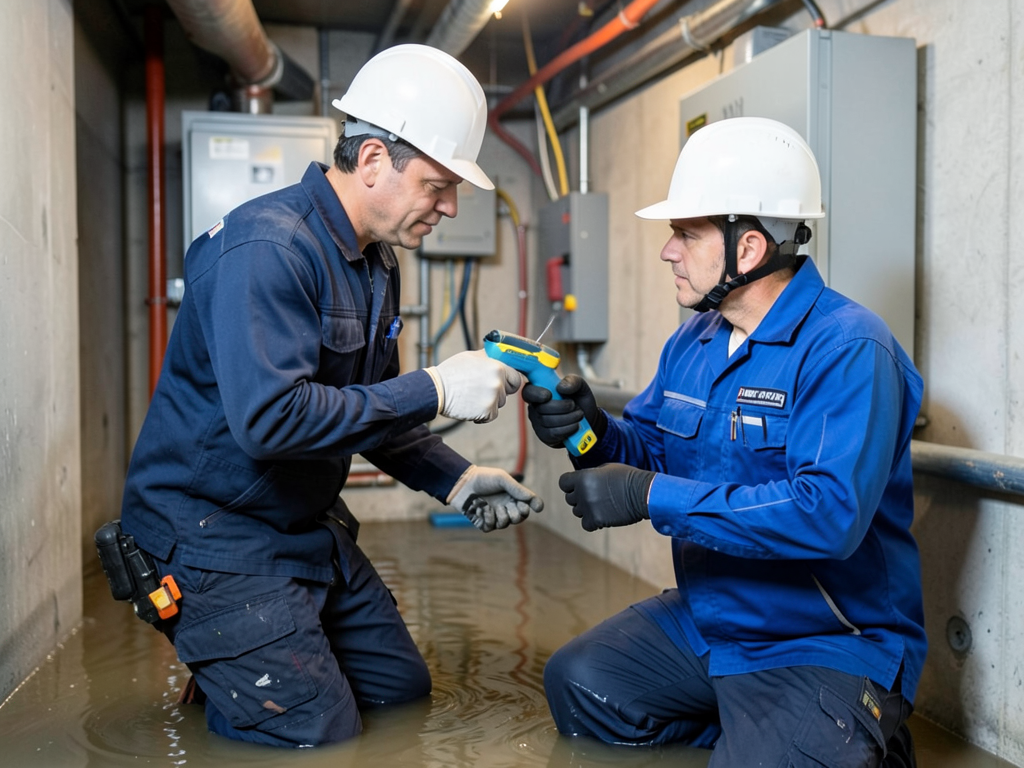
The dangerous mistake of entering a flooded room before the power is off
Standing in a flooded basement with electricity still running is like stepping into an electrified pool. Water conducts electricity perfectly, and Portland’s aging electrical systems in homes built before 1970 create extra hazards. The moment your foot touches water connected to a live circuit, the current travels through your body looking for ground. Portland Bureau of Development Services.
The danger multiplies in Portland where many homes have submerged outlets, wet appliances, and hidden wiring beneath floors. A single 120-volt outlet in six inches of water can deliver a lethal shock. The risk becomes deadly when you consider that Portland’s Willamette Valley clay soil holds moisture against foundations, creating perfect conditions for electrical conduction. Water damage restoration for Hillsboro offices and commercial spaces.
Before taking one step into any flooded area, you must verify that all power sources are completely disconnected. This means more than just flipping a switch. It requires understanding Portland’s specific utility setup and knowing when to call PGE or Pacific Power for emergency disconnection. Emergency water damage restoration in Portland that arrives in under an hour.
Immediate safety protocol: The ‘Rule of Zero’
The ‘Rule of Zero’ means zero contact with any electrical source until power is verified off at the main breaker and by the utility company. This protocol applies whether you’re dealing with an inch of clean water or several feet of contaminated floodwater.. Read more about Fast water extraction for warehouse and industrial spaces in the Brooklyn neighborhood.
Start by locating your main electrical panel. In Portland’s older neighborhoods like Sellwood and St. Johns, these panels often sit in basements where flooding occurs first. If water has reached the panel, do not attempt to touch it. The breakers inside may already be compromised.. Read more about How to handle fire sprinkler water damage in a South Portland high-rise.
Step one: Find your PGE account number and have it ready. Step two: Call PGE’s emergency line at 503-228-6322 immediately. Tell them you have standing water near electrical equipment. They will dispatch a technician to pull the meter or shut off power at the transformer.. Read more about Who to call for emergency water removal in Alameda when your finished basement floods.
Never assume that because lights are out or outlets aren’t working that power is safe. GFCI outlets can fail when wet, and circuit breakers can malfunction after water exposure. The only safe confirmation comes from a licensed electrician using a non-contact voltage tester after the area has dried.
Identifying electrical hazards in flooded basements
Portland’s basement flooding creates multiple electrical hazards that homeowners rarely recognize. Submerged outlets represent the most obvious danger, but they’re just the beginning. Water heaters, furnaces, and washing machines all contain heating elements that become deadly when submerged.
Look for these specific hazards in your flooded space. First, check for outlets below the water line. Even if they’re not working, water can create unintended current paths. Second, identify any appliances with motors or heating elements. These devices can retain charge even when unplugged.
Third, be aware of ‘stray current’ – electricity that travels through water from damaged wiring. This creates invisible danger zones where the water itself becomes electrified. You cannot see, smell, or hear stray current, but it can stop your heart in seconds.
Fourth, watch for GFCI outlets that have tripped but may reset unexpectedly. Portland code requires GFCIs in bathrooms, kitchens, and outdoor areas, but many older homes have outdated or missing protection. A tripped GFCI in wet conditions may not provide reliable protection. Finding a reliable team for basement flood cleanup in Lake Oswego.
Finally, consider the water type. Clean water from a broken pipe poses less electrical risk than gray water from appliances or black water from sewage backup. Contaminated water conducts electricity better and may contain additional chemical hazards that react with electrical current. Safe and fast sewage backup cleanup services in Gresham.
Portland-specific utility hazards
Portland’s utility infrastructure creates unique electrical hazards during flooding. PGE and Pacific Power serve different areas, and their emergency response protocols vary. Knowing which company serves your address determines who to call first.
PGE covers most of Portland proper, including downtown, Northwest, and East Portland. Their emergency response number is 503-228-6322. Pacific Power serves areas like Hillsboro, Beaverton, and parts of Washington County. Their emergency line is 877-508-2272.
During widespread flooding, both utilities prioritize pulling meters at affected homes. This means they disconnect power at the point where it enters your home, not just at your breaker panel. This complete disconnection is essential because water can travel along service lines and create hazards even with breakers off.
Portland’s older neighborhoods present additional challenges. Homes in Irvington, Laurelhurst, and Eastmoreland often have electrical systems installed before modern grounding requirements. These systems may lack proper ground fault protection, making them more dangerous when wet.
Another Portland-specific hazard involves the city’s combined sewer-stormwater system. During heavy rains, this system can back up into basements through floor drains. This backup often contains electrical hazards from neighboring properties and can create complex current paths through the water.
West Hills homes face different challenges. Their hillside locations mean water can flow from upper to lower properties, creating unexpected flooding patterns. A neighbor’s drainage problem can flood your basement and bring their electrical hazards into your space.
The restoration process: Why you need an IICRC-certified team
Once power is safely disconnected, the restoration process begins. But electrical safety continues to dictate every step. Professional restoration teams follow IICRC S500 standards, which require electrical inspection before deploying drying equipment. IICRC S500 standards.
Drying equipment itself creates electrical demands. Air movers typically draw 5-10 amps each, while dehumidifiers can pull 7-12 amps. A basement with twenty air movers and three dehumidifiers creates a 200+ amp load. This load must be distributed across multiple circuits to avoid overloading any single breaker.
Portland’s older electrical panels often cannot handle this load. Homes built before 1970 may have 60 or 100-amp service instead of the modern 200-amp standard. This limitation means restoration teams must carefully stage equipment deployment and may need to install temporary power distribution systems.
Moisture mapping becomes critical during restoration. Technicians use thermal imaging cameras and moisture meters to identify hidden water pockets. These tools must be used only after electrical safety is confirmed, as their operation near live circuits creates additional hazards.
The drying timeline directly relates to electrical safety. Most Portland homes require 3-5 days of continuous drying. During this period, electrical systems must be monitored for signs of failure. Water-damaged wiring can degrade over time, creating delayed hazards that emerge after the visible water is gone.
Professional teams also coordinate with electricians for post-drying inspections. Portland building code requires electrical inspections after any flooding that affects wiring or panels. This inspection must be completed before restoring permanent power, even if temporary drying power was used safely. Professional mold removal and remediation for Beaverton homeowners.
Next steps: Professional inspection and code compliance
After the immediate flood threat passes, Portland building regulations require specific electrical inspections. The Portland Bureau of Development Services (BDS) mandates that any electrical equipment exposed to flooding must be inspected before restoration of service.
This inspection requirement covers outlets, switches, fixtures, and any wiring that may have been submerged. Even if equipment appears to function normally, internal corrosion can create delayed failure or fire hazards. Portland electricians must test each component individually and replace anything that shows signs of water damage.
The inspection process typically takes 2-4 hours for an average home. Electricians use megohmmeters to test insulation resistance and thermal cameras to identify hot spots that indicate failing components. They also check for proper grounding, which is often compromised in older Portland homes.
Building permits are required for electrical repairs after flooding. The permit process ensures that all work meets current NEC (National Electrical Code) standards. Portland has adopted the 2020 NEC with local amendments, which includes specific requirements for flood-damaged equipment.
Homeowners should expect electrical repair costs ranging from $2,000 to $10,000 depending on damage extent. This cost covers inspection, replacement of damaged components, and permit fees. While expensive, this investment prevents the much greater costs of electrical fires or shock injuries.
Insurance coverage for electrical repairs varies. Standard homeowners policies typically cover sudden water damage but may exclude flooding from external sources. Review your policy carefully and document all damage with photos before beginning cleanup. This documentation supports insurance claims for both water and electrical damage.
Finally, consider long-term prevention. After experiencing flooding, many Portland homeowners install backflow preventers, upgrade sump pumps, or improve exterior drainage. These improvements reduce future flood risk but also create opportunities to upgrade electrical systems to modern safety standards.
Frequently Asked Questions
How long should I wait before entering a flooded basement?
Wait until a qualified professional confirms all power is off at both the breaker panel and by the utility company. This typically takes 30-60 minutes after calling PGE or Pacific Power emergency services.. Read more about Professional toilet overflow cleanup and sanitization services for North Portland families.
Can I use a wet vacuum to remove flood water?
Only if you can verify that no electrical circuits are active in the area. Even battery-powered tools can create sparks that ignite gas leaks or cause explosions in certain conditions.
What should I do if I already walked through flood water?
Move to a dry area immediately. If you feel any tingling, numbness, or muscle contractions, seek medical attention right away. Even without symptoms, have your heart and nervous system checked, as electrical shock effects can be delayed.
Does homeowners insurance cover electrical damage from flooding?
Most policies cover sudden and accidental water damage, including electrical system damage. However, coverage for external flooding often requires separate flood insurance. Check your policy details and document all damage before cleanup.
How can I prevent electrical hazards during future floods?
Install GFCI protection throughout your home, elevate electrical panels above potential flood levels, and consider whole-home surge protection. Regular electrical inspections can identify vulnerabilities before flooding occurs.
Who should I call first during a flood emergency?
Call PGE or Pacific Power emergency services first to disconnect power, then contact a professional water damage restoration company. Never enter flooded areas until power is confirmed off by both the utility and a qualified electrician.
Take action now to protect your home and family
Flood water and electricity create a deadly combination that claims lives every year in Portland. The mistake of entering a flooded room before power is off can happen in seconds but the consequences last forever. Don’t become another statistic.
If you’re facing flooding right now, stop everything and call PGE emergency services at 503-228-6322. If you’re in Washington County, call Pacific Power at 877-508-2272. These calls take minutes but can save lives.
For professional flood restoration that prioritizes electrical safety, call (503) 882-7766 today. Our IICRC-certified team understands Portland’s unique electrical hazards and follows strict safety protocols that protect your family while restoring your home.
Pick up the phone and call (503) 882-7766 before the next storm hits. We’re ready 24/7 to respond to your emergency with the expertise and equipment needed to handle Portland’s toughest flood situations safely.
You may also find this helpful. What to do if your upstairs neighbor’s bathtub overflows into your Pearl District unit.
{
“@context”: “https://schema.org”,
“@type”: “BlogPosting”,
“headline”: “The dangerous mistake of entering a flooded room before the power is off”,
“description”: “Portland homeowners: Learn why entering flooded rooms before power is off can be fatal. Get PGE emergency protocols and safety steps from certified restoration experts.”,
“wordCount”: 1821,
“datePublished”: “2026-04-02T06:56:00.000Z”,
“dateModified”: “2026-04-02T06:56:00.000Z”,
“inLanguage”: “en-US”,
“mainEntityOfPage”: {
“@type”: “WebPage”,
“@id”: “https://evergreenwaterdamagerestorationportland.com”
},
“publisher”: {
“@type”: “LocalBusiness”,
“name”: “Evergreen Water Damage Restoration Portland”,
“url”: “https://evergreenwaterdamagerestorationportland.com”
},
“author”: {
“@type”: “Organization”,
“name”: “Evergreen Water Damage Restoration Portland”,
“url”: “https://evergreenwaterdamagerestorationportland.com”
},
“image”: {
“@type”: “ImageObject”,
“url”: “https://evergreenwaterdamagerestorationportland.com/wp-content/uploads/2026/03/the-dangerous-mistake-of-entering-a-flooded-room-b-1.png”
}
}
{
“@context”: “https://schema.org”,
“@type”: “LocalBusiness”,
“name”: “Evergreen Water Damage Restoration Portland”,
“url”: “https://evergreenwaterdamagerestorationportland.com”,
“address”: {
“@type”: “PostalAddress”,
“addressLocality”: “Portland”
},
“areaServed”: {
“@type”: “City”,
“name”: “Portland”
}
}
{
“@context”: “https://schema.org”,
“@type”: “FAQPage”,
“mainEntity”: [
{
“@type”: “Question”,
“name”: “How long should I wait before entering a flooded basement?”,
“acceptedAnswer”: {
“@type”: “Answer”,
“text”: “Wait until a qualified professional confirms all power is off at both the breaker panel and by the utility company. This typically takes 30-60 minutes after calling PGE or Pacific Power emergency services.”
}
},
{
“@type”: “Question”,
“name”: “Can I use a wet vacuum to remove flood water?”,
“acceptedAnswer”: {
“@type”: “Answer”,
“text”: “Only if you can verify that no electrical circuits are active in the area. Even battery-powered tools can create sparks that ignite gas leaks or cause explosions in certain conditions.”
}
},
{
“@type”: “Question”,
“name”: “What should I do if I already walked through flood water?”,
“acceptedAnswer”: {
“@type”: “Answer”,
“text”: “Move to a dry area immediately. If you feel any tingling, numbness, or muscle contractions, seek medical attention right away. Even without symptoms, have your heart and nervous system checked, as electrical shock effects can be delayed.”
}
},
{
“@type”: “Question”,
“name”: “Does homeowners insurance cover electrical damage from flooding?”,
“acceptedAnswer”: {
“@type”: “Answer”,
“text”: “Most policies cover sudden and accidental water damage, including electrical system damage. However, coverage for external flooding often requires separate flood insurance. Check your policy details and document all damage before cleanup.”
}
},
{
“@type”: “Question”,
“name”: “How can I prevent electrical hazards during future floods?”,
“acceptedAnswer”: {
“@type”: “Answer”,
“text”: “Install GFCI protection throughout your home, elevate electrical panels above potential flood levels, and consider whole-home surge protection. Regular electrical inspections can identify vulnerabilities before flooding occurs.”
}
},
{
“@type”: “Question”,
“name”: “Who should I call first during a flood emergency?”,
“acceptedAnswer”: {
“@type”: “Answer”,
“text”: “Call PGE or Pacific Power emergency services first to disconnect power, then contact a professional water damage restoration company. Never enter flooded areas until power is confirmed off by both the utility and a qualified electrician.”
}
}
]
}
{
“@context”: “https://schema.org”,
“@type”: “BreadcrumbList”,
“itemListElement”: [
{
“@type”: “ListItem”,
“position”: 1,
“name”: “Home”,
“item”: “https://evergreenwaterdamagerestorationportland.com”
},
{
“@type”: “ListItem”,
“position”: 2,
“name”: “Blog”,
“item”: “https://evergreenwaterdamagerestorationportland.com/blog”
},
{
“@type”: “ListItem”,
“position”: 3,
“name”: “The dangerous mistake of entering a flooded room before the power is off”
}
]
}
{
“@context”: “https://schema.org”,
“@type”: “Service”,
“serviceType”: “Water Damage Restoration”,
“provider”: {
“@type”: “LocalBusiness”,
“name”: “Evergreen Water Damage Restoration Portland”,
“url”: “https://evergreenwaterdamagerestorationportland.com”
},
“areaServed”: {
“@type”: “City”,
“name”: “Portland”
},
“description”: “Portland homeowners: Learn why entering flooded rooms before power is off can be fatal. Get PGE emergency protocols and safety steps from certified restoration experts.”
}