
Choosing between drying in place and a full tear out for your flooded Portland office
When your Portland office floods, you face a critical decision that affects your business timeline, budget, and property integrity. Should you attempt to dry materials in place or proceed with a full demolition? This choice determines whether your team returns to work in days or weeks, and whether hidden damage becomes a long-term liability. Water damage restoration for Hillsboro offices and commercial spaces.
The decision hinges on three factors: the water category (clean, gray, or black), the materials affected, and Portland’s unique climate conditions. Understanding these elements helps you make an informed choice that protects both your business operations and your building’s value. Emergency water damage restoration in Portland that arrives in under an hour.
Understanding water categories and their restoration requirements
Water damage professionals classify flood water into three categories based on contamination levels. Category 1 water originates from clean sources like broken supply lines or rainwater intrusion. Category 2 water contains significant contamination from sources like washing machine overflows or dishwasher leaks. Category 3 water is grossly contaminated, including sewage backups, river flooding, or water that has contacted contaminated materials. Professional mold removal and remediation for Beaverton homeowners.
The category determines your restoration approach. Category 1 water on non-porous surfaces often allows successful in-place drying. However, Category 2 water requires antimicrobial treatment, and Category 3 water mandates demolition of affected materials to prevent health hazards. Document Drying & Restoration.
The science behind professional drying decisions
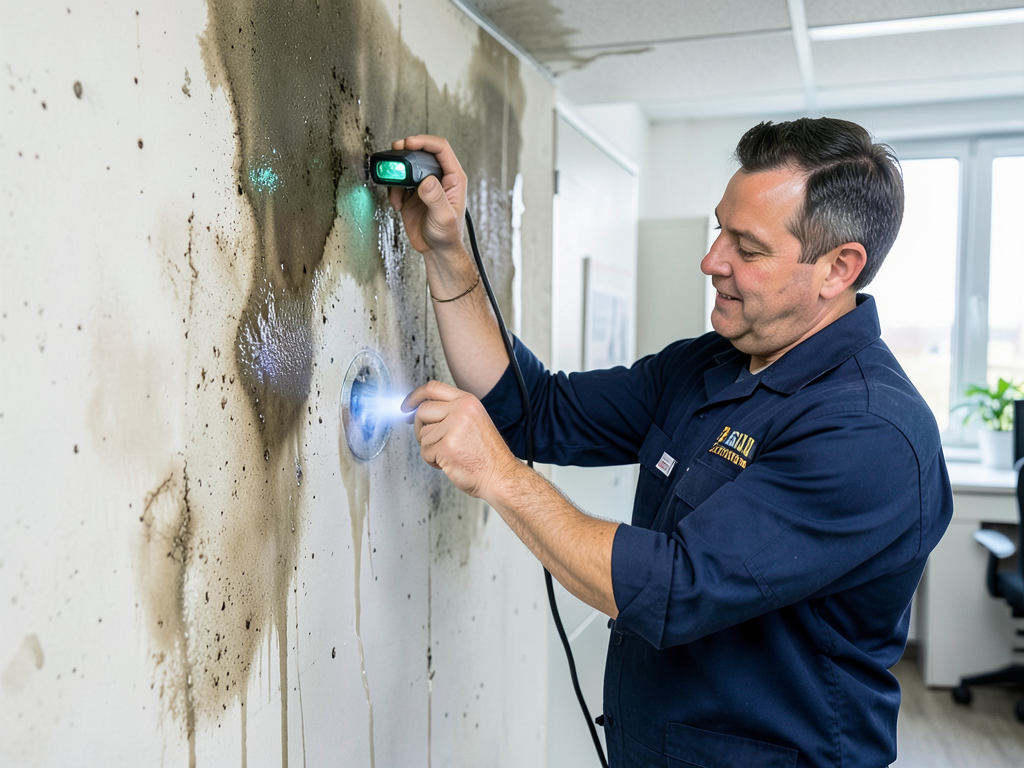
Restoration technicians use moisture meters and thermal imaging cameras to assess damage extent. A moisture meter reading above 16% in drywall indicates structural compromise, while readings over 20% suggest irreversible damage. Thermal imaging reveals hidden moisture pockets behind walls that visual inspection cannot detect. Water Damage Restoration Wilsonville.
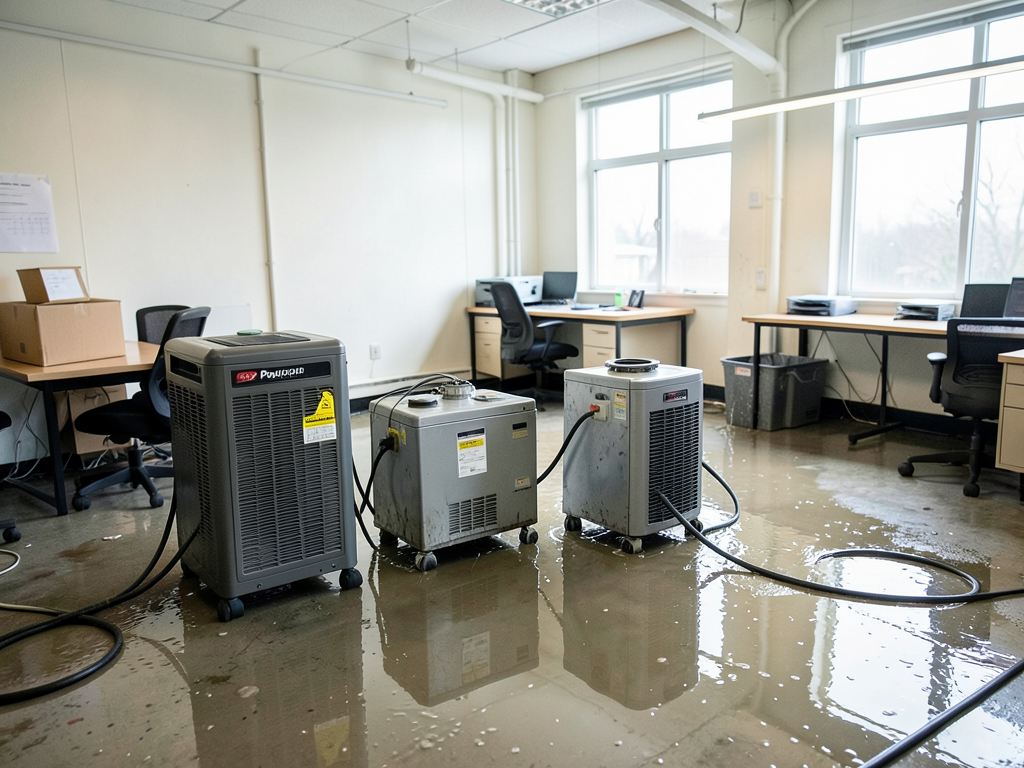
According to IICRC S500 standards, the industry benchmark for water damage restoration, successful in-place drying requires maintaining relative humidity below 40% and achieving target moisture content specific to each material type. Portland’s average relative humidity of 75-85% during winter months makes this challenging without industrial-grade equipment. IICRC S500 standards.
When in-place drying works for your Portland office
In-place drying succeeds when you catch clean water damage within 24-48 hours and the affected materials are non-porous or minimally absorbent. Concrete floors, ceramic tile, and metal fixtures typically dry successfully. Category 1 water on sealed concrete can often be restored without demolition.. Read more about Advanced structural drying techniques for high end custom homes in Dunthorpe.
Early detection proves critical. Water that sits for more than 48 hours begins supporting microbial growth, making demolition necessary regardless of the initial water category. Portland’s damp climate accelerates this process compared to drier regions.
Commercial offices with vinyl composition tile or sealed concrete flooring have excellent candidates for in-place drying. These materials resist water absorption and dry quickly with proper air movement and dehumidification.. Read more about Is your luxury vinyl plank flooring actually waterproof or is it hiding mold in your basement?.
Scenarios requiring full demolition
Demolition becomes mandatory when water affects porous materials like drywall, insulation, or carpeting, especially if contamination is present. Category 3 water mandates removal of all affected materials because cleaning cannot eliminate health risks from pathogens and toxins.
Structural integrity concerns also drive demolition decisions. When water compromises load-bearing elements or creates unsafe conditions, removal becomes the only option. Portland’s older commercial buildings, particularly those from the 1960s-1980s, often contain materials that deteriorate rapidly when wet.
Hidden damage frequently necessitates demolition. Water travels along paths of least resistance, often collecting behind walls or under flooring where it remains undetected. Thermal imaging might reveal extensive damage that visual inspection misses, making demolition the cost-effective choice despite initial appearances.
Portland’s climate impact on restoration decisions
Portland’s high humidity creates unique challenges for water damage restoration. The Willamette Valley’s moisture-rich air slows natural evaporation rates, extending drying times from the typical 3-5 days to potentially 7-10 days for in-place drying projects. This extended timeline increases business interruption costs and mold growth risks.
Winter conditions compound these challenges. Portland’s average January temperature of 40°F means flooded buildings cannot rely on passive heating to aid drying. Industrial dehumidifiers must work harder and longer to achieve target conditions, increasing energy costs and equipment requirements.
Seasonal rainfall patterns affect groundwater levels around building foundations. A flood during Portland’s wet season may involve rising groundwater, which carries contaminants and increases the likelihood of Category 3 water classification.
Cost comparison and insurance considerations
Insurance adjusters evaluate restoration methods based on cost-effectiveness and long-term outcomes. While in-place drying appears cheaper initially, failed drying attempts that require subsequent demolition often cost more than immediate removal would have.
Commercial insurance policies typically cover both restoration methods, but documentation requirements differ. In-place drying requires extensive moisture mapping and progress documentation to prove successful restoration. Demolition projects need fewer progress photos but more detailed scope documentation for replacement materials.
Business interruption coverage often depends on restoration timeline. Faster in-place drying methods may reduce business interruption claims, but only if successful. Failed in-place attempts that extend closure periods can increase total claim costs.
Making the right choice for your specific situation
Consider these factors when deciding between drying methods: the water category, material types affected, building age, Portland’s current weather conditions, and your business’s tolerance for extended closure. A 24-hour emergency response team can assess these factors and recommend the optimal approach.
Professional assessment matters because DIY attempts often miss hidden damage. What appears to be a small, manageable flood may involve extensive damage behind walls or under flooring that only thermal imaging can reveal.
Your restoration partner should provide a clear rationale for their recommended approach, including moisture readings, contamination assessments, and drying timeline projections. This transparency helps you make informed decisions about your business’s recovery.
Frequently Asked Questions
How long does in-place drying typically take in Portland?
In Portland’s humid climate, successful in-place drying usually requires 5-7 days with industrial equipment, compared to 3-4 days in drier regions. Category 1 water on non-porous surfaces may dry in 3-4 days, but Portland’s winter humidity often extends this timeline.
Can I save my office carpeting after a flood?
Carpeting can be saved only if the water was Category 1 and the flooding lasted less than 24 hours. Category 2 or 3 water requires carpet removal. Portland’s humidity makes carpet drying challenging even under ideal conditions.
What happens if I choose the wrong restoration method?
Failed in-place drying often leads to mold growth within 48-72 hours, requiring more extensive demolition later. This extends business closure and increases costs. Professional assessment using moisture meters and thermal imaging helps prevent these costly mistakes.
Does insurance prefer one method over another?
Insurance companies focus on cost-effectiveness and successful outcomes rather than specific methods. They require documentation proving the chosen method achieved proper drying standards. Failed in-place attempts that require subsequent demolition often result in higher claim costs than initial demolition would have.
How can I tell if water reached my electrical systems?
Water and electricity create serious hazards. If flooding reached electrical outlets, baseboards, or equipment, immediately shut off power at the breaker panel. Professional electricians must inspect all affected systems before restoration begins. Never attempt to assess electrical damage yourself.
Don’t let flood damage decisions jeopardize your business recovery. Call (503) 882-7766 today to schedule your inspection. Our certified technicians will assess your specific situation and recommend the most effective restoration approach for your Portland office. Pick up the phone and call (503) 882-7766 before the next storm hits. For more information, visit EPA mold information.
{
“@context”: “https://schema.org”,
“@type”: “BlogPosting”,
“headline”: “Choosing between drying in place and a full tear out for your flooded Portland office”,
“description”: “Discover when to dry in place vs. full demolition for your flooded Portland office. Learn IICRC standards, cost factors, and how Portland’s climate affects restoration.”,
“wordCount”: 1233,
“datePublished”: “2026-05-12T07:21:00.000Z”,
“dateModified”: “2026-05-12T07:21:00.000Z”,
“inLanguage”: “en-US”,
“mainEntityOfPage”: {
“@type”: “WebPage”,
“@id”: “https://evergreenwaterdamagerestorationportland.com”
},
“publisher”: {
“@type”: “LocalBusiness”,
“name”: “Evergreen Water Damage Restoration Portland”,
“url”: “https://evergreenwaterdamagerestorationportland.com”
},
“author”: {
“@type”: “Organization”,
“name”: “Evergreen Water Damage Restoration Portland”,
“url”: “https://evergreenwaterdamagerestorationportland.com”
},
“image”: {
“@type”: “ImageObject”,
“url”: “https://evergreenwaterdamagerestorationportland.com/wp-content/uploads/2026/03/choosing-between-drying-in-place-and-a-full-tear-o-1.png”
}
}
{
“@context”: “https://schema.org”,
“@type”: “LocalBusiness”,
“name”: “Evergreen Water Damage Restoration Portland”,
“url”: “https://evergreenwaterdamagerestorationportland.com”,
“address”: {
“@type”: “PostalAddress”,
“addressLocality”: “Portland”
},
“areaServed”: {
“@type”: “City”,
“name”: “Portland”
}
}
{
“@context”: “https://schema.org”,
“@type”: “FAQPage”,
“mainEntity”: [
{
“@type”: “Question”,
“name”: “How long does in-place drying typically take in Portland?”,
“acceptedAnswer”: {
“@type”: “Answer”,
“text”: “In Portland’s humid climate, successful in-place drying usually requires 5-7 days with industrial equipment, compared to 3-4 days in drier regions. Category 1 water on non-porous surfaces may dry in 3-4 days, but Portland’s winter humidity often extends this timeline.”
}
},
{
“@type”: “Question”,
“name”: “Can I save my office carpeting after a flood?”,
“acceptedAnswer”: {
“@type”: “Answer”,
“text”: “Carpeting can be saved only if the water was Category 1 and the flooding lasted less than 24 hours. Category 2 or 3 water requires carpet removal. Portland’s humidity makes carpet drying challenging even under ideal conditions.”
}
},
{
“@type”: “Question”,
“name”: “Does insurance prefer one method over another?”,
“acceptedAnswer”: {
“@type”: “Answer”,
“text”: “Insurance companies focus on cost-effectiveness and successful outcomes rather than specific methods. They require documentation proving the chosen method achieved proper drying standards. Failed in-place attempts that require subsequent demolition often result in higher claim costs than initial demolition would have.”
}
},
{
“@type”: “Question”,
“name”: “How can I tell if water reached my electrical systems?”,
“acceptedAnswer”: {
“@type”: “Answer”,
“text”: “Water and electricity create serious hazards. If flooding reached electrical outlets, baseboards, or equipment, immediately shut off power at the breaker panel. Professional electricians must inspect all affected systems before restoration begins. Never attempt to assess electrical damage yourself.”
}
}
]
}
{
“@context”: “https://schema.org”,
“@type”: “BreadcrumbList”,
“itemListElement”: [
{
“@type”: “ListItem”,
“position”: 1,
“name”: “Home”,
“item”: “https://evergreenwaterdamagerestorationportland.com”
},
{
“@type”: “ListItem”,
“position”: 2,
“name”: “Blog”,
“item”: “https://evergreenwaterdamagerestorationportland.com/blog”
},
{
“@type”: “ListItem”,
“position”: 3,
“name”: “Choosing between drying in place and a full tear out for your flooded Portland office”
}
]
}
{
“@context”: “https://schema.org”,
“@type”: “Service”,
“serviceType”: “Water Damage Restoration”,
“provider”: {
“@type”: “LocalBusiness”,
“name”: “Evergreen Water Damage Restoration Portland”,
“url”: “https://evergreenwaterdamagerestorationportland.com”
},
“areaServed”: {
“@type”: “City”,
“name”: “Portland”
},
“description”: “Discover when to dry in place vs. full demolition for your flooded Portland office. Learn IICRC standards, cost factors, and how Portland’s climate affects restoration.”
}