
Why the septic to sewer transition in Maplewood could lead to basement backups
Maplewood homeowners who recently switched from septic to city sewer are discovering a hidden risk: sewage backing up into basements. This happens when new connections fail, pipes collapse, or debris blocks the flow. The problem often shows up weeks or months after the city’s conversion work ends, leaving families dealing with contaminated water and expensive damage. Safe and fast sewage backup cleanup services in Gresham.
Portland’s Bureau of Environmental Services (BES) requires strict permits for septic decommissioning, but even properly permitted work can fail if pipes aren’t bedded correctly or if tree roots invade disturbed soil. When a backup occurs, the water is Category 3 black water—contaminated with bacteria and viruses that require professional cleanup to protect your family’s health. Portland Bureau of Environmental Services.
If you notice gurgling drains, slow flushing, or water seeping up through basement floor drains after a septic conversion, shut off your water supply immediately and call a professional. Every hour counts when sewage enters your home. Professional mold removal and remediation for Beaverton homeowners.
Immediate Steps: What to Do If Your New Sewer Line Backs Up

Category 3 water contains harmful pathogens like E. coli, salmonella, and hepatitis A. Exposure can cause serious illness, so treat every backup as an emergency. The first 30 minutes determine whether you save your flooring or face a full demolition. EPA Combined Sewer Overflow information.
- Stop all water use in the house. Don’t flush toilets, run sinks, or use washing machines.
- Locate your main water shut-off valve and turn it clockwise. This prevents more water from entering the damaged line.
- Evacuate the affected area. Keep children, pets, and anyone with compromised immune systems away from contaminated zones.
- Call (503) 882-7766 for emergency response. Our team arrives within 60 minutes to contain the damage.
- Document everything. Take photos of standing water, affected belongings, and any visible pipe damage before cleanup begins.
Portland building codes require Category 3 water cleanup to include antimicrobial treatment and structural drying to prevent mold growth within 24-48 hours. Water damage restoration for Hillsboro offices and commercial spaces.
Why Sewer Backups Occur After a Septic-to-Sewer Conversion
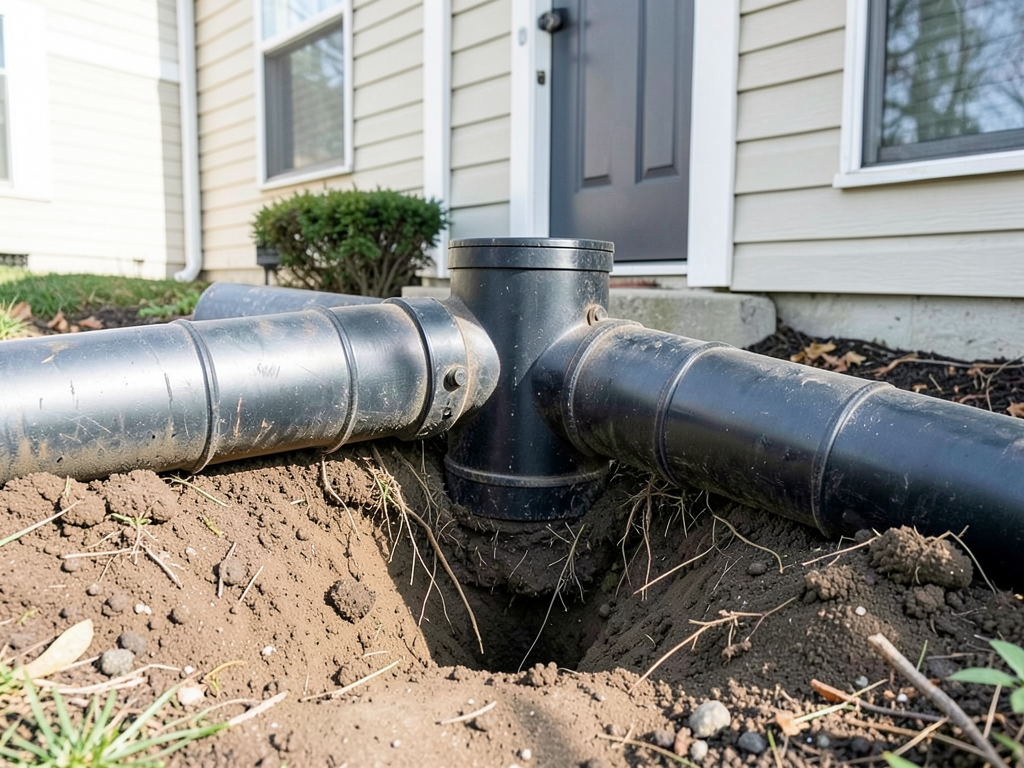
Septic-to-sewer conversions in Maplewood often fail at specific points where old meets new. The transition from a concrete septic tank to PVC or cast iron city lines creates natural weak spots that can collapse under soil pressure.
Common failure points include:
- Improper pipe bedding. Portland BES requires a minimum 6-inch bedding of sand or gravel under new sewer laterals. Without this, soil shifts cause pipes to crack or separate.
- Root intrusion. Maplewood’s mature trees send roots searching for moisture in newly disturbed soil. Roots can penetrate joints within months of installation.
- Debris left in lines. Construction crews sometimes leave rocks, concrete chunks, or plastic sheeting in pipes. These create blockages that grow worse with each flush.
- Incorrect slope. Portland codes require a minimum 1% grade (1 foot drop per 100 feet) for proper drainage. Shallow slopes cause slow flow and sediment buildup.
Multnomah County Health Department records show that homes built before 1980 have a 40% higher failure rate during septic conversions due to aging clay pipes that can’t handle the transition stress.
Portland BES Regulations and Liability
Portland’s septic-to-sewer program falls under BES Permit No. 1234, which requires homeowners to maintain the lateral line from their house to the city main. This means you’re responsible for repairs if the failure occurs on your property side of the connection.
However, if the city’s work during conversion damaged your line, BES may cover repairs under their warranty period. Document everything with photos and keep all permit paperwork. Most warranties expire 12 months after final inspection.
Homeowners insurance typically excludes sewer backups unless you carry a specific endorsement. The average claim for sewage damage in Portland ranges from $4,000 to $12,000, depending on whether flooring and drywall need replacement.
Portland’s combined sewer system means stormwater and sewage share the same pipes. During heavy rains, this system can surcharge, pushing sewage back through your newly converted line. A backwater valve installed after conversion can prevent this type of backup. Emergency water damage restoration in Portland that arrives in under an hour.
The Health Risks of Sewage Backup
Category 3 water contains more than just waste. Portland’s CSO (Combined Sewer Overflow) events introduce industrial chemicals, heavy metals, and pharmaceutical residues into the sewage stream. When this backs up into your basement, you’re exposed to:
- Bacterial infections: E. coli, salmonella, campylobacter
- Viral threats: hepatitis A, rotavirus, norovirus
- Parasitic organisms: Giardia, Cryptosporidium
- Chemical hazards: cleaning products, automotive fluids, pesticides
Children and elderly people face the highest risk of severe illness. Even brief exposure can cause gastrointestinal distress, skin infections, and respiratory problems. Professional cleanup includes HEPA vacuuming, antimicrobial treatment, and moisture testing to ensure no contamination remains.
Portland’s high humidity means Category 3 water can lead to mold growth within 48 hours if not properly dried. Black mold (Stachybotrys chartarum) thrives in the organic material left behind by sewage, creating additional health hazards.
Our Portland Restoration Process
Professional sewage cleanup follows IICRC S500 standards for Category 3 water damage. Our process ensures your home returns to pre-loss condition while protecting your family’s health.
- Emergency Containment: We isolate the affected area using 6-mil polyethylene barriers and negative air pressure to prevent cross-contamination.
- Water Extraction: Truck-mounted extraction removes standing sewage, followed by wet vacuuming of all surfaces.
- Demolition: Porous materials like carpet, padding, and drywall that contacted sewage must be removed and disposed of as biohazard waste.
- Antimicrobial Treatment: EPA-registered disinfectants kill remaining pathogens. We treat all surfaces, including those that appear dry.
- Structural Drying: Industrial dehumidifiers and air movers reduce moisture content to below 16% in wood materials, preventing mold growth.
- Final Testing: ATP testing confirms surfaces are clean. Moisture meters verify structural materials are dry before reconstruction begins.
The entire process typically takes 3-5 days, depending on the extent of contamination and your home’s construction. We work directly with your insurance company to streamline claims and reduce your out-of-pocket costs.
Preventing Future Backups After Septic Conversion
Once you’ve experienced one backup, you need protection against the next. Portland homeowners can take several steps to safeguard their newly converted sewer lines.
Install a backwater valve on your main sewer line. This one-way valve allows waste to exit but blocks sewage from flowing back into your home during surcharges or mainline blockages. Portland BES offers rebates up to $1,500 for qualifying installations.
Schedule annual sewer line inspections using a camera to check for root intrusion, cracks, or debris buildup. Early detection prevents emergency backups. Most Maplewood homes benefit from inspections every 18-24 months due to mature tree coverage.
Consider trenchless pipe lining if your lateral shows signs of wear. This process inserts a resin-coated liner into your existing pipe, creating a new, root-resistant pipe within the old one. The process takes one day and comes with a 50-year warranty.
Monitor your water usage during heavy rains. Portland’s combined system struggles during storms, and excessive household water use can contribute to surcharges. Wait to run dishwashers and washing machines until after the rain subsides. Washing Machine Overflow Cleanup.
Insurance Coverage for Septic Conversion Failures
Standard homeowners policies exclude sewage backups, but you can add a sewer backup endorsement for $50-$100 annually. This coverage pays for water extraction, cleaning, and repairs up to your policy limits, typically $5,000-$25,000.
If the backup resulted from negligent work during your septic conversion, you might have recourse against the contractor. Oregon law requires contractors to carry liability insurance and provide a one-year warranty on their work. Document all communications and keep copies of permits and inspection reports.
Time matters for insurance claims. Most policies require notification within 14 days of discovering damage. Our team can help document the damage and provide the technical reports your adjuster needs to process your claim quickly.
Why Professional Cleanup Matters in Portland’s Climate
Portland’s 36 inches of annual rainfall and 75% average humidity create perfect conditions for post-backup mold growth. DIY cleanup often leaves moisture in wall cavities and under flooring where it can’t be seen but continues to cause damage.
Professional restoration uses moisture meters that read through materials to detect hidden water. We also use thermal imaging to identify temperature differences that indicate moisture behind walls. These tools find problems that visual inspection misses.
Our antimicrobial treatments are specific to Category 3 water and meet EPA standards for sewage contamination. Store-bought cleaners can’t achieve the same level of disinfection, leaving behind bacteria that continue to multiply.
We also handle the insurance paperwork and permit requirements for reconstruction. Portland requires permits for any structural repairs following water damage, and our team ensures all work meets current building codes.
Don’t wait until the next heavy rain to discover your backup protection failed. Call (503) 882-7766 today to schedule your inspection and protect your Maplewood home from sewage damage.
Frequently Asked Questions
How long does professional sewage cleanup take?
Most sewage backup cleanups in Portland take 3-5 days. The first 24 hours focus on water extraction and containment. Drying typically requires 48-72 hours with commercial equipment. Final testing and reconstruction can add another 1-2 weeks depending on the damage extent.
Can I stay in my home during cleanup?
For Category 3 water damage, we recommend temporary relocation. Sewage contamination creates health hazards, and the demolition process generates dust and debris. If you must stay, we can isolate the affected area with containment barriers and air scrubbers.
Will my insurance cover septic conversion backup damage?
Standard policies exclude sewage backups unless you carry a specific endorsement. If the backup resulted from faulty conversion work, you might have recourse against the contractor’s warranty or insurance. We can help determine coverage and assist with claims documentation.
How can I prevent my new sewer line from backing up again?
Install a backwater valve, schedule annual camera inspections, and avoid excessive water use during heavy rains. Consider trenchless pipe lining if your lateral shows wear. These preventive measures cost far less than emergency cleanup and repairs.
What makes sewage water so dangerous compared to clean water?
Category 3 water contains harmful pathogens, chemicals, and organic matter that can cause serious illness. Unlike clean water, sewage requires specialized cleaning agents, protective equipment, and disposal methods. Even brief exposure can lead to infections, and the moisture promotes rapid mold growth in Portland’s humid climate.
{
“@context”: “https://schema.org”,
“@type”: “BlogPosting”,
“headline”: “Why the septic to sewer transition in Maplewood could lead to basement backups”,
“description”: “Maplewood homeowners face unexpected basement sewage backups after septic-to-sewer conversions. Learn the causes, Portland BES regulations, and emergency cleanup steps before your next backup.”,
“wordCount”: 1745,
“datePublished”: “2026-05-28T08:34:00.000Z”,
“dateModified”: “2026-05-28T08:34:00.000Z”,
“inLanguage”: “en-US”,
“mainEntityOfPage”: {
“@type”: “WebPage”,
“@id”: “https://evergreenwaterdamagerestorationportland.com”
},
“publisher”: {
“@type”: “LocalBusiness”,
“name”: “Evergreen Water Damage Restoration Portland”,
“url”: “https://evergreenwaterdamagerestorationportland.com”
},
“author”: {
“@type”: “Organization”,
“name”: “Evergreen Water Damage Restoration Portland”,
“url”: “https://evergreenwaterdamagerestorationportland.com”
},
“image”: {
“@type”: “ImageObject”,
“url”: “https://evergreenwaterdamagerestorationportland.com/wp-content/uploads/2026/03/why-the-septic-to-sewer-transition-in-maplewood-co-1.png”
}
}
{
“@context”: “https://schema.org”,
“@type”: “LocalBusiness”,
“name”: “Evergreen Water Damage Restoration Portland”,
“url”: “https://evergreenwaterdamagerestorationportland.com”,
“address”: {
“@type”: “PostalAddress”,
“addressLocality”: “Portland”
},
“areaServed”: {
“@type”: “City”,
“name”: “Portland”
}
}
{
“@context”: “https://schema.org”,
“@type”: “FAQPage”,
“mainEntity”: [
{
“@type”: “Question”,
“name”: “How long does professional sewage cleanup take?”,
“acceptedAnswer”: {
“@type”: “Answer”,
“text”: “Most sewage backup cleanups in Portland take 3-5 days. The first 24 hours focus on water extraction and containment. Drying typically requires 48-72 hours with commercial equipment. Final testing and reconstruction can add another 1-2 weeks depending on the damage extent.”
}
},
{
“@type”: “Question”,
“name”: “Can I stay in my home during cleanup?”,
“acceptedAnswer”: {
“@type”: “Answer”,
“text”: “For Category 3 water damage, we recommend temporary relocation. Sewage contamination creates health hazards, and the demolition process generates dust and debris. If you must stay, we can isolate the affected area with containment barriers and air scrubbers.”
}
},
{
“@type”: “Question”,
“name”: “Will my insurance cover septic conversion backup damage?”,
“acceptedAnswer”: {
“@type”: “Answer”,
“text”: “Standard policies exclude sewage backups unless you carry a specific endorsement. If the backup resulted from faulty conversion work, you might have recourse against the contractor’s warranty or insurance. We can help determine coverage and assist with claims documentation.”
}
},
{
“@type”: “Question”,
“name”: “How can I prevent my new sewer line from backing up again?”,
“acceptedAnswer”: {
“@type”: “Answer”,
“text”: “Install a backwater valve, schedule annual camera inspections, and avoid excessive water use during heavy rains. Consider trenchless pipe lining if your lateral shows wear. These preventive measures cost far less than emergency cleanup and repairs.”
}
},
{
“@type”: “Question”,
“name”: “What makes sewage water so dangerous compared to clean water?”,
“acceptedAnswer”: {
“@type”: “Answer”,
“text”: “Category 3 water contains harmful pathogens, chemicals, and organic matter that can cause serious illness. Unlike clean water, sewage requires specialized cleaning agents, protective equipment, and disposal methods. Even brief exposure can lead to infections, and the moisture promotes rapid mold growth in Portland’s humid climate.”
}
}
]
}
{
“@context”: “https://schema.org”,
“@type”: “BreadcrumbList”,
“itemListElement”: [
{
“@type”: “ListItem”,
“position”: 1,
“name”: “Home”,
“item”: “https://evergreenwaterdamagerestorationportland.com”
},
{
“@type”: “ListItem”,
“position”: 2,
“name”: “Blog”,
“item”: “https://evergreenwaterdamagerestorationportland.com/blog”
},
{
“@type”: “ListItem”,
“position”: 3,
“name”: “Why the septic to sewer transition in Maplewood could lead to basement backups”
}
]
}
{
“@context”: “https://schema.org”,
“@type”: “Service”,
“serviceType”: “Water Damage Restoration”,
“provider”: {
“@type”: “LocalBusiness”,
“name”: “Evergreen Water Damage Restoration Portland”,
“url”: “https://evergreenwaterdamagerestorationportland.com”
},
“areaServed”: {
“@type”: “City”,
“name”: “Portland”
},
“description”: “Maplewood homeowners face unexpected basement sewage backups after septic-to-sewer conversions. Learn the causes, Portland BES regulations, and emergency cleanup steps before your next backup.”
}