
How an atmospheric river affects Portland basement flooding and what you should do
When an atmospheric river hits Portland it brings more than heavy rain. These massive bands of moisture from the Pacific can dump several inches of water in 24 hours. Portland’s clay-rich Willamette Valley soil becomes saturated and hydrostatic pressure builds against basement walls. Water finds every crack and seam. If your basement floods right now this guide gives you immediate steps to protect your home and the professional restoration process that follows. Portland Bureau of Environmental Services.
Immediate Response: What to Do If Your Portland Home is Flooding
Safety comes first. If water enters your basement shut off electricity to that area at the breaker panel. If water reaches outlets or appliances stay out of the water and call for professional help immediately. Gas appliances in flooded areas pose explosion risks so shut off the main gas valve if you smell gas or see standing water near your furnace or water heater. Professional mold removal and remediation for Beaverton homeowners.
Stop the water source if possible. Check your sump pump operation. If it is not running and you have power check the float switch for debris. If your pump is dead and water keeps rising use a wet vacuum or buckets to remove water but only if it is safe to be in the basement. Water damage restoration for Hillsboro offices and commercial spaces.
Move valuables to higher ground. Lift furniture onto blocks or remove it entirely. Document everything with photos before cleanup begins. This documentation proves essential for insurance claims under Oregon’s flood damage reporting requirements. Oregon Construction Contractors Board.
Call (503) 882-7766 for emergency water extraction. Professional restoration teams arrive within hours with industrial pumps and moisture meters to assess structural damage. The longer water sits the more it compromises drywall studs and creates mold-friendly conditions in Portland’s humid climate. Emergency water damage restoration in Portland that arrives in under an hour.
Understanding Atmospheric Rivers in the Willamette Valley
Atmospheric rivers are long narrow corridors of concentrated moisture in the atmosphere stretching from the tropics to the Pacific Northwest. When these systems stall over Portland they deliver 3 to 6 inches of rain in 48 hours. This overwhelms the city’s combined sewer system. Johnson Creek which runs through Lents and Foster-Powell neighborhoods can rise 10 feet in hours during these events.. Read more about Dealing with lead and asbestos during water damage repairs in older Portland neighborhoods.
Portland’s geology makes flooding worse. The Missoula Flood deposits left behind clay soils that drain slowly. When these soils become saturated water pressure against foundation walls can reach 30 pounds per square foot. This forces water through hairline cracks. Homes in West Hills face additional risks from saturated slopes triggering landslides that damage underground utilities and create sudden water intrusions.
The National Weather Service Portland issues atmospheric river warnings when integrated vapor transport exceeds 250 kilograms per meter per second. These warnings give you 24 to 48 hours to prepare but the ground may already be saturated from previous storms reducing your margin of safety. National Weather Service Portland.
Portland Bureau of Environmental Services maintains sandbag stations in East Portland and downtown during major events. These stations stock 10000 bags per location but run out quickly when atmospheric rivers hit. Check the city’s emergency website for current locations and availability.
Our Portland Water Damage Restoration Process
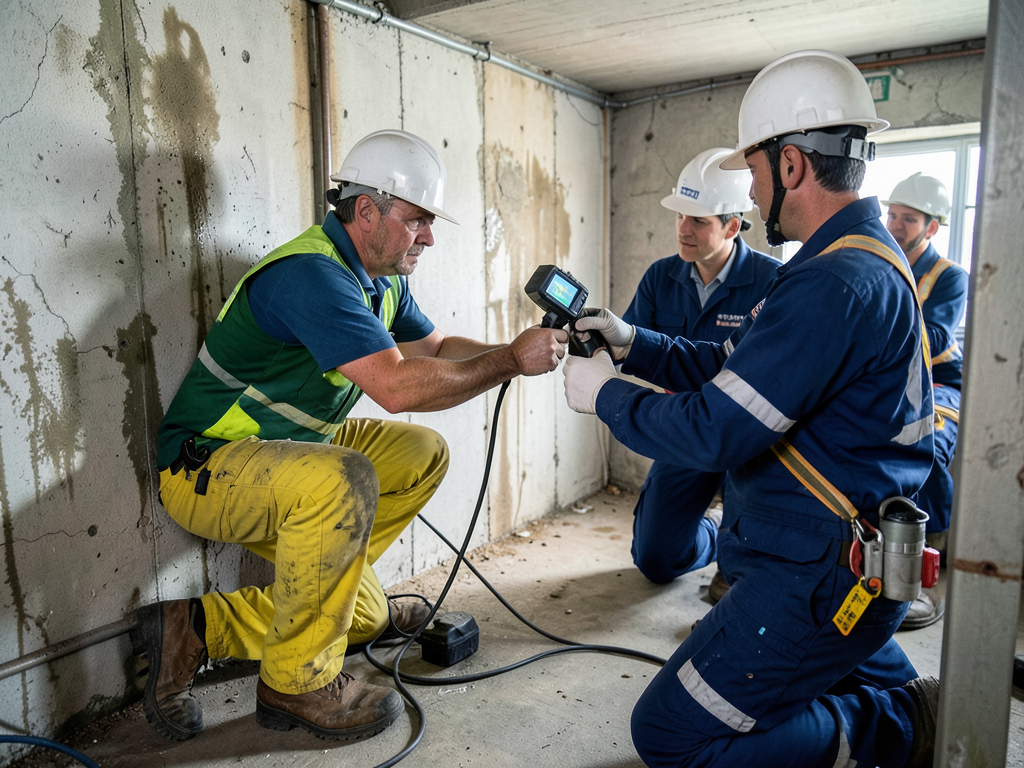
Professional restoration follows a systematic approach based on IICRC S500 standards. The process starts with inspection using thermal imaging cameras and moisture meters to map water migration through walls floors and ceilings. This diagnostic step identifies hidden moisture pockets that DIY methods miss.
Water extraction comes next. Truck-mounted extraction units remove 200 to 300 gallons per minute from flooded basements. This rapid removal prevents structural damage and reduces drying time from weeks to days. The equipment sounds like a jet engine and the floor feels like it is breathing as water gets sucked out. Document Drying & Restoration.
Industrial drying uses commercial dehumidifiers and air movers. Each dehumidifier removes 20 to 25 gallons of moisture daily. Technicians place air movers at 45-degree angles to walls creating vortexes that push moisture out through dehumidifiers. The room temperature rises 5 to 10 degrees during this process.
Sanitization follows drying. Category 3 water from atmospheric rivers contains bacteria viruses and chemicals. EPA-registered antimicrobials kill 99.9% of pathogens. Technicians wear full PPE including respirators and Tyvek suits during this phase. The smell of cleaning agents mixes with the damp earthy odor of floodwater.
Final moisture testing confirms dryness. Technicians use penetrating moisture meters on studs and subfloors. Readings below 16% moisture content indicate safe conditions for reconstruction. This testing prevents mold growth which can start within 48 hours in Portland’s 70% average relative humidity.
Navigating Flood Insurance in Oregon
Standard homeowners insurance excludes groundwater flooding from atmospheric rivers. You need separate National Flood Insurance Program coverage or private flood insurance. NFIP policies cover up to $250000 for structure and $100000 for contents but have 30-day waiting periods.
Oregon requires licensed contractors for flood damage repairs over $500. This law protects homeowners from shoddy work that fails during the next storm. Always verify contractor licensing through Oregon Construction Contractors Board before signing contracts.
Document damage thoroughly for claims. Take date-stamped photos of all affected areas before cleanup. Keep receipts for emergency expenses like hotel stays and equipment rentals. The Federal Emergency Management Agency may declare disasters after major atmospheric river events opening up additional assistance programs.
Portland’s flood zones extend beyond the obvious areas. Johnson Creek floodplain includes parts of Happy Valley and Damascus. The Tualatin River affects Beaverton and Tigard. Even properties outside mapped flood zones can flood from overwhelmed storm drains during atmospheric rivers.
Preventing Future Storm Damage
Install a battery backup for your sump pump. Atmospheric rivers often knock out power for 12 to 24 hours leaving your primary defense useless. A backup system with 8-hour battery life costs $500 to $800 but prevents thousands in flood damage. Safe and fast sewage backup cleanup services in Gresham.
Clean gutters and downspouts before storm season. Portland’s big leaf maples drop massive amounts of debris. Clogged gutters overflow creating foundation saturation. Extend downspouts 6 feet from your foundation using underground drainage pipes.
Grade your landscape away from your home. The soil should slope 6 inches in 10 feet. This simple fix costs nothing but redirects thousands of gallons of water away from your basement during atmospheric rivers.
Consider exterior foundation waterproofing. This involves excavating around your foundation applying waterproof membranes and installing drainage boards. The process costs $5000 to $15000 but reduces hydrostatic pressure by 70%.
Check your sewer lateral for cracks. Tree roots and age cause sewer lines to fail during heavy rains. A broken sewer line creates black water contamination that requires professional remediation. Camera inspections cost $200 to $400 and reveal problems before they cause disasters.
Frequently Asked Questions
How long does water damage restoration take after an atmospheric river?
Water extraction takes 4 to 8 hours for a typical basement. Drying requires 3 to 5 days with commercial equipment. Complete restoration including repairs takes 2 to 4 weeks depending on damage extent and material availability.
Can I clean up flood water myself?
Category 1 clean water from broken supply lines can be DIY cleaned if addressed within 24 hours. Atmospheric river flooding is usually Category 3 black water containing contaminants requiring professional PPE and antimicrobial treatment.
Will my insurance cover atmospheric river damage?
Standard policies exclude groundwater flooding. You need flood insurance for atmospheric river damage. Some policies cover sewer backups if you have the appropriate endorsement. Always call your agent to verify coverage before storms hit.
How do I know if my basement has structural damage?
Cracks wider than 1/8 inch in foundation walls indicate structural stress. Doors and windows that stick after flooding suggest foundation movement. Bowing walls moving more than 1 inch require immediate professional assessment.
What should I do if I find mold after flooding?
Small mold areas under 10 square feet can be cleaned with detergent and water. Larger areas require professional remediation following EPA guidelines. Disturbing mold releases spores so wear N95 masks and contain the area before cleaning.
Portland’s atmospheric rivers will keep coming. The question is not if your home will face flooding but when. Preparation combined with professional restoration when needed protects your property and your family’s health.
Don’t wait until water fills your basement. Call (503) 882-7766 today to schedule a pre-storm inspection and get your home ready for whatever the Pacific throws our way.
Pick up the phone and call (503) 882-7766 before the next storm hits. Every hour of delay multiplies the damage and the cost.
{
“@context”: “https://schema.org”,
“@type”: “BlogPosting”,
“headline”: “How an atmospheric river affects Portland basement flooding and what you should do”,
“description”: “Portland basement flooding from atmospheric rivers requires immediate action. Learn how to protect your home from these powerful Pacific storms.”,
“wordCount”: 1448,
“datePublished”: “2026-06-11T06:05:00.000Z”,
“dateModified”: “2026-06-11T06:05:00.000Z”,
“inLanguage”: “en-US”,
“mainEntityOfPage”: {
“@type”: “WebPage”,
“@id”: “https://evergreenwaterdamagerestorationportland.com”
},
“publisher”: {
“@type”: “LocalBusiness”,
“name”: “Evergreen Water Damage Restoration Portland”,
“url”: “https://evergreenwaterdamagerestorationportland.com”
},
“author”: {
“@type”: “Organization”,
“name”: “Evergreen Water Damage Restoration Portland”,
“url”: “https://evergreenwaterdamagerestorationportland.com”
},
“image”: {
“@type”: “ImageObject”,
“url”: “https://evergreenwaterdamagerestorationportland.com/wp-content/uploads/2026/03/how-an-atmospheric-river-affects-portland-basement-1.png”
}
}
{
“@context”: “https://schema.org”,
“@type”: “LocalBusiness”,
“name”: “Evergreen Water Damage Restoration Portland”,
“url”: “https://evergreenwaterdamagerestorationportland.com”,
“address”: {
“@type”: “PostalAddress”,
“addressLocality”: “Portland”
},
“areaServed”: {
“@type”: “City”,
“name”: “Portland”
}
}
{
“@context”: “https://schema.org”,
“@type”: “FAQPage”,
“mainEntity”: [
{
“@type”: “Question”,
“name”: “How long does water damage restoration take after an atmospheric river?”,
“acceptedAnswer”: {
“@type”: “Answer”,
“text”: “Water extraction takes 4 to 8 hours for a typical basement. Drying requires 3 to 5 days with commercial equipment. Complete restoration including repairs takes 2 to 4 weeks depending on damage extent and material availability.”
}
},
{
“@type”: “Question”,
“name”: “Can I clean up flood water myself?”,
“acceptedAnswer”: {
“@type”: “Answer”,
“text”: “Category 1 clean water from broken supply lines can be DIY cleaned if addressed within 24 hours. Atmospheric river flooding is usually Category 3 black water containing contaminants requiring professional PPE and antimicrobial treatment.”
}
},
{
“@type”: “Question”,
“name”: “Will my insurance cover atmospheric river damage?”,
“acceptedAnswer”: {
“@type”: “Answer”,
“text”: “Standard policies exclude groundwater flooding. You need flood insurance for atmospheric river damage. Some policies cover sewer backups if you have the appropriate endorsement. Always call your agent to verify coverage before storms hit.”
}
},
{
“@type”: “Question”,
“name”: “How do I know if my basement has structural damage?”,
“acceptedAnswer”: {
“@type”: “Answer”,
“text”: “Cracks wider than 1/8 inch in foundation walls indicate structural stress. Doors and windows that stick after flooding suggest foundation movement. Bowing walls moving more than 1 inch require immediate professional assessment.”
}
},
{
“@type”: “Question”,
“name”: “What should I do if I find mold after flooding?”,
“acceptedAnswer”: {
“@type”: “Answer”,
“text”: “Small mold areas under 10 square feet can be cleaned with detergent and water. Larger areas require professional remediation following EPA guidelines. Disturbing mold releases spores so wear N95 masks and contain the area before cleaning.”
}
}
]
}
{
“@context”: “https://schema.org”,
“@type”: “BreadcrumbList”,
“itemListElement”: [
{
“@type”: “ListItem”,
“position”: 1,
“name”: “Home”,
“item”: “https://evergreenwaterdamagerestorationportland.com”
},
{
“@type”: “ListItem”,
“position”: 2,
“name”: “Blog”,
“item”: “https://evergreenwaterdamagerestorationportland.com/blog”
},
{
“@type”: “ListItem”,
“position”: 3,
“name”: “How an atmospheric river affects Portland basement flooding and what you should do”
}
]
}
{
“@context”: “https://schema.org”,
“@type”: “Service”,
“serviceType”: “Water Damage Restoration”,
“provider”: {
“@type”: “LocalBusiness”,
“name”: “Evergreen Water Damage Restoration Portland”,
“url”: “https://evergreenwaterdamagerestorationportland.com”
},
“areaServed”: {
“@type”: “City”,
“name”: “Portland”
},
“description”: “Portland basement flooding from atmospheric rivers requires immediate action. Learn how to protect your home from these powerful Pacific storms.”
}