
Professional Air Scrubbers for Mold Removal in Portland, OR
When mold spores become airborne during remediation, they create a serious health hazard that standard home air purifiers cannot adequately address. Industrial air scrubbers operate on a completely different level, using commercial-grade HEPA filtration systems that capture particles as small as 0.3 microns with 99.97% efficiency. This makes them essential for containing and removing the microscopic mold spores that standard residential units miss. EPA Mold Resources.
The Pacific Northwest’s persistent moisture creates ideal conditions for mold growth, particularly in Portland’s older homes with crawlspaces and basements. When disturbed during remediation, mold releases thousands of microscopic spores that can travel throughout a home’s air system. Professional air scrubbers create a controlled environment where these spores are captured before they can spread to other areas, protecting both occupants and the rest of the property. Professional mold removal and remediation for Beaverton homeowners.
Understanding the technical differences between industrial and residential air cleaning equipment helps property owners make informed decisions about mold remediation. The right equipment, combined with proper containment protocols, ensures that mold problems are resolved completely rather than simply being redistributed throughout the home.
What is an Air Scrubber and Why is it Critical for Mold Remediation?
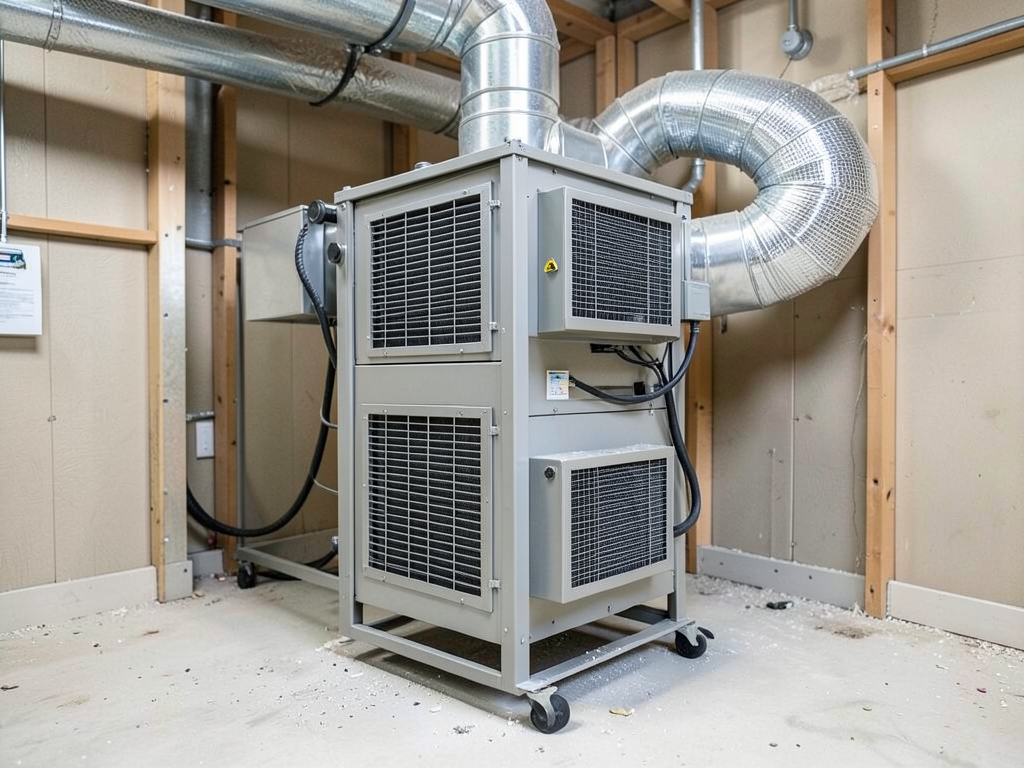
An air scrubber is a portable filtration system that removes particles, chemicals, and odors from the air within a contained area. Unlike home air purifiers that filter air already present in a room, industrial air scrubbers actively draw contaminated air through multiple filtration stages, creating negative air pressure that prevents mold spores from escaping the work zone.
During mold remediation, disturbing contaminated materials releases thousands of microscopic spores into the air. These spores, ranging from 0.3 to 100 microns in size, become airborne and can travel throughout a home’s HVAC system. Industrial air scrubbers address this by continuously filtering the air at high volumes, typically processing 500 to 2,000 cubic feet per minute depending on the unit size.
The critical difference lies in the containment strategy. While a home air purifier might clean the air in a single room, an industrial air scrubber creates a sealed environment where contaminated air is continuously removed and filtered. This prevents cross-contamination to other areas of the home, which is essential for effective mold remediation according to IICRC S520 standards for mold remediation. IICRC S520 Standard.
How Air Scrubbers Work: The Science of HEPA Filtration
Industrial air scrubbers utilize multi-stage filtration systems that far exceed the capabilities of residential units. The process begins with a pre-filter that captures larger particles like dust and debris, protecting the more expensive HEPA filter from premature clogging. This extends the life of the primary filtration system while maintaining optimal airflow.
The heart of the system is the True HEPA filter, which stands for High-Efficiency Particulate Air. These filters must meet strict Department of Energy standards, capturing at least 99.97% of particles that are 0.3 microns in diameter. This size is particularly important because it represents the most penetrating particle size – smaller and larger particles are actually captured more efficiently by the filter’s mechanisms.
Beyond HEPA filtration, many industrial units incorporate activated carbon filters that absorb volatile organic compounds (VOCs), musty odors, and other gaseous contaminants released during mold growth. Some advanced systems also feature UV-C light sterilization that neutralizes airborne bacteria and viruses, providing an additional layer of protection during the remediation process.
The effectiveness of air scrubbing is measured in Air Changes Per Hour (ACH). A typical residential room might require 4-6 ACH for adequate air cleaning, while a mold remediation zone often needs 6-12 ACH or more to maintain negative pressure and ensure complete spore removal. This high-volume air processing is what makes industrial equipment essential for professional mold remediation.
Negative Air Pressure vs. Air Scrubbing
Negative air pressure is the cornerstone of effective mold containment, creating a pressure differential that prevents contaminated air from escaping the work area. Industrial air scrubbers achieve this by exhausting more air out of the contained space than enters it, creating a vacuum effect that draws air inward through any gaps or openings.
This pressure differential is established using specialized ducting that vents filtered air outside the building or into a separate containment area. The result is a controlled environment where airborne contaminants cannot escape to unaffected areas. Home air purifiers lack this capability entirely, as they simply recirculate air within a room without creating any pressure differential.
Professional remediation teams use manometers to measure and maintain the correct pressure differential, typically aiming for 0.02 to 0.03 inches of water column pressure. This precise control ensures that the containment remains effective throughout the remediation process, even as work progresses and the configuration of the space changes. Water damage restoration for Hillsboro offices and commercial spaces.
The combination of negative pressure and high-volume air scrubbing creates a fail-safe system. Even if minor containment breaches occur, the pressure differential prevents contaminated air from flowing outward. This redundancy is critical for protecting occupants and preventing mold spread to clean areas of the home.
The Portland Climate Factor
Portland’s unique climate creates conditions that make professional air scrubbing particularly important for mold remediation. The Willamette Valley experiences an average of 43 inches of annual rainfall, with relative humidity levels frequently exceeding 80% during fall and winter months. This persistent moisture creates ideal conditions for mold growth in building materials and crawlspaces.
Many Portland homes, particularly those built before 1980, feature construction methods that are vulnerable to moisture intrusion. Balloon framing, lack of vapor barriers, and crawlspaces without proper ventilation create hidden areas where mold can thrive undetected. When remediation begins in these spaces, the sudden disturbance releases decades of accumulated spores into the air.
The region’s clay soil composition, a legacy of Missoula Flood deposits, contributes to poor drainage around foundations. This causes water to accumulate near basement walls and crawlspace vents, creating chronic moisture problems that support mold growth. Professional air scrubbing becomes essential when addressing these long-term moisture issues during remediation. Emergency water damage restoration in Portland that arrives in under an hour.
Portland’s building codes, aligned with Oregon Residential Specialty Code requirements, mandate specific containment and air quality standards for mold remediation projects. These regulations recognize the unique challenges posed by the local climate and require professional-grade equipment to ensure remediation meets health and safety standards.
Our Process: Integrating Air Scrubbers into Water Damage Restoration
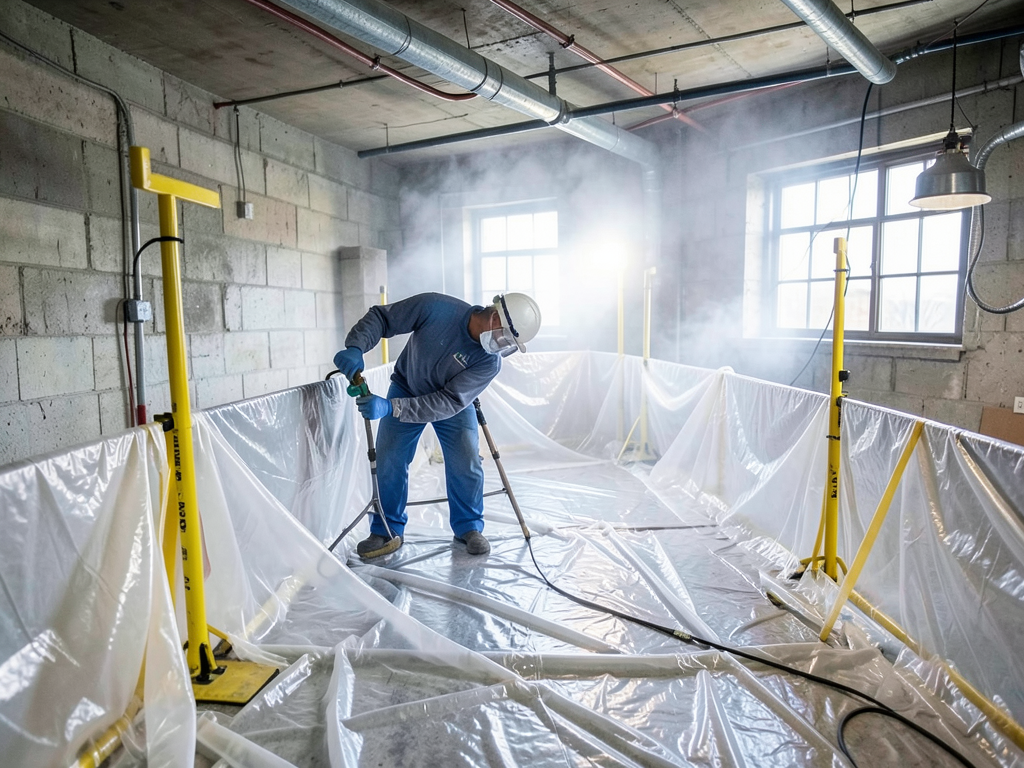
Professional mold remediation follows a systematic approach that integrates air scrubbing from the initial assessment through final clearance testing. The process begins with establishing containment barriers using 6-mil polyethylene sheeting and creating sealed entry and exit points for equipment and personnel.
Once containment is established, industrial air scrubbers are positioned to create negative pressure within the work zone. Multiple units are often deployed depending on the size of the area and the severity of contamination. Each unit is connected to exterior venting or a separate containment area to ensure continuous removal of contaminated air.
During the remediation process, air scrubbers operate continuously, processing the entire air volume in the containment area multiple times per hour. This constant filtration captures mold spores released during demolition, cleaning, and treatment procedures. The high-volume airflow also helps control dust and debris, maintaining a safer work environment.
Final clearance testing involves independent verification that spore counts have returned to normal levels. This testing typically includes air sampling both inside and outside the containment area to confirm that remediation was successful and that no cross-contamination occurred during the process.
- Initial Assessment and Containment Setup
Technicians evaluate the extent of mold growth and establish containment barriers using polyethylene sheeting and negative air pressure systems.
- Industrial Air Scrubber Deployment
Multiple HEPA-filtered air scrubbers are positioned to create and maintain negative pressure while continuously filtering airborne contaminants.
- Remediation and Continuous Monitoring
Contaminated materials are removed and treated while air scrubbers operate continuously, with pressure differentials monitored throughout the process.
- Clearance Testing and Final Verification
Independent testing confirms that spore counts have returned to normal levels and that no cross-contamination occurred.
Frequently Asked Questions
Can I use a home air purifier instead of renting industrial equipment?
Home air purifiers lack the power, filtration efficiency, and negative pressure capabilities required for professional mold remediation. While they may help improve general air quality, they cannot prevent cross-contamination or capture the high volume of spores released during remediation. Professional equipment is essential for effective mold removal.
How much does professional air scrubbing cost for mold remediation?
Industrial air scrubber rental typically ranges from $150 to $400 per day depending on the unit size and filtration capacity. Most mold remediation projects require multiple units operating for several days, making professional equipment a significant but necessary investment for complete remediation.
Are air scrubbers noisy during operation?
Industrial air scrubbers generate substantial noise, typically 65-85 decibels, similar to a vacuum cleaner or power tool. This noise level is a necessary trade-off for the high-volume air processing required for effective mold remediation. Ear protection is recommended for anyone working in the containment area.
How long should air scrubbers run during mold remediation?
Air scrubbers should operate continuously throughout the entire remediation process, from initial containment setup through final clearance testing. Most projects require 48-96 hours of continuous operation, with equipment running 24/7 to maintain proper negative pressure and air quality.
Do I need air scrubbing for small mold spots?
According to IICRC S520 standards, any mold remediation project affecting more than 10 square feet requires professional containment and air scrubbing. Even smaller areas may require these precautions if they involve toxic mold species or are located in sensitive areas like HVAC systems or near occupants with respiratory conditions.
Protecting Your Portland Home from Mold Spread
The decision between industrial air scrubbers and home air purifiers for mold remediation ultimately comes down to effectiveness and safety. While residential units may seem cost-effective initially, they cannot provide the containment and filtration capabilities required for professional mold remediation. The risk of cross-contamination and incomplete removal far outweighs any potential savings.
Portland’s climate and building characteristics create unique challenges that demand professional-grade solutions. The combination of high humidity, older home construction, and local soil conditions means that mold remediation requires specialized equipment and expertise to be completed safely and effectively.
Professional air scrubbing is not just about cleaning the air; it’s about creating a controlled environment where mold can be removed without spreading to other areas of your home. This systematic approach, combined with proper containment and verification testing, ensures that mold problems are resolved completely rather than simply being moved to another location.
Don’t risk your family’s health or your home’s structural integrity with inadequate equipment. Professional mold remediation with industrial air scrubbing provides the protection and effectiveness that home units simply cannot match. The investment in proper equipment and expertise pays dividends in complete remediation and long-term peace of mind.
Call (503) 882-7766 today to schedule your inspection and learn how our professional air scrubbing systems can protect your Portland home during mold remediation.
Pick up the phone and call (503) 882-7766 before the next storm hits. Our industrial-grade air scrubbers and certified technicians are ready to handle your mold remediation needs with the professionalism and expertise that Portland homeowners deserve.
{
“@context”: “https://schema.org”,
“@type”: “BlogPosting”,
“headline”: “Comparing industrial air scrubbers and home air purifiers for mold remediation”,
“description”: “Discover why industrial air scrubbers outperform home purifiers for mold remediation in Portland. Learn about HEPA filtration, negative air pressure, and local climate factors.”,
“wordCount”: 1867,
“datePublished”: “2026-05-04T12:45:00.000Z”,
“dateModified”: “2026-05-04T12:45:00.000Z”,
“inLanguage”: “en-US”,
“mainEntityOfPage”: {
“@type”: “WebPage”,
“@id”: “https://evergreenwaterdamagerestorationportland.com”
},
“publisher”: {
“@type”: “LocalBusiness”,
“name”: “Evergreen Water Damage Restoration Portland”,
“url”: “https://evergreenwaterdamagerestorationportland.com”
},
“author”: {
“@type”: “Organization”,
“name”: “Evergreen Water Damage Restoration Portland”,
“url”: “https://evergreenwaterdamagerestorationportland.com”
},
“image”: {
“@type”: “ImageObject”,
“url”: “https://evergreenwaterdamagerestorationportland.com/wp-content/uploads/2026/03/comparing-industrial-air-scrubbers-and-home-air-pu-1.png”
}
}
{
“@context”: “https://schema.org”,
“@type”: “LocalBusiness”,
“name”: “Evergreen Water Damage Restoration Portland”,
“url”: “https://evergreenwaterdamagerestorationportland.com”,
“address”: {
“@type”: “PostalAddress”,
“addressLocality”: “Portland”
},
“areaServed”: {
“@type”: “City”,
“name”: “Portland”
}
}
{
“@context”: “https://schema.org”,
“@type”: “FAQPage”,
“mainEntity”: [
{
“@type”: “Question”,
“name”: “What is an Air Scrubber and Why is it Critical for Mold Remediation?”,
“acceptedAnswer”: {
“@type”: “Answer”,
“text”: “An air scrubber is a portable filtration system that removes particles, chemicals, and odors from the air within a contained area. Unlike home air purifiers that filter air already present in a room, industrial air scrubbers actively draw contaminated air through multiple filtration stages, creating negative air pressure that prevents mold spores from escaping the work zone.”
}
},
{
“@type”: “Question”,
“name”: “Can I use a home air purifier instead of renting industrial equipment?”,
“acceptedAnswer”: {
“@type”: “Answer”,
“text”: “Home air purifiers lack the power, filtration efficiency, and negative pressure capabilities required for professional mold remediation. While they may help improve general air quality, they cannot prevent cross-contamination or capture the high volume of spores released during remediation. Professional equipment is essential for effective mold removal.”
}
},
{
“@type”: “Question”,
“name”: “How much does professional air scrubbing cost for mold remediation?”,
“acceptedAnswer”: {
“@type”: “Answer”,
“text”: “Industrial air scrubber rental typically ranges from $150 to $400 per day depending on the unit size and filtration capacity. Most mold remediation projects require multiple units operating for several days, making professional equipment a significant but necessary investment for complete remediation.”
}
},
{
“@type”: “Question”,
“name”: “Are air scrubbers noisy during operation?”,
“acceptedAnswer”: {
“@type”: “Answer”,
“text”: “Industrial air scrubbers generate substantial noise, typically 65-85 decibels, similar to a vacuum cleaner or power tool. This noise level is a necessary trade-off for the high-volume air processing required for effective mold remediation. Ear protection is recommended for anyone working in the containment area.”
}
},
{
“@type”: “Question”,
“name”: “How long should air scrubbers run during mold remediation?”,
“acceptedAnswer”: {
“@type”: “Answer”,
“text”: “Air scrubbers should operate continuously throughout the entire remediation process, from initial containment setup through final clearance testing. Most projects require 48-96 hours of continuous operation, with equipment running 24/7 to maintain proper negative pressure and air quality.”
}
},
{
“@type”: “Question”,
“name”: “Do I need air scrubbing for small mold spots?”,
“acceptedAnswer”: {
“@type”: “Answer”,
“text”: “According to IICRC S520 standards, any mold remediation project affecting more than 10 square feet requires professional containment and air scrubbing. Even smaller areas may require these precautions if they involve toxic mold species or are located in sensitive areas like HVAC systems or near occupants with respiratory conditions.”
}
}
]
}
{
“@context”: “https://schema.org”,
“@type”: “HowTo”,
“name”: “Professional Mold Remediation Process”,
“step”: [
{
“@type”: “HowToStep”,
“position”: 1,
“name”: “Initial Assessment and Containment Setup”,
“text”: “Technicians evaluate the extent of mold growth and establish containment barriers using polyethylene sheeting and negative air pressure systems.”
},
{
“@type”: “HowToStep”,
“position”: 2,
“name”: “Industrial Air Scrubber Deployment”,
“text”: “Multiple HEPA-filtered air scrubbers are positioned to create and maintain negative pressure while continuously filtering airborne contaminants.”
},
{
“@type”: “HowToStep”,
“position”: 3,
“name”: “Remediation and Continuous Monitoring”,
“text”: “Contaminated materials are removed and treated while air scrubbers operate continuously, with pressure differentials monitored throughout the process.”
},
{
“@type”: “HowToStep”,
“position”: 4,
“name”: “Clearance Testing and Final Verification”,
“text”: “Independent testing confirms that spore counts have returned to normal levels and that no cross-contamination occurred.”
}
],
“image”: “https://evergreenwaterdamagerestorationportland.com/wp-content/uploads/2026/03/comparing-industrial-air-scrubbers-and-home-air-pu-1.png”
}
{
“@context”: “https://schema.org”,
“@type”: “BreadcrumbList”,
“itemListElement”: [
{
“@type”: “ListItem”,
“position”: 1,
“name”: “Home”,
“item”: “https://evergreenwaterdamagerestorationportland.com”
},
{
“@type”: “ListItem”,
“position”: 2,
“name”: “Blog”,
“item”: “https://evergreenwaterdamagerestorationportland.com/blog”
},
{
“@type”: “ListItem”,
“position”: 3,
“name”: “Comparing industrial air scrubbers and home air purifiers for mold remediation”
}
]
}
{
“@context”: “https://schema.org”,
“@type”: “Service”,
“serviceType”: “Water Damage Restoration”,
“provider”: {
“@type”: “LocalBusiness”,
“name”: “Evergreen Water Damage Restoration Portland”,
“url”: “https://evergreenwaterdamagerestorationportland.com”
},
“areaServed”: {
“@type”: “City”,
“name”: “Portland”
},
“description”: “Discover why industrial air scrubbers outperform home purifiers for mold remediation in Portland. Learn about HEPA filtration, negative air pressure, and local climate factors.”
}