
How to identify Category 3 black water and why you shouldn’t try to clean it yourself
When water floods your Portland home from a sewer backup or river overflow, you’re facing a Category 3 black water emergency. This isn’t just dirty water. It’s a biological hazard containing raw sewage, chemicals, and pathogens that can make your family seriously ill within hours. The Portland Bureau of Environmental Services reports that during heavy rainfall, the city’s combined sewer system overflows into basements and streets, creating exactly this dangerous situation. Safe and fast sewage backup cleanup services in Gresham.
Category 3 water contains everything from E. coli and hepatitis viruses to industrial chemicals and pesticides. Unlike clean water from a broken pipe or even grey water from a washing machine, black water requires professional-grade equipment, specialized training, and strict safety protocols. The Willamette Valley’s high water table and Portland’s aging clay sewer pipes mean many older homes in neighborhoods like Sellwood and Eastmoreland are especially vulnerable to these backups. EPA National Pollutant Discharge Elimination System.
What makes water Category 3
According to the IICRC S500 Standard for Professional Water Damage Restoration, Category 3 water is defined as water that contains pathogenic agents and is grossly unsanitary. This includes sewage, toilet backflows from beyond the trap, and flooding from seawater, rivers, or streams. The water carries silt, organic matter, and potentially toxic substances that standard cleaning products cannot neutralize. IICRC S500 Water Damage Restoration Standard.
Portland’s unique geography creates specific Category 3 scenarios. The city sits in a valley where the Willamette River can rise quickly during atmospheric river events. When this happens, combined sewer overflows discharge directly into streets and basements. The clay soils from Missoula Flood deposits around Portland also mean poor drainage, forcing water to find the path of least resistance through foundation cracks and sewer cleanouts. Water damage restoration for Hillsboro offices and commercial spaces.
Immediate health risks of Category 3 exposure
Category 3 water contains multiple pathogens that cause severe illness. E. coli bacteria can cause kidney failure within days. Hepatitis A virus leads to liver inflammation and jaundice. Giardia parasites create chronic digestive problems. These organisms enter your body through skin contact, inhalation of contaminated mist, or accidental ingestion. Emergency water damage restoration in Portland that arrives in under an hour.
The Portland area’s high humidity accelerates mold growth after black water exposure. Stachybotrys chartarum, the toxic black mold, can begin colonizing wet materials within 24-48 hours. This mold produces mycotoxins that cause respiratory problems, headaches, and immune system suppression. Children, elderly family members, and people with respiratory conditions face the highest risk of serious complications.. Read more about Developing a water damage response plan for your Central Eastside brewery or restaurant.
Chemical contaminants in Category 3 water vary by source. River water may contain agricultural runoff with pesticides and fertilizers. Sewage carries household chemicals, medications, and industrial waste. Portland’s older neighborhoods often have lead service lines that can leach into flood water, creating additional heavy metal exposure risks.. Read more about Your rights and next steps when a Portland landlord ignores water damage in your rental.
Portland-specific risk factors
Portland’s combined sewer system is a major contributor to Category 3 flooding. The system carries both stormwater and sewage in the same pipes. During heavy rain events, the system exceeds capacity and overflows into the Willamette River and local waterways. This contaminated water then backs up through basement floor drains and sewer cleanouts.
The Oregon Department of Environmental Quality reports that Portland experiences an average of 50 combined sewer overflow events annually. These typically occur during winter months when atmospheric rivers bring intense rainfall to the Willamette Valley. Homes built before 1950 in areas like Irvington and Alameda are most vulnerable due to older plumbing infrastructure.
Portland’s building codes require backwater valves in new construction, but many older homes lack this protection. The Oregon Residential Specialty Code Section R323.1.4 mandates these devices, but retrofitting existing homes is expensive and often overlooked until a backup occurs. Without a backwater valve, sewage has nowhere to go but up through your drains when city lines are overwhelmed.
Why DIY cleanup is hazardous
Household cleaning products cannot adequately disinfect Category 3 water damage. Standard bleach solutions may kill some bacteria on hard surfaces but cannot penetrate porous materials where pathogens hide. Carpeting, drywall, insulation, and wood framing absorb contaminated water deep into their structures. Even if the surface appears clean, dangerous organisms remain active inside the materials.. Read more about How to tell if your carpet is salvageable after a clean water leak in your Kerns bungalow.
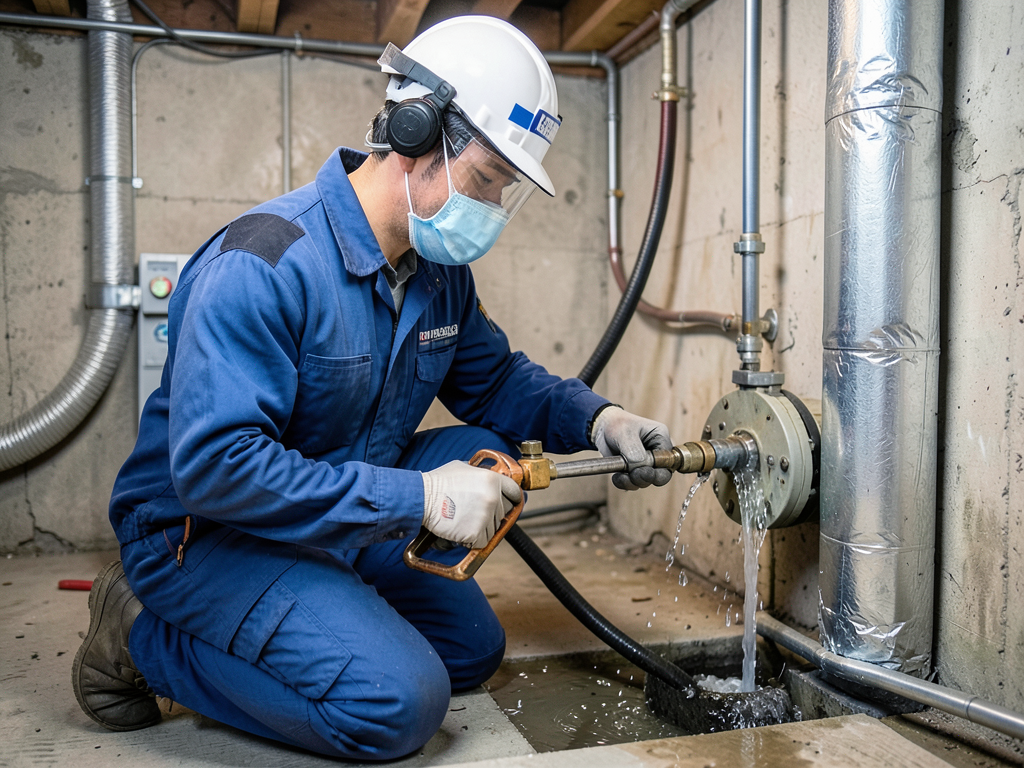
Professional restoration requires specific personal protective equipment (PPE) that homeowners typically don’t own. The Occupational Safety and Health Administration (OSHA) mandates full-body suits, chemical-resistant gloves, rubber boots, and respirators for Category 3 water remediation. Without this equipment, you risk exposure to airborne pathogens and chemical contaminants during the cleanup process. Professional mold removal and remediation for Beaverton homeowners.
Structural damage from black water often goes unnoticed by untrained eyes. Water weakens wood framing, corrodes metal fasteners, and compromises electrical systems. Portland’s common Douglas fir construction absorbs water readily and can develop hidden rot that causes structural failure months after the initial flood. Professional moisture meters and thermal imaging cameras are needed to detect these hidden hazards.
The professional restoration process
Professional Category 3 remediation follows strict protocols established by the IICRC S500 Standard. The first step involves complete containment of the affected area using 6-mil polyethylene sheeting and negative air pressure to prevent cross-contamination. Technicians then remove all porous materials that cannot be properly disinfected, including carpeting, padding, drywall, and insulation.
High-powered extraction equipment removes standing water while antimicrobial treatments are applied to remaining surfaces. The Oregon Department of Environmental Quality requires proper disposal of contaminated materials at licensed facilities. Standard trash collection cannot handle Category 3 waste due to the biological hazards involved.
Drying and dehumidification follow removal of contaminated materials. Industrial air movers and dehumidifiers reduce moisture content to safe levels, typically below 16% for wood materials. Moisture meters track progress, ensuring complete drying before reconstruction begins. This process often takes 3-5 days depending on the extent of damage and Portland’s ambient humidity levels.. Read more about Comparing industrial air scrubbers and home air purifiers for mold remediation.
Insurance claim documentation for Portland residents
Portland homeowners insurance typically covers sudden and accidental water damage but excludes flood damage from external sources. The National Flood Insurance Program defines flooding as water that enters your home from outside, while sewer backup coverage requires a separate endorsement. Many Portland residents discover too late that their standard policy doesn’t cover Category 3 water from river flooding or combined sewer overflows.
Professional restoration companies document damage using moisture mapping, photo documentation, and detailed inventories of removed materials. This documentation supports insurance claims and helps determine coverage eligibility. The documentation process includes moisture readings from unaffected areas to establish pre-loss conditions and prove that damage extends beyond visible surfaces.
Portland’s building department requires permits for reconstruction after Category 3 water damage. The permit process ensures that repairs meet current building codes, including proper waterproofing and backwater valve installation. Skipping permits can create problems when selling your home and may void insurance coverage for future incidents.
Prevention and emergency response
Installing a backwater valve is the single most effective prevention measure for Category 3 flooding. These devices allow water to flow out of your home but close automatically when sewage backs up from the city lines. The City of Portland offers rebates up to $1,500 for backwater valve installation through the Clean River Rewards program.
During heavy rainfall, avoid using water-intensive appliances like washing machines and dishwashers. This reduces the volume of water entering your home’s plumbing system and the city’s combined sewers. Keep floor drains clear of debris and test your sump pump regularly if you have one. Portland’s clay soils mean many homes rely on sump pumps to manage groundwater during wet seasons. Washing Machine Overflow Cleanup.
Prepare an emergency response kit including rubber boots, gloves, and a battery-powered flashlight. Know where your main water shutoff valve and electrical panel are located. If Category 3 water enters your home, evacuate immediately and call professionals. Don’t risk exposure trying to save belongings or stop the flooding yourself.
Health monitoring after exposure
Even brief exposure to Category 3 water can cause health problems that appear days or weeks later. Watch for symptoms including fever, severe diarrhea, vomiting, jaundice, or unusual rashes. These may indicate bacterial or viral infections from pathogens in the contaminated water. Children and elderly family members should see a doctor immediately if they show any symptoms after exposure.
Respiratory problems can develop from mold exposure even after the water is gone. Persistent coughing, wheezing, or sinus infections may indicate toxic mold growth in hidden areas. The Centers for Disease Control and Prevention recommends professional mold testing if anyone in your household develops respiratory symptoms after a flood event.
Document all health symptoms and doctor visits. This documentation may be necessary for insurance claims or potential legal action if the flooding resulted from municipal negligence. Keep records of all expenses related to the incident, including temporary housing, medical bills, and professional remediation costs.
Environmental impact and proper disposal
Category 3 water contains contaminants that harm the environment if not disposed of properly. Portland’s Department of Environmental Quality enforces strict regulations on biohazardous waste disposal. Contaminated materials must go to licensed facilities that can handle biological hazards, not standard landfills where they could contaminate groundwater.
Professional restoration companies partner with certified disposal facilities that follow EPA guidelines for hazardous waste. This includes proper packaging, labeling, and transportation of contaminated materials. Attempting to dispose of these materials yourself can result in fines and environmental damage to local waterways.
The cleanup process also involves preventing future contamination. This includes proper sanitization of salvageable items, thorough cleaning of HVAC systems that may have been exposed to contaminated air, and ensuring that all affected areas are completely dry to prevent mold growth.
Legal and liability considerations
Property owners have a duty to maintain their plumbing systems and prevent Category 3 water from affecting neighboring properties. If your negligence contributes to a backup that damages adjacent homes, you could be held liable for those damages. Regular maintenance of backwater valves and proper disposal of grease and wipes helps prevent backups that could create liability issues.
Portland’s building codes require proper grading around foundations to direct water away from structures. Failure to maintain proper drainage can be considered negligence if it contributes to basement flooding. The city may also cite property owners for code violations discovered during Category 3 water damage remediation.
Contractors performing Category 3 remediation must be properly licensed and insured. The Oregon Construction Contractors Board requires specific certifications for water damage restoration work. Hiring unlicensed contractors for this dangerous work can void insurance coverage and create liability issues if the work is performed incorrectly.
Cost factors in professional remediation
Category 3 water damage remediation costs vary based on several factors. The extent of contamination, size of the affected area, and types of materials involved all impact the total cost. Portland’s higher cost of living means labor rates for professional restoration are typically 15-20% above national averages.
Insurance coverage significantly affects out-of-pocket costs. While sudden and accidental damage is often covered, gradual issues like poor drainage or lack of maintenance are typically excluded. The deductible amount and coverage limits also determine your financial responsibility for the remediation process.
Professional remediation may seem expensive initially, but attempting DIY cleanup often costs more in the long run. Hidden damage, incomplete sanitization, and mold growth can lead to structural repairs, health issues, and decreased property value that far exceed the cost of professional initial remediation.
Frequently Asked Questions
How can I tell if water in my home is Category 3?
Category 3 water typically has a foul odor, may contain visible sewage or debris, and often comes from sewer backups, river flooding, or toilet overflows. If you’re unsure about the source or contamination level, treat all flood water as Category 3 and call professionals immediately.
How long does Category 3 water damage take to remediate?
Professional Category 3 remediation typically takes 3-7 days depending on the extent of damage. This includes water extraction, material removal, antimicrobial treatment, drying, and final cleaning. Rushing this process can leave hidden contamination that causes problems later.
Will my homeowners insurance cover Category 3 water damage?
Coverage depends on the source of the water. Sudden and accidental damage from internal plumbing is usually covered, but flood damage from external sources requires separate flood insurance. Sewer backup coverage requires an additional endorsement on most policies.
Emergency steps to take when Category 3 water enters your home
If you discover Category 3 water in your Portland home, take these immediate steps:
- Evacuate all people and pets from the affected area immediately
- Turn off electricity to the affected area if safe to do so
- Close doors to contain contamination if possible
- Call (503) 882-7766 for 24/7 emergency professional response
- Contact your insurance company to report the incident
Never attempt to clean up Category 3 water yourself. The health risks are too severe and the contamination too extensive for household cleaning methods to be effective. Professional equipment and training are essential for safe and complete remediation.
Portland’s unique geography and infrastructure create specific challenges for Category 3 water damage. The city’s combined sewer system, high water table, and aging infrastructure mean many homes are vulnerable to these dangerous backups. Understanding the risks and knowing when to call professionals can protect your family’s health and your property’s value.. Read more about Understanding the difference between a sewer backup and surface water flooding in Portland.
Category 3 water damage is not a DIY project. The health risks, structural hazards, and environmental regulations make professional remediation essential. If you’re facing a black water emergency in your Portland home, call (503) 882-7766 now for immediate 24/7 response. Our certified technicians have the equipment, training, and experience to safely restore your home and protect your family’s health. For more information, visit CDC Emergency Water Disinfection Guidelines.
{
“@context”: “https://schema.org”,
“@type”: “BlogPosting”,
“headline”: “How to identify Category 3 black water and why you shouldn’t try to clean it yourself”,
“description”: “Learn how to identify Category 3 black water in Portland, understand the serious health risks, and why professional cleanup is essential. Call (503) 882-7766.”,
“wordCount”: 2280,
“datePublished”: “2026-04-28T06:40:00.000Z”,
“dateModified”: “2026-04-28T06:40:00.000Z”,
“inLanguage”: “en-US”,
“mainEntityOfPage”: {
“@type”: “WebPage”,
“@id”: “https://evergreenwaterdamagerestorationportland.com”
},
“publisher”: {
“@type”: “LocalBusiness”,
“name”: “Evergreen Water Damage Restoration Portland”,
“url”: “https://evergreenwaterdamagerestorationportland.com”
},
“author”: {
“@type”: “Organization”,
“name”: “Evergreen Water Damage Restoration Portland”,
“url”: “https://evergreenwaterdamagerestorationportland.com”
},
“image”: {
“@type”: “ImageObject”,
“url”: “https://evergreenwaterdamagerestorationportland.com/wp-content/uploads/2026/03/how-to-identify-category-3-black-water-and-why-you-1.png”
}
}
{
“@context”: “https://schema.org”,
“@type”: “LocalBusiness”,
“name”: “Evergreen Water Damage Restoration Portland”,
“url”: “https://evergreenwaterdamagerestorationportland.com”,
“address”: {
“@type”: “PostalAddress”,
“addressLocality”: “Portland”
},
“areaServed”: {
“@type”: “City”,
“name”: “Portland”
}
}
{
“@context”: “https://schema.org”,
“@type”: “FAQPage”,
“mainEntity”: [
{
“@type”: “Question”,
“name”: “How can I tell if water in my home is Category 3?”,
“acceptedAnswer”: {
“@type”: “Answer”,
“text”: “Category 3 water typically has a foul odor, may contain visible sewage or debris, and often comes from sewer backups, river flooding, or toilet overflows. If you’re unsure about the source or contamination level, treat all flood water as Category 3 and call professionals immediately.”
}
},
{
“@type”: “Question”,
“name”: “How long does Category 3 water damage take to remediate?”,
“acceptedAnswer”: {
“@type”: “Answer”,
“text”: “Professional Category 3 remediation typically takes 3-7 days depending on the extent of damage. This includes water extraction, material removal, antimicrobial treatment, drying, and final cleaning. Rushing this process can leave hidden contamination that causes problems later.”
}
},
{
“@type”: “Question”,
“name”: “Will my homeowners insurance cover Category 3 water damage?”,
“acceptedAnswer”: {
“@type”: “Answer”,
“text”: “Coverage depends on the source of the water. Sudden and accidental damage from internal plumbing is usually covered, but flood damage from external sources requires separate flood insurance. Sewer backup coverage requires an additional endorsement on most policies.”
}
}
]
}
{
“@context”: “https://schema.org”,
“@type”: “BreadcrumbList”,
“itemListElement”: [
{
“@type”: “ListItem”,
“position”: 1,
“name”: “Home”,
“item”: “https://evergreenwaterdamagerestorationportland.com”
},
{
“@type”: “ListItem”,
“position”: 2,
“name”: “Blog”,
“item”: “https://evergreenwaterdamagerestorationportland.com/blog”
},
{
“@type”: “ListItem”,
“position”: 3,
“name”: “How to identify Category 3 black water and why you shouldn’t try to clean it yourself”
}
]
}
{
“@context”: “https://schema.org”,
“@type”: “Service”,
“serviceType”: “Water Damage Restoration”,
“provider”: {
“@type”: “LocalBusiness”,
“name”: “Evergreen Water Damage Restoration Portland”,
“url”: “https://evergreenwaterdamagerestorationportland.com”
},
“areaServed”: {
“@type”: “City”,
“name”: “Portland”
},
“description”: “Learn how to identify Category 3 black water in Portland, understand the serious health risks, and why professional cleanup is essential. Call (503) 882-7766.”
}