
How to spot the difference between seasonal condensation and a serious wall leak in your Mt. Scott home
Finding moisture on your walls can trigger immediate panic. Is it a seasonal condensation issue that will resolve itself or a serious water leak that could lead to mold growth and structural damage? In Mt. Scott’s unique climate, where winter temperatures often hover around 40 degrees while your heated home sits at 70, the line between these two problems can be surprisingly thin. This guide will help you diagnose the issue using proven moisture detection methods and understand when it’s time to call in the professionals. Finding a reliable team for basement flood cleanup in Lake Oswego.
The Quick Diagnostic: 3 Ways to Tell the Difference Today
Before you call for emergency services, run these three simple tests to determine whether you’re dealing with condensation or a leak: Emergency water damage restoration in Portland that arrives in under an hour.
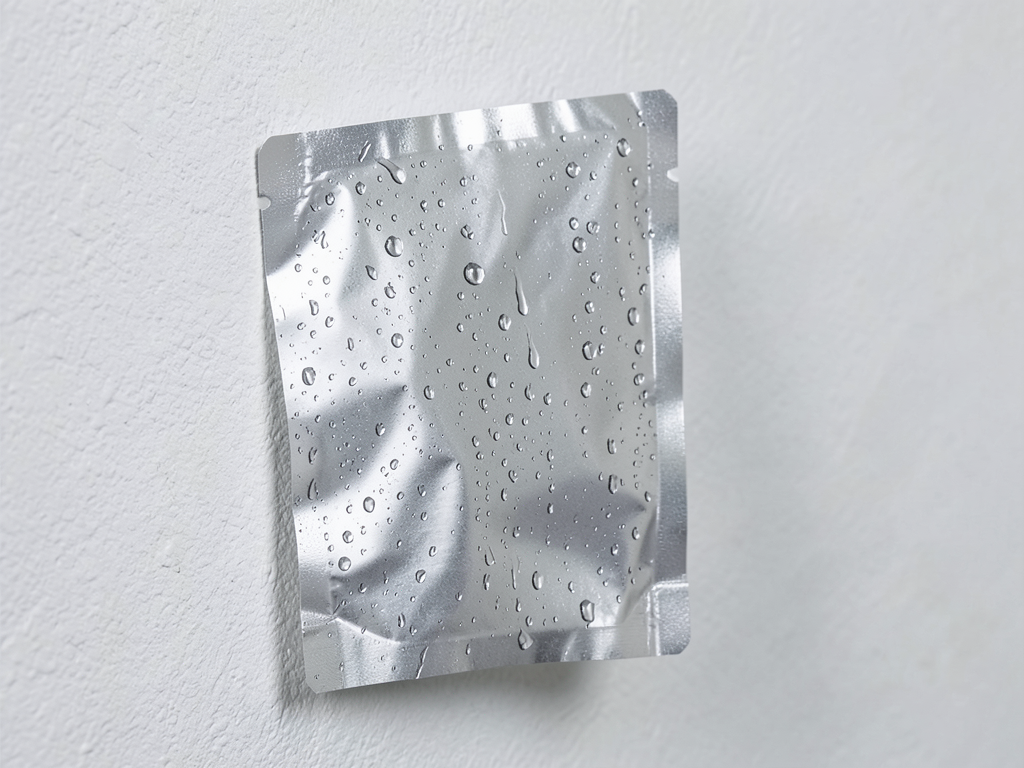
- The Foil Test
Cut a 12-inch square of aluminum foil and tape it tightly to the suspicious wall area. Wait 24 hours. If the side facing the room is wet, you have condensation. If the side facing the wall is wet, you have a leak.
- The Pattern Observation
Condensation typically appears as uniform dampness in high-humidity areas like bathrooms or near windows. Water leaks create localized spots that grow after rain and often show staining patterns that expand over time. Water damage restoration for Hillsboro offices and commercial spaces.
- The Touch Test
Press your hand against the damp area. Condensation feels cool and slightly damp. A water leak feels consistently wet, may be warm (if from a hot water pipe), and the drywall often feels soft or spongy.. Read more about How to handle water seepage through concrete walls in a Raleigh Hills daylight basement.
Signs It’s Condensation (The Humidity Factor)
Condensation forms when warm, moisture-laden air contacts cold surfaces. In Mt. Scott homes, this commonly occurs on north-facing exterior walls, around windows, and in poorly ventilated areas. The Portland metro area experiences average relative humidity levels of 70-80% during winter months, creating ideal conditions for condensation when indoor heating creates temperature differentials.. Read more about Your rights and next steps when a Portland landlord ignores water damage in your rental.
Look for these specific indicators:
- Uniform dampness that appears during cold snaps but disappears when temperatures rise
- Black spotting or mildew growth in corners where air circulation is minimal
- Moisture concentrated near windows or on walls adjacent to unheated spaces like garages
- Dampness that correlates with activities like showering or cooking
- No water damage to baseboards or flooring below the affected area
Many Mt. Scott homes, particularly those built before 1980, lack proper vapor barriers in exterior walls. The Oregon Residential Specialty Code (ORSC) Section R702.7 now requires specific vapor retarder installation, but older homes often miss this critical moisture management component.
Signs It’s a Water Leak (The Structural Factor)
Water leaks create distinct patterns and damage that worsen over time. Unlike condensation, leaks continue regardless of weather conditions and often show progressive deterioration.. Read more about Dealing with water damage from a failed retaining wall in Sylvan-Highlands.
Key indicators of a water leak include:
- Bubbling or peeling paint that feels cold and wet to the touch
- Soft drywall that leaves an indentation when pressed
- Staining that grows larger after rainfall or when plumbing is used
- Localized dampness that doesn’t correlate with room humidity levels
- Musty odors that persist even after cleaning
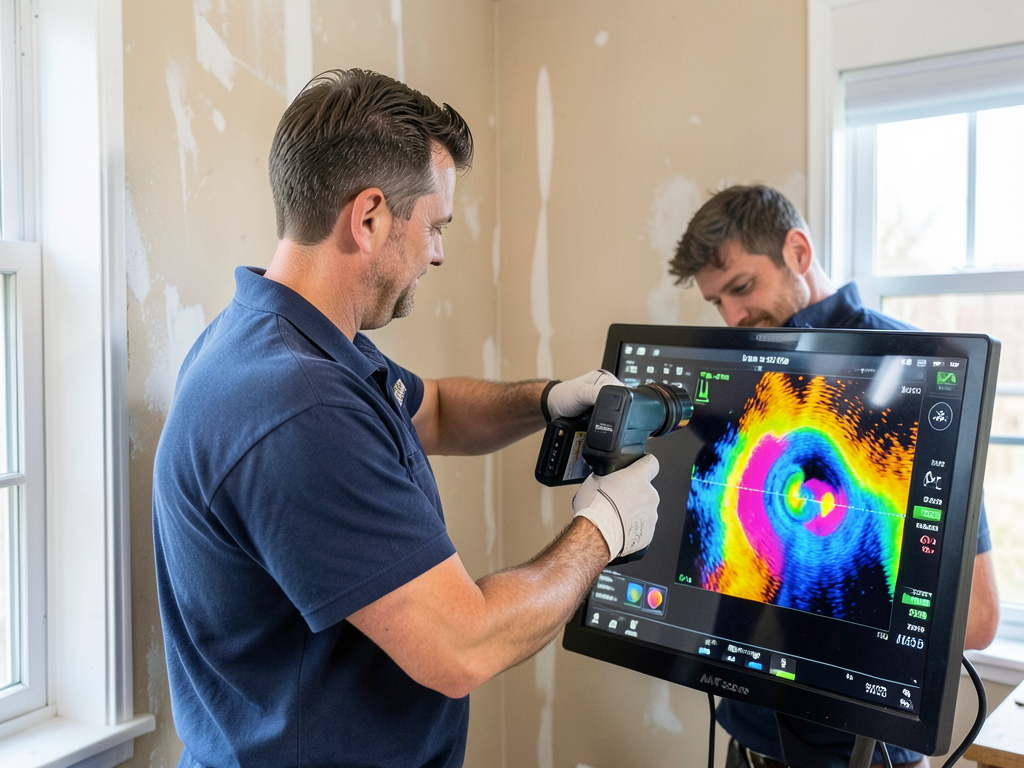
Water traveling through walls often follows the path of least resistance, meaning the visible stain may be feet away from the actual leak source. Thermal imaging cameras can detect temperature variations caused by moisture presence, revealing hidden leak paths behind drywall.. Read more about When to call for a professional thermal imaging leak inspection in your Portland home.
Portland-Specific Causes: Why Our Climate Matters
Mt. Scott’s location in Southeast Portland creates unique moisture challenges. The area’s elevation changes and proximity to Johnson Creek create microclimates where morning fog and evening dew are common. When your heated indoor air meets these naturally occurring cold surfaces, condensation forms rapidly.
The Willamette Valley’s clay soils, deposited during the Missoula Floods, create poor drainage conditions around foundations. When combined with Portland’s average annual rainfall of 43 inches, hydrostatic pressure can force moisture through basement walls and crawl space vents.. Read more about The warning signs of a foundation leak in your Healy Heights home.
Many Mt. Scott homes feature historic Craftsman architecture with original single-pane windows and minimal wall insulation. These design elements, while charming, create thermal bridges where interior surfaces become significantly colder than surrounding areas. The temperature difference can be 15-20 degrees, enough to trigger condensation even when indoor humidity stays within recommended levels of 30-50%.
The Risks of Ignoring Moisture
Both condensation and leaks create environments where mold can flourish. Stachybotrys chartarum, commonly known as black mold, thrives in consistently damp conditions and can begin growing within 24-48 hours of moisture exposure.. Read more about Why copper pipe pinhole leaks are a growing problem for older Portland homes.
Condensation left unaddressed leads to:
- Surface mold and mildew growth requiring remediation
- Paint and wallpaper deterioration
- Window frame rot in older homes
- Increased heating costs as moisture reduces insulation effectiveness
Water leaks pose more severe risks:
- Structural wood rot compromising wall studs and floor joists
- Electrical hazards from water contacting wiring
- Foundation damage from prolonged moisture exposure
- Rapid mold colonization behind walls where it remains hidden
The EPA’s moisture control guidelines emphasize that addressing water problems within 24-48 hours is critical to preventing mold growth and minimizing restoration costs. EPA mold guidelines.
Professional Solutions and Mitigation
Determining when to handle moisture issues yourself versus calling professionals depends on the source and extent of the problem. For condensation issues, improving ventilation and reducing indoor humidity often resolves the problem. Professional mold removal and remediation for Beaverton homeowners.
DIY solutions for condensation:
- Install bathroom exhaust fans vented to the exterior
- Use kitchen range hoods when cooking
- Run dehumidifiers in problem areas, maintaining 30-50% relative humidity
- Improve air circulation with fans
- Install storm windows or apply window insulation film
Water leaks require professional intervention:
- Thermal imaging to locate hidden moisture sources
- Moisture meter readings to determine saturation levels
- Professional drying equipment to prevent secondary damage
- Mold remediation following IICRC S520 standards if contamination exists
- Structural repairs to prevent recurrence
Professional moisture inspections typically include thermal imaging scans, moisture mapping, and relative humidity measurements. These diagnostic tools can identify problems invisible to the naked eye and provide documentation useful for insurance claims. Document Drying & Restoration.
Cost Comparison: Early Detection vs. Delayed Response
Addressing moisture issues early can save thousands in restoration costs. The following comparison shows typical cost ranges for different intervention levels:. Read more about The hidden costs of waiting to fix a damp spot on your Sullivan’s Gulch ceiling.
| Intervention Level | Typical Cost Range | Time to Complete | Potential Damage Prevented |
|---|---|---|---|
| DIY Humidity Control | $50-$300 | 1-2 days | Surface mold, paint damage |
| Professional Assessment | $200-$500 | 2-4 hours | Hidden mold, structural issues |
| Minor Leak Repair | $500-$1,500 | 1-2 days | Wall deterioration, mold spread |
| Major Restoration | $3,000-$15,000+ | 3-14 days | Complete wall replacement, mold remediation |
When to Call (503) 882-7766
Call for professional help when you observe these warning signs:
- Moisture that returns within 24 hours of cleaning
- Soft or crumbling drywall
- Musty odors that persist after ventilation
- Visible mold growth covering more than 10 square feet
- Water stains that grow larger after rain
- Moisture present regardless of weather conditions
Our team provides 24/7 emergency response for water damage situations. We use industrial-grade moisture detection equipment, thermal imaging cameras, and follow IICRC S500 standards for water damage restoration. We can typically arrive at Mt. Scott homes within 60 minutes of your call. IICRC standards.
Don’t wait for a small moisture problem to become a major restoration project. Pick up the phone and call (503) 882-7766 today to schedule your professional moisture inspection. Early detection saves time, money, and prevents the health risks associated with hidden mold growth.. Read more about Why your Hillsdale home might have hidden PEX pipe leaks.
Frequently Asked Questions
Can I use a regular thermometer to check for condensation?
Yes, a basic thermometer can help identify temperature differentials that cause condensation. Measure the wall surface temperature and compare it to the room’s dew point. If the wall is colder than the dew point, condensation will form. Digital hygrometers provide more accurate readings for humidity levels.
How long should I run the foil test before concluding?
Wait a full 24 hours before removing the foil. Moisture may take time to migrate through materials. Check both sides of the foil carefully. If you’re unsure about the results, repeat the test in different locations or during different weather conditions.
Will improving insulation stop condensation permanently?
Insulation helps by warming cold surfaces, but it’s not a complete solution. You must also control indoor humidity through ventilation and dehumidification. In Portland’s climate, a combination approach works best: proper insulation plus humidity management prevents most condensation issues.
What’s the difference between mildew and dangerous mold?
Mildew appears as white or gray powdery patches and remains on surfaces. Dangerous molds like Stachybotrys are typically black or dark green and can penetrate porous materials. While mildew is primarily cosmetic, toxic molds can cause health issues and require professional remediation.
Can new construction have condensation problems?
Absolutely. New homes often have high indoor humidity from fresh paint, new wood, and concrete curing. Combined with tight building envelopes that limit air exchange, condensation can be worse in new construction than in older, draftier homes. Proper ventilation during the first year is crucial.
You may also find this helpful. How poor deck flashing can rot the siding of your Far Southwest home.
You may also find this helpful. How the massive trees in Crestwood can cause your gutters to flood your interior walls.
{
“@context”: “https://schema.org”,
“@type”: “BlogPosting”,
“headline”: “How to spot the difference between seasonal condensation and a serious wall leak in your Mt. Scott home”,
“description”: “Learn to identify condensation vs. wall leaks in your Mt. Scott home with our diagnostic guide. Discover the foil test, local climate factors, and when to call (503) 882-7766.”,
“wordCount”: 1486,
“datePublished”: “2026-05-11T14:00:00.000Z”,
“dateModified”: “2026-05-11T14:00:00.000Z”,
“inLanguage”: “en-US”,
“mainEntityOfPage”: {
“@type”: “WebPage”,
“@id”: “https://evergreenwaterdamagerestorationportland.com”
},
“publisher”: {
“@type”: “LocalBusiness”,
“name”: “Evergreen Water Damage Restoration Portland”,
“url”: “https://evergreenwaterdamagerestorationportland.com”
},
“author”: {
“@type”: “Organization”,
“name”: “Evergreen Water Damage Restoration Portland”,
“url”: “https://evergreenwaterdamagerestorationportland.com”
},
“image”: {
“@type”: “ImageObject”,
“url”: “https://evergreenwaterdamagerestorationportland.com/wp-content/uploads/2026/03/how-to-spot-the-difference-between-seasonal-conden-1.png”
}
}
{
“@context”: “https://schema.org”,
“@type”: “LocalBusiness”,
“name”: “Evergreen Water Damage Restoration Portland”,
“url”: “https://evergreenwaterdamagerestorationportland.com”,
“address”: {
“@type”: “PostalAddress”,
“addressLocality”: “Portland”
},
“areaServed”: {
“@type”: “City”,
“name”: “Portland”
}
}
{
“@context”: “https://schema.org”,
“@type”: “FAQPage”,
“mainEntity”: [
{
“@type”: “Question”,
“name”: “Can I use a regular thermometer to check for condensation?”,
“acceptedAnswer”: {
“@type”: “Answer”,
“text”: “Yes, a basic thermometer can help identify temperature differentials that cause condensation. Measure the wall surface temperature and compare it to the room’s dew point. If the wall is colder than the dew point, condensation will form. Digital hygrometers provide more accurate readings for humidity levels.”
}
},
{
“@type”: “Question”,
“name”: “How long should I run the foil test before concluding?”,
“acceptedAnswer”: {
“@type”: “Answer”,
“text”: “Wait a full 24 hours before removing the foil. Moisture may take time to migrate through materials. Check both sides of the foil carefully. If you’re unsure about the results, repeat the test in different locations or during different weather conditions.”
}
},
{
“@type”: “Question”,
“name”: “What’s the difference between mildew and dangerous mold?”,
“acceptedAnswer”: {
“@type”: “Answer”,
“text”: “Mildew appears as white or gray powdery patches and remains on surfaces. Dangerous molds like Stachybotrys are typically black or dark green and can penetrate porous materials. While mildew is primarily cosmetic, toxic molds can cause health issues and require professional remediation.”
}
},
{
“@type”: “Question”,
“name”: “Can new construction have condensation problems?”,
“acceptedAnswer”: {
“@type”: “Answer”,
“text”: “Absolutely. New homes often have high indoor humidity from fresh paint, new wood, and concrete curing. Combined with tight building envelopes that limit air exchange, condensation can be worse in new construction than in older, draftier homes. Proper ventilation during the first year is crucial.”
}
}
]
}
{
“@context”: “https://schema.org”,
“@type”: “HowTo”,
“name”: “Wall Moisture Diagnostic Test”,
“step”: [
{
“@type”: “HowToStep”,
“position”: 1,
“name”: “The Foil Test”,
“text”: “Cut a 12-inch square of aluminum foil and tape it tightly to the suspicious wall area. Wait 24 hours. If the side facing the room is wet, you have condensation. If the side facing the wall is wet, you have a leak.”
},
{
“@type”: “HowToStep”,
“position”: 2,
“name”: “The Pattern Observation”,
“text”: “Condensation typically appears as uniform dampness in high-humidity areas like bathrooms or near windows. Water leaks create localized spots that grow after rain and often show staining patterns that expand over time. Water damage restoration for Hillsboro offices and commercial spaces.”
},
{
“@type”: “HowToStep”,
“position”: 3,
“name”: “The Touch Test”,
“text”: “Press your hand against the damp area. Condensation feels cool and slightly damp. A water leak feels consistently wet, may be warm (if from a hot water pipe), and the drywall often feels soft or spongy.”
}
],
“image”: “https://evergreenwaterdamagerestorationportland.com/wp-content/uploads/2026/03/how-to-spot-the-difference-between-seasonal-conden-1.png”
}
{
“@context”: “https://schema.org”,
“@type”: “BreadcrumbList”,
“itemListElement”: [
{
“@type”: “ListItem”,
“position”: 1,
“name”: “Home”,
“item”: “https://evergreenwaterdamagerestorationportland.com”
},
{
“@type”: “ListItem”,
“position”: 2,
“name”: “Blog”,
“item”: “https://evergreenwaterdamagerestorationportland.com/blog”
},
{
“@type”: “ListItem”,
“position”: 3,
“name”: “How to spot the difference between seasonal condensation and a serious wall leak in your Mt. Scott home”
}
]
}
{
“@context”: “https://schema.org”,
“@type”: “Service”,
“serviceType”: “Water Damage Restoration”,
“provider”: {
“@type”: “LocalBusiness”,
“name”: “Evergreen Water Damage Restoration Portland”,
“url”: “https://evergreenwaterdamagerestorationportland.com”
},
“areaServed”: {
“@type”: “City”,
“name”: “Portland”
},
“description”: “Learn to identify condensation vs. wall leaks in your Mt. Scott home with our diagnostic guide. Discover the foil test, local climate factors, and when to call (503) 882-7766.”
}