
Identifying dry rot on your Bridgeton deck or floating home foundation
Living in Bridgeton means enjoying riverfront views and a unique floating home lifestyle, but it also means dealing with constant moisture exposure. Dry rot can silently destroy your deck or foundation before you even notice. This guide will show you exactly what to look for so you can catch problems early and protect your investment.. Read more about What to ask a restoration contractor before they start work on your historic Ladd’s Addition home.
Portland’s high humidity and frequent rainfall create perfect conditions for Serpula lacrymans, the fungus that causes dry rot. Even though it’s called “dry” rot, this fungus needs moisture to thrive. In Bridgeton’s damp environment, wood structures can retain enough moisture to support fungal growth without showing obvious water damage. Water damage restoration for Hillsboro offices and commercial spaces.
Visual signs of dry rot on your Bridgeton property
Recognizing dry rot early can save you thousands in structural repairs. Here are the four stages of dry rot development you should know: EPA mold information.
- Spore presence
Look for fine orange-brown dust on wood surfaces. These are fungal spores that indicate active growth nearby.
- Mycelium growth
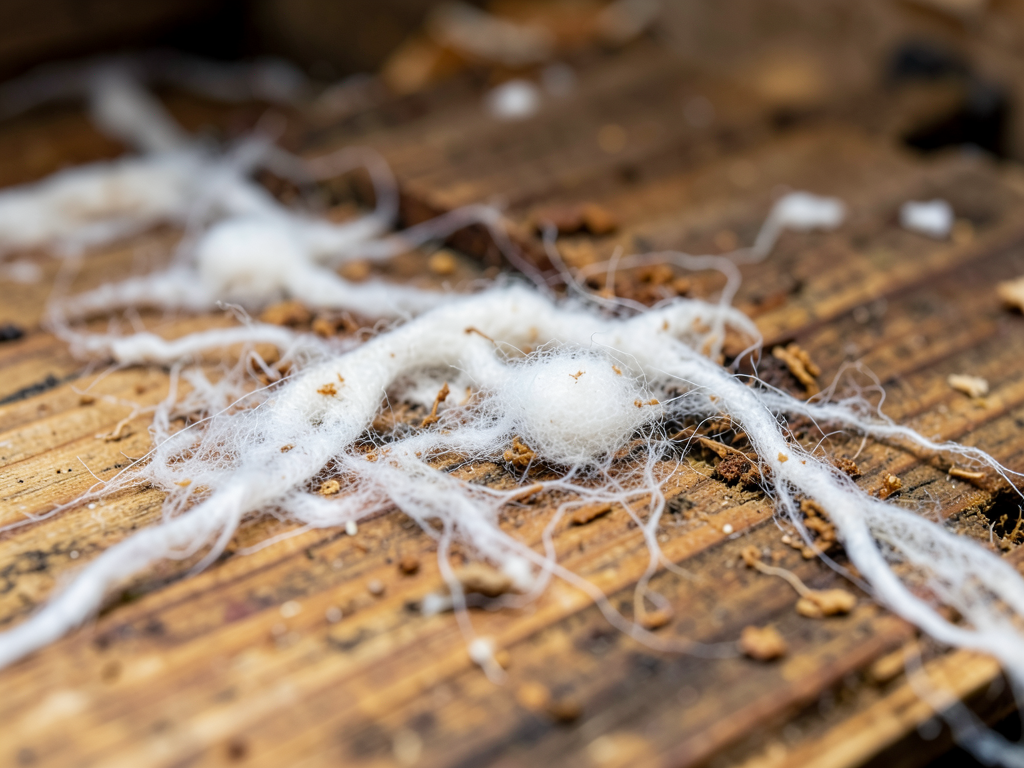
White or gray cotton-like strands spreading across wood. This is the fungus actively consuming your deck or foundation timbers.
- Fruiting bodies
Large mushroom-like growths that appear when the fungus matures. These can be orange, brown, or rust-colored and often have a distinctive musty odor.
- Structural damage
Wood becomes brittle and cracks in a characteristic cube-like pattern. This is advanced decay that compromises structural integrity.
Common hotspots in Bridgeton homes include deck support posts near the waterline, floating home foundation beams, and any wood in contact with concrete that wicks moisture. The constant moisture from the Columbia River means these areas need extra vigilance. Emergency water damage restoration in Portland that arrives in under an hour.
The touch and smell test for dry rot
Visual inspection alone isn’t enough. Here’s how to use your senses to detect hidden dry rot:
- The screwdriver test – Press a screwdriver into suspicious wood. Healthy wood resists; rotten wood feels spongy and the tool sinks in easily.
- Musty odor – Dry rot produces a distinctive earthy, mushroom-like smell that intensifies in enclosed spaces like crawlspaces.
- Surface texture – Rotted wood often feels soft, crumbly, or develops a stringy texture when you run your hand across it.
- Sound difference – Tap suspect areas with a hammer. Healthy wood produces a solid sound; rotted wood sounds hollow or dull.
- Stop the moisture source – Fix leaks, improve drainage, or increase ventilation before treating the rot.
- Assess structural integrity – Have a professional evaluate whether affected wood can be repaired or must be replaced.
- Remove infected material – All visibly rotted wood must be removed, plus a margin of healthy wood around it to ensure complete removal.
- Treat remaining wood – Apply fungicidal treatments to surrounding wood to prevent recurrence.
- Repair with treated lumber – Replace removed wood with pressure-treated or naturally resistant species like cedar or redwood.
Many Bridgeton floating home owners discover dry rot when replacing deck boards and finding the support structure underneath completely compromised. Don’t wait for that surprise. Finding a reliable team for basement flood cleanup in Lake Oswego.
Dry rot vs. wet rot: knowing the difference
Confusing wet rot with dry rot leads to wrong treatment approaches. Here’s how to tell them apart:
| Characteristic | Dry Rot | Wet Rot |
|---|---|---|
| Moisture needs | 20-30% moisture content | 50%+ moisture content |
| Color | Brown to rust-colored | Dark brown to black |
| Cracking pattern | Cubical (cube-like) | Longitudinal (along grain) |
| Spread pattern | Can travel through masonry | Stays localized |
| Treatment urgency | High – aggressive spread | Moderate – slower spread |
Dry rot poses a greater threat to Bridgeton homes because it can spread through your entire structure, even through concrete and masonry, while wet rot stays confined to continuously wet areas.
Common hotspots in Bridgeton homes and floating houses
Certain areas in Bridgeton properties are especially vulnerable to dry rot due to local conditions:
Deck structures – Support posts that sit in constant moisture from rain and river spray are prime targets. The combination of Douglas Fir lumber and Portland’s climate creates ideal conditions for fungal growth.
Floating home foundations – The underside of floating homes stays damp year-round. Support beams and cross-members often develop dry rot from the bottom up, hidden from view until major damage occurs.
Exterior stairs and railings – These get constant moisture exposure and often have poor ventilation underneath, creating perfect breeding grounds for dry rot.
Window sills and door frames – Historic Bridgeton homes with original wood windows are particularly vulnerable, especially if caulking has failed and allowed water intrusion.
Crawlspace timbers – Poor ventilation in crawlspaces allows moisture to build up, creating ideal conditions for dry rot to spread through floor joists and support beams.
Next steps when you find dry rot
Discovering dry rot doesn’t always mean panic, but it does mean action. Here’s what to do:
For extensive damage or structural components, professional restoration is essential. The Oregon Residential Specialty Code requires proper moisture management and structural repairs to meet current building standards. Professional mold removal and remediation for Beaverton homeowners.
Don’t let dry rot compromise your Bridgeton home’s safety or value. Early detection and proper treatment can save you from costly structural repairs down the road.
Frequently Asked Questions
How much does dry rot repair cost in Portland?
Repair costs vary widely based on damage extent. Minor deck repairs might cost $500-1,500, while extensive structural repairs can exceed $10,000. Early detection always means lower costs. Water Damage Restoration Wilsonville.
Can I treat dry rot myself?
Small areas of early-stage dry rot can be DIY projects if you’re comfortable with structural repairs. However, extensive damage or structural components should always be handled by professionals to ensure safety and code compliance.
How long does dry rot take to develop?
Under ideal conditions, dry rot can establish in 6-12 months and cause significant structural damage within 2-3 years. The key is catching it early before major repairs become necessary.
Will my insurance cover dry rot damage?
Most standard homeowners policies don’t cover dry rot because it’s considered a maintenance issue rather than sudden damage. However, if rot results from a covered peril like a burst pipe, related damage might be covered.
How can I prevent dry rot in my Bridgeton home?
Keep wood dry by maintaining paint and sealants, ensuring proper drainage away from structures, improving ventilation in crawlspaces, and regularly inspecting vulnerable areas. Consider using rot-resistant materials for new construction or repairs.

Photo showing advanced dry rot with characteristic cubical cracking pattern on a deck support beam. Notice the orange-brown discoloration and crumbling texture.
Technician using a moisture meter to check wood moisture content in a crawlspace. Readings above 20% indicate conditions favorable for dry rot development.
Close-up of dry rot mycelium growth showing white cotton-like strands spreading across wood surface. This is the active fungal growth phase.
If you’ve noticed any of these warning signs on your Bridgeton deck or floating home foundation, don’t wait for the problem to get worse. Call (503) 882-7766 today to schedule your inspection. Our Portland-based experts understand the unique moisture challenges of riverside living and can help you protect your property from costly structural damage. For more information, visit IICRC S500 standards.
{
“@context”: “https://schema.org”,
“@type”: “BlogPosting”,
“headline”: “Identifying dry rot on your Bridgeton deck or floating home foundation”,
“description”: “Learn how to spot dry rot on your Bridgeton deck or floating home foundation. Discover warning signs, inspection tips, and when to call a Portland restoration expert.”,
“wordCount”: 1211,
“datePublished”: “2026-04-11T10:36:00.000Z”,
“dateModified”: “2026-04-11T10:36:00.000Z”,
“inLanguage”: “en-US”,
“mainEntityOfPage”: {
“@type”: “WebPage”,
“@id”: “https://evergreenwaterdamagerestorationportland.com”
},
“publisher”: {
“@type”: “LocalBusiness”,
“name”: “Evergreen Water Damage Restoration Portland”,
“url”: “https://evergreenwaterdamagerestorationportland.com”
},
“author”: {
“@type”: “Organization”,
“name”: “Evergreen Water Damage Restoration Portland”,
“url”: “https://evergreenwaterdamagerestorationportland.com”
},
“image”: {
“@type”: “ImageObject”,
“url”: “https://evergreenwaterdamagerestorationportland.com/wp-content/uploads/2026/03/identifying-dry-rot-on-your-bridgeton-deck-or-floa-1.png”
}
}
{
“@context”: “https://schema.org”,
“@type”: “LocalBusiness”,
“name”: “Evergreen Water Damage Restoration Portland”,
“url”: “https://evergreenwaterdamagerestorationportland.com”,
“address”: {
“@type”: “PostalAddress”,
“addressLocality”: “Portland”
},
“areaServed”: {
“@type”: “City”,
“name”: “Portland”
}
}
{
“@context”: “https://schema.org”,
“@type”: “FAQPage”,
“mainEntity”: [
{
“@type”: “Question”,
“name”: “How much does dry rot repair cost in Portland?”,
“acceptedAnswer”: {
“@type”: “Answer”,
“text”: “Repair costs vary widely based on damage extent. Minor deck repairs might cost $500-1,500, while extensive structural repairs can exceed $10,000. Early detection always means lower costs. Water Damage Restoration Wilsonville.”
}
},
{
“@type”: “Question”,
“name”: “Can I treat dry rot myself?”,
“acceptedAnswer”: {
“@type”: “Answer”,
“text”: “Small areas of early-stage dry rot can be DIY projects if you’re comfortable with structural repairs. However, extensive damage or structural components should always be handled by professionals to ensure safety and code compliance.”
}
},
{
“@type”: “Question”,
“name”: “How long does dry rot take to develop?”,
“acceptedAnswer”: {
“@type”: “Answer”,
“text”: “Under ideal conditions, dry rot can establish in 6-12 months and cause significant structural damage within 2-3 years. The key is catching it early before major repairs become necessary.”
}
},
{
“@type”: “Question”,
“name”: “Will my insurance cover dry rot damage?”,
“acceptedAnswer”: {
“@type”: “Answer”,
“text”: “Most standard homeowners policies don’t cover dry rot because it’s considered a maintenance issue rather than sudden damage. However, if rot results from a covered peril like a burst pipe, related damage might be covered.”
}
},
{
“@type”: “Question”,
“name”: “How can I prevent dry rot in my Bridgeton home?”,
“acceptedAnswer”: {
“@type”: “Answer”,
“text”: “Keep wood dry by maintaining paint and sealants, ensuring proper drainage away from structures, improving ventilation in crawlspaces, and regularly inspecting vulnerable areas. Consider using rot-resistant materials for new construction or repairs.”
}
}
]
}
{
“@context”: “https://schema.org”,
“@type”: “HowTo”,
“name”: “Four Stages of Dry Rot”,
“step”: [
{
“@type”: “HowToStep”,
“position”: 1,
“name”: “Spore presence”,
“text”: “Look for fine orange-brown dust on wood surfaces. These are fungal spores that indicate active growth nearby.”
},
{
“@type”: “HowToStep”,
“position”: 2,
“name”: “Mycelium growth”,
“text”: “White or gray cotton-like strands spreading across wood. This is the fungus actively consuming your deck or foundation timbers.”
},
{
“@type”: “HowToStep”,
“position”: 3,
“name”: “Fruiting bodies”,
“text”: “Large mushroom-like growths that appear when the fungus matures. These can be orange, brown, or rust-colored and often have a distinctive musty odor.”
},
{
“@type”: “HowToStep”,
“position”: 4,
“name”: “Structural damage”,
“text”: “Wood becomes brittle and cracks in a characteristic cube-like pattern. This is advanced decay that compromises structural integrity.”
}
],
“image”: “https://evergreenwaterdamagerestorationportland.com/wp-content/uploads/2026/03/identifying-dry-rot-on-your-bridgeton-deck-or-floa-1.png”
}
{
“@context”: “https://schema.org”,
“@type”: “BreadcrumbList”,
“itemListElement”: [
{
“@type”: “ListItem”,
“position”: 1,
“name”: “Home”,
“item”: “https://evergreenwaterdamagerestorationportland.com”
},
{
“@type”: “ListItem”,
“position”: 2,
“name”: “Blog”,
“item”: “https://evergreenwaterdamagerestorationportland.com/blog”
},
{
“@type”: “ListItem”,
“position”: 3,
“name”: “Identifying dry rot on your Bridgeton deck or floating home foundation”
}
]
}
{
“@context”: “https://schema.org”,
“@type”: “Service”,
“serviceType”: “Water Damage Restoration”,
“provider”: {
“@type”: “LocalBusiness”,
“name”: “Evergreen Water Damage Restoration Portland”,
“url”: “https://evergreenwaterdamagerestorationportland.com”
},
“areaServed”: {
“@type”: “City”,
“name”: “Portland”
},
“description”: “Learn how to spot dry rot on your Bridgeton deck or floating home foundation. Discover warning signs, inspection tips, and when to call a Portland restoration expert.”
}