
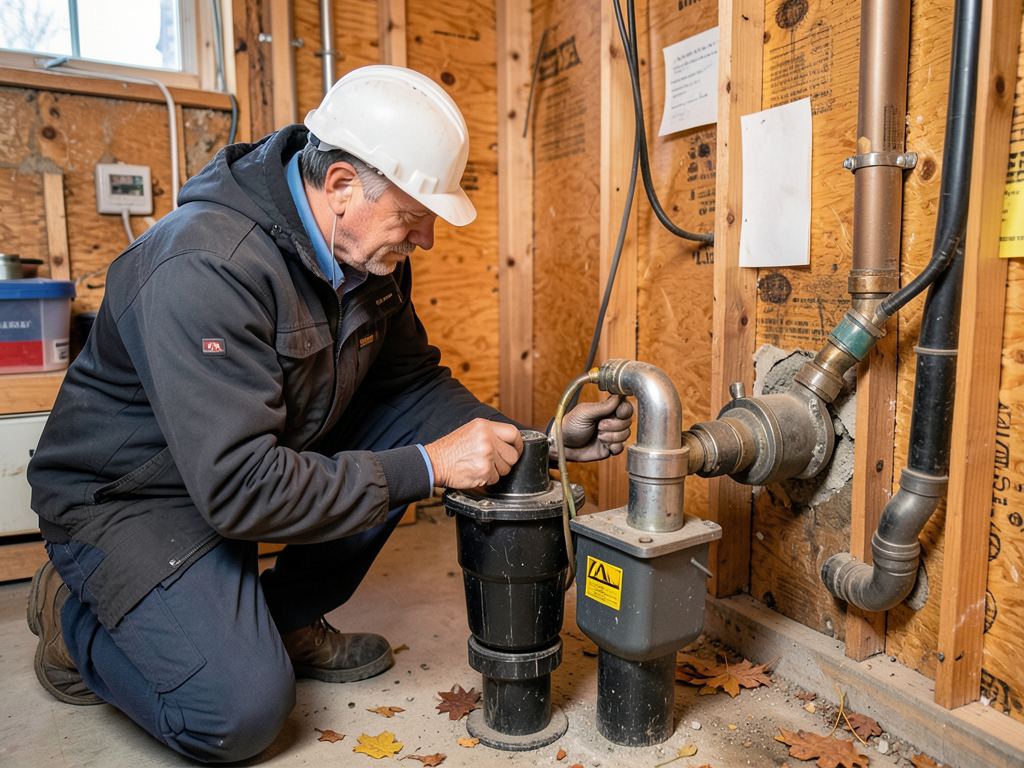
The best ways to test your sump pump before the Portland rainy season hits
Portland’s rainy season brings over 40 inches of annual rainfall to the Willamette Valley, and your sump pump is your first line of defense against basement flooding. A failed pump during a winter storm can mean thousands in water damage, mold remediation, and ruined belongings. Testing your sump pump before the heavy rains arrive is not just smart maintenance—it’s essential protection for your home. Water damage restoration for Hillsboro offices and commercial spaces.
The good news is that testing a sump pump takes less than 30 minutes and requires no special tools. This guide walks you through the exact steps to verify your pump is ready to handle whatever the Pacific Northwest weather throws at it. We’ll cover safety precautions, the five-step inspection process, and what to do if your test reveals problems.
Portland homes in neighborhoods like Sellwood-Moreland and Eastmoreland often sit near the Willamette River where high water tables create constant pressure on basement drainage systems. If you live in these areas or anywhere with a history of basement moisture, testing becomes even more critical. The clay-rich Willamette Valley soil drains slowly, meaning your pump may need to run frequently during sustained rainfall. Emergency water damage restoration in Portland that arrives in under an hour.
Safety First: Precautions Before You Begin
Working with electrical equipment near water requires strict safety protocols. Portland’s building codes require GFCI protection for all basement outlets, but you should still verify this protection exists before testing your pump. Water Damage Restoration Wilsonville.
- Verify GFCI Protection
Locate the outlet powering your sump pump. Press the “TEST” button on the GFCI outlet. The “RESET” button should pop out. Press it to restore power. If the outlet fails this test, contact a licensed electrician immediately.
- Clear the Work Area
Remove any stored items from around the sump pit. Ensure the area is dry and free of standing water. If you notice water accumulation, stop and call a professional—this indicates active flooding or pump failure. Professional mold removal and remediation for Beaverton homeowners.
- Check for Obvious Damage
Inspect the power cord for cuts, fraying, or rodent damage. Look for corrosion on the pump housing or electrical connections. Any visible damage means the pump needs replacement before testing.
The 5-Step Sump Pump Inspection Checklist
Following this systematic approach ensures you test every critical component of your sump pump system. Each step builds on the previous one, creating a complete picture of your pump’s readiness.
Step 1: Inspect the Sump Pit and Basin
The sump pit collects groundwater before it enters your basement. A clean, properly functioning pit prevents debris from clogging your pump.. Read more about Fast water extraction for warehouse and industrial spaces in the Brooklyn neighborhood.
Remove the pit cover and shine a flashlight inside. Look for these indicators:
- Sediment buildup exceeding one inch deep
- Leaves, toys, or construction debris
- Cracks in the pit walls
- Standing water when the pump is off
Portland’s Willamette Valley clay soil often creates fine sediment that settles in sump pits. If you see significant buildup, use a wet-dry vacuum to remove it. This prevents the pump from drawing in mud that could damage the impeller.. Read more about How to manage high humidity in your Portland basement without a portable dehumidifier.
Step 2: The Bucket Test – Manual Activation
This test verifies the pump activates when water reaches the proper level. Portland’s building codes require pumps to activate before water reaches 6-8 inches deep in the pit.. Read more about Who to call for emergency water removal in Alameda when your finished basement floods.
Fill a five-gallon bucket with water and slowly pour it into the sump pit. Watch the float switch—a small plastic device that rises with water level. When the float reaches its activation point, you should hear the pump click on within 10-15 seconds.
Listen for these sounds during activation:
- A distinct click when the motor starts
- The impeller beginning to spin
- Water moving through the discharge pipe
If the pump doesn’t activate, check that the float moves freely and isn’t stuck against the pit wall. Some older Portland homes have pumps with tethered floats that can tangle with debris.
Step 3: Check Valve Inspection
The check valve prevents water from flowing back into the sump pit after the pump shuts off. A failing check valve causes the pump to cycle more frequently, wasting energy and shortening pump life.
Locate the check valve on the discharge pipe—it’s usually a cylindrical device with arrow markings indicating flow direction. Listen when the pump shuts off. You should hear a distinct “thunk” as the valve closes.
Portland’s freeze-thaw cycles can damage plastic check valves. If you hear continuous water movement or gurgling after the pump stops, the check valve likely needs replacement. This is especially common in older East Portland neighborhoods where pipes may have been installed before modern freeze protection standards.
Step 4: Discharge Pipe Assessment
The discharge pipe carries water away from your foundation. Portland building codes require discharge pipes to extend at least 10 feet from the foundation and direct water toward proper drainage.. Read more about Solving yard drainage issues before they flood your Kenton crawl space.
Walk the discharge pipe’s path from your foundation to its termination point. Look for:
- Cracks or separations in the pipe
- Ice blockages if testing during cold weather
- Water pooling near the foundation
- Discharges into city storm drains (illegal in Portland)
Portland’s stormwater regulations prohibit sump pump discharge into the sanitary sewer system. If your discharge connects to a sewer cleanout, you need a licensed plumber to reroute it properly.
Step 5: Power Supply and Backup System
Portland experiences frequent winter power outages during atmospheric river events. A battery backup system ensures your pump continues working when you need it most. Safe and fast sewage backup cleanup services in Gresham.
Test your backup system by unplugging the primary pump and pouring water into the pit. The backup should activate automatically. Check the battery age—most backup batteries need replacement every 3-5 years.
Portland’s Willamette Valley Electric offers rebates for battery backup installations in flood-prone areas. Check their website for current incentives if your system needs upgrading.
Signs Your Sump Pump is Failing
Even if your pump passes the basic test, watch for these warning signs that indicate developing problems. Portland’s high water table means small issues can quickly become emergencies.
Strange Noises During Operation
A healthy sump pump runs relatively quietly. Grinding, rattling, or high-pitched noises indicate mechanical problems. The impeller may be hitting debris, bearings may be failing, or the motor may be struggling.
Portland homes in the Laurelhurst and Alameda neighborhoods often have older pumps installed in the 1970s and 1980s. These units typically last 7-10 years, so age alone may warrant replacement if you hear unusual sounds.
Constant Cycling
If your pump runs every few minutes regardless of rainfall, something is wrong. Possible causes include:
- A stuck float switch
- A leaking check valve
- A short discharge pipe that doesn’t move water far enough from the foundation
- A high water table overwhelming the pump’s capacity
Constant cycling dramatically increases electricity costs and wears out the motor. Portland residents have reported monthly electricity bills increasing by $50-100 when pumps run continuously. City of Portland Building Inspection Division.
Age-Related Decline
Sump pumps have a predictable lifespan. Most submersible pumps last 7-10 years, while pedestal pumps may last 10-15 years. If your pump is approaching these ages, replacement is often more cost-effective than emergency repairs.
Portland’s building permit records show that homes built before 1990 often have original pumps still in service. These units were not designed for today’s rainfall patterns and may fail during critical storms.
Testing Your Battery Backup System
Battery backup systems provide crucial protection during Portland’s winter storms. Testing ensures your backup will function when the power goes out.
Battery Health Assessment
Most backup batteries use sealed lead-acid technology similar to car batteries. Check the battery’s age—manufacture dates are usually printed on the case. Batteries over three years old may not hold a full charge.
Portland’s temperature fluctuations affect battery performance. Cold basements in winter can reduce available power by 20-30%. If your basement stays below 50°F, consider a battery with higher cold-cranking amps.
Backup Pump Activation Test
Unplug your primary pump and fill the sump pit with water. The backup should activate within 10-15 seconds. If it doesn’t, check these components:
- Battery charge level
- Fuse or circuit breaker on the backup control panel
- Float switch freedom of movement
- Alarm functionality
Most backup systems include a warning alarm that sounds when the primary pump fails. Test this alarm by disconnecting the primary pump—it should sound within 30 seconds.
What to Do if Your Test Fails
Discovering problems during your test is actually good news—you found them before a storm hit. Here’s how to respond based on what you discovered.
Minor Issues You Can Fix
Some problems require only basic tools and 15 minutes of work:
- Cleaning debris from the sump pit
- Adjusting a stuck float switch
- Replacing a clogged inlet screen
- Securing loose discharge pipe connections
Portland’s hardware stores stock most common sump pump parts. Ace Hardware on SE Division and Home Depot in Northeast Portland both carry replacement check valves and float switches.
When to Call a Professional
Certain problems require professional expertise:
- Electrical issues or GFCI failures
- Cracked sump pit requiring replacement
- Discharge pipe rerouting to meet code
- Installing a new pump or backup system
- Discovering active water intrusion during testing
Portland’s building codes require permits for most pump replacements and electrical work. A licensed plumber can handle permits and ensure work meets current standards.
Portland-Specific Considerations
Portland’s unique geography and climate create specific challenges for sump pump systems. Understanding these factors helps you make informed decisions about maintenance and upgrades.
Soil and Water Table Impact
Portland sits on Missoula Flood deposits—silt and clay soils that drain slowly. This means groundwater moves toward your foundation even during dry periods. Homes near the Willamette River or in low-lying areas like Johns Landing often have water tables just a few feet below grade.
The Oregon Water Resources Department maintains well logs showing water table depths throughout the region. Homes in areas with tables above 10 feet deep typically need more robust pumping systems than those in higher elevations. Oregon Climate Change Research Institute.
Climate Change Effects
Portland’s rainfall patterns are changing. The Oregon Climate Change Research Institute reports increasing frequency of extreme precipitation events—storms that drop several inches of rain in 24 hours. These events overwhelm older pumping systems designed for steadier rainfall.
If your home is in a flood-prone area like downtown Portland or near Johnson Creek, consider upgrading to a higher-capacity pump. Current models handle 30-50% more flow than units from 15 years ago.
Building Code Requirements
Portland’s building code requires specific features for sump pump installations:
- GFCI protection for all basement outlets
- Alarm systems for backup pump activation
- Proper discharge routing to prevent foundation damage
- Minimum pit dimensions for adequate water storage
The City of Portland Building Inspection Division provides guidelines for sump pump installations. New installations must meet current code, even in older homes.
Preventative Maintenance Schedule
Regular maintenance prevents most pump failures. Create a schedule based on your home’s specific needs and Portland’s seasonal patterns.
Quarterly Checks
Perform basic inspections every three months:
- Listen for unusual pump noises
- Check the GFCI outlet functionality
- Inspect the discharge pipe for damage
- Verify the backup battery charge
Portland’s rainy season typically runs from October through April, so increase inspection frequency during these months.
Annual Deep Cleaning
Once yearly, perform a thorough cleaning:
- Remove and clean the pump
- Vacuum sediment from the pit
- Check and replace the check valve if needed
- Test the entire system under load
Late September is ideal for annual maintenance, giving you time to address any issues before fall rains begin.
Cost Considerations
Understanding potential costs helps you budget for maintenance and upgrades. Portland’s market rates for sump pump services vary by complexity and urgency.
Basic Maintenance Costs
Quarterly inspections cost little beyond your time. Annual professional cleaning typically runs $150-250 in Portland. Replacement parts like check valves cost $25-75, while new float switches run $30-60.
Portland’s water utilities offer rebates for certain flood prevention measures. The Portland Water Bureau provides up to $100 for backflow prevention devices when installed by licensed plumbers.
Emergency Repair Premiums
Emergency pump repairs during storms can cost 50-100% more than scheduled work. A midnight service call during a winter storm might cost $400-600 versus $200-300 for daytime service.
Portland’s high demand for emergency services during atmospheric river events means longer wait times and higher prices. Prevention through regular testing saves both money and stress.
Frequently Asked Questions
How often should I test my sump pump in Portland?
Test your sump pump quarterly and perform a full inspection annually. Increase frequency if you live in flood-prone areas or notice unusual pump behavior.
What’s the average lifespan of a sump pump in Portland’s climate?
Most submersible pumps last 7-10 years in Portland’s wet climate. Pedestal pumps may last 10-15 years. Replace older units before they fail during critical storms.
Can I install a sump pump myself in Portland?
DIY installation is possible but requires permits and must meet building codes. Professional installation ensures proper function and code compliance, especially important for electrical and drainage components.
What should I do if my pump runs constantly?
Constant running indicates problems like stuck floats, failing check valves, or inadequate capacity. Check for obvious issues first, then call a professional if the problem persists.
Are battery backups worth the investment?
Yes, especially in Portland where winter storms frequently cause power outages. A backup system costs $300-600 but can prevent thousands in flood damage during a single storm.
How do I know if my discharge pipe meets Portland codes?
Portland requires discharge pipes to extend at least 10 feet from the foundation and direct water to proper drainage. Discharges into storm drains or sanitary sewers are prohibited. A plumber can verify your system’s compliance.
Conclusion
Testing your sump pump before Portland’s rainy season is one of the most important maintenance tasks you can perform as a homeowner. A few minutes of testing can prevent thousands in water damage and the stress of emergency repairs during a storm.
Remember that Portland’s unique climate, soil conditions, and building codes create specific requirements for effective sump pump operation. Whether you live in a historic East Portland bungalow or a modern Southwest condo, your pump needs regular attention to protect your home.
If your test reveals problems or you’re unsure about your system’s condition, don’t wait for the next storm. Professional assessment can identify issues before they become emergencies. Call (503) 882-7766 today to schedule your sump pump inspection and ensure your home is ready for whatever Portland’s weather brings this season.. Read more about How to identify Category 3 black water and why you shouldn’t try to clean it yourself.
Taking action now means peace of mind later. Your sump pump works silently to protect your home—make sure it’s ready when you need it most.
You may also find this helpful. The best way to dry out a flooded crawl space in University Park before mold starts.
You may also find this helpful. Managing hillside runoff and basement seepage in Collins View during the rainy season.
{
“@context”: “https://schema.org”,
“@type”: “BlogPosting”,
“headline”: “The best ways to test your sump pump before the Portland rainy season hits”,
“description”: “Learn how to test your sump pump before Portland’s rainy season with our expert guide. Prevent basement flooding with these 5 critical steps every homeowner should know.”,
“wordCount”: 2448,
“datePublished”: “2026-04-05T07:46:00.000Z”,
“dateModified”: “2026-04-05T07:46:00.000Z”,
“inLanguage”: “en-US”,
“mainEntityOfPage”: {
“@type”: “WebPage”,
“@id”: “https://evergreenwaterdamagerestorationportland.com”
},
“publisher”: {
“@type”: “LocalBusiness”,
“name”: “Evergreen Water Damage Restoration Portland”,
“url”: “https://evergreenwaterdamagerestorationportland.com”
},
“author”: {
“@type”: “Organization”,
“name”: “Evergreen Water Damage Restoration Portland”,
“url”: “https://evergreenwaterdamagerestorationportland.com”
},
“image”: {
“@type”: “ImageObject”,
“url”: “https://evergreenwaterdamagerestorationportland.com/wp-content/uploads/2026/03/the-best-ways-to-test-your-sump-pump-before-the-po-1.png”
}
}
{
“@context”: “https://schema.org”,
“@type”: “LocalBusiness”,
“name”: “Evergreen Water Damage Restoration Portland”,
“url”: “https://evergreenwaterdamagerestorationportland.com”,
“address”: {
“@type”: “PostalAddress”,
“addressLocality”: “Portland”
},
“areaServed”: {
“@type”: “City”,
“name”: “Portland”
}
}
{
“@context”: “https://schema.org”,
“@type”: “FAQPage”,
“mainEntity”: [
{
“@type”: “Question”,
“name”: “How often should I test my sump pump in Portland?”,
“acceptedAnswer”: {
“@type”: “Answer”,
“text”: “Test your sump pump quarterly and perform a full inspection annually. Increase frequency if you live in flood-prone areas or notice unusual pump behavior.”
}
},
{
“@type”: “Question”,
“name”: “What’s the average lifespan of a sump pump in Portland’s climate?”,
“acceptedAnswer”: {
“@type”: “Answer”,
“text”: “Most submersible pumps last 7-10 years in Portland’s wet climate. Pedestal pumps may last 10-15 years. Replace older units before they fail during critical storms.”
}
},
{
“@type”: “Question”,
“name”: “Can I install a sump pump myself in Portland?”,
“acceptedAnswer”: {
“@type”: “Answer”,
“text”: “DIY installation is possible but requires permits and must meet building codes. Professional installation ensures proper function and code compliance, especially important for electrical and drainage components.”
}
},
{
“@type”: “Question”,
“name”: “What should I do if my pump runs constantly?”,
“acceptedAnswer”: {
“@type”: “Answer”,
“text”: “Constant running indicates problems like stuck floats, failing check valves, or inadequate capacity. Check for obvious issues first, then call a professional if the problem persists.”
}
},
{
“@type”: “Question”,
“name”: “Are battery backups worth the investment?”,
“acceptedAnswer”: {
“@type”: “Answer”,
“text”: “Yes, especially in Portland where winter storms frequently cause power outages. A backup system costs $300-600 but can prevent thousands in flood damage during a single storm.”
}
},
{
“@type”: “Question”,
“name”: “How do I know if my discharge pipe meets Portland codes?”,
“acceptedAnswer”: {
“@type”: “Answer”,
“text”: “Portland requires discharge pipes to extend at least 10 feet from the foundation and direct water to proper drainage. Discharges into storm drains or sanitary sewers are prohibited. A plumber can verify your system’s compliance.”
}
}
]
}
{
“@context”: “https://schema.org”,
“@type”: “HowTo”,
“name”: “Safety Precautions”,
“step”: [
{
“@type”: “HowToStep”,
“position”: 1,
“name”: “Verify GFCI Protection”,
“text”: “Locate the outlet powering your sump pump. Press the \”TEST\” button on the GFCI outlet. The \”RESET\” button should pop out. Press it to restore power. If the outlet fails this test, contact a licensed electrician immediately.”
},
{
“@type”: “HowToStep”,
“position”: 2,
“name”: “Clear the Work Area”,
“text”: “Remove any stored items from around the sump pit. Ensure the area is dry and free of standing water. If you notice water accumulation, stop and call a professional—this indicates active flooding or pump failure. Professional mold removal and remediation for Beaverton homeowners.”
},
{
“@type”: “HowToStep”,
“position”: 3,
“name”: “Check for Obvious Damage”,
“text”: “Inspect the power cord for cuts, fraying, or rodent damage. Look for corrosion on the pump housing or electrical connections. Any visible damage means the pump needs replacement before testing.”
}
],
“image”: “https://evergreenwaterdamagerestorationportland.com/wp-content/uploads/2026/03/the-best-ways-to-test-your-sump-pump-before-the-po-1.png”
}
{
“@context”: “https://schema.org”,
“@type”: “BreadcrumbList”,
“itemListElement”: [
{
“@type”: “ListItem”,
“position”: 1,
“name”: “Home”,
“item”: “https://evergreenwaterdamagerestorationportland.com”
},
{
“@type”: “ListItem”,
“position”: 2,
“name”: “Blog”,
“item”: “https://evergreenwaterdamagerestorationportland.com/blog”
},
{
“@type”: “ListItem”,
“position”: 3,
“name”: “The best ways to test your sump pump before the Portland rainy season hits”
}
]
}
{
“@context”: “https://schema.org”,
“@type”: “Service”,
“serviceType”: “Water Damage Restoration”,
“provider”: {
“@type”: “LocalBusiness”,
“name”: “Evergreen Water Damage Restoration Portland”,
“url”: “https://evergreenwaterdamagerestorationportland.com”
},
“areaServed”: {
“@type”: “City”,
“name”: “Portland”
},
“description”: “Learn how to test your sump pump before Portland’s rainy season with our expert guide. Prevent basement flooding with these 5 critical steps every homeowner should know.”
}