
Why copper pipe pinhole leaks are a growing problem for older Portland homes
Copper pipe pinhole leaks are becoming an epidemic in Portland’s older neighborhoods. These tiny perforations form silently inside aging copper pipes and can release hundreds of gallons of water before anyone notices. In Portland’s soft water environment from the Bull Run Watershed, the chemical reaction that causes these leaks accelerates with age, making homes built before 2000 particularly vulnerable. What starts as a microscopic pit in the copper wall can expand into a steady drip that saturates walls, floors, and ceilings with Category 1 water damage that quickly becomes a Category 3 mold hazard. Water damage restoration for Hillsboro offices and commercial spaces.
The problem is especially acute in neighborhoods like Sellwood, St. Johns, and parts of Northeast Portland where original copper plumbing from the 1960s and 1970s is still in service. Portland’s water chemistry, with its low mineral content and slightly alkaline pH between 7.8 and 8.2, creates perfect conditions for pitting corrosion. This electrochemical process eats away at copper from the inside out, leaving homeowners with no visible warning until water damage appears on walls or ceilings. The humid Pacific Northwest climate then compounds the problem by preventing proper drying, allowing mold to establish within 24-48 hours of the initial leak. Emergency water damage restoration in Portland that arrives in under an hour.
How pitting corrosion destroys copper pipes from the inside
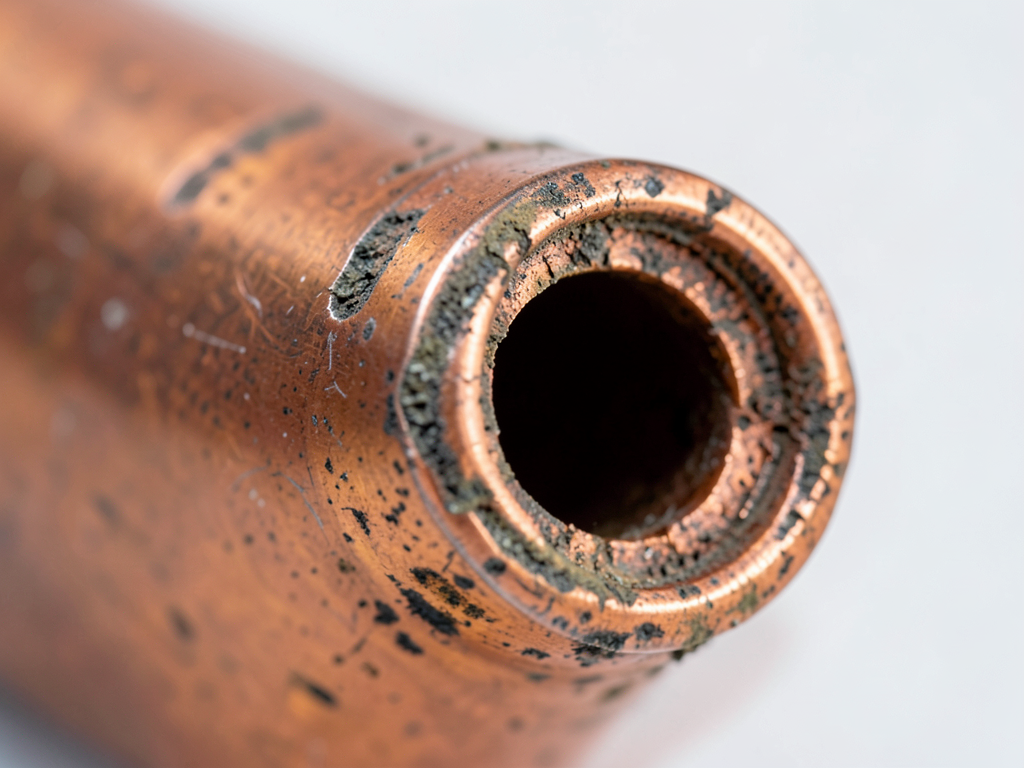
Pitting corrosion is not uniform surface wear but a localized attack that creates deep cavities in the copper pipe wall. Type I pitting forms under stagnant water conditions and creates narrow, deep pits that can penetrate pipe walls in months. Type II pitting occurs in cold, soft water with low dissolved oxygen and produces wider but shallower defects. Type III pitting develops in cold, soft water with high dissolved oxygen and creates a network of small pits that weaken the pipe structure over years. Water Damage Restoration Wilsonville.
The electrochemical process begins when copper ions dissolve into the water, creating microscopic anodic and cathodic sites on the pipe surface. In Portland’s Bull Run water, the low calcium and magnesium content means there are fewer protective mineral deposits forming inside pipes. Without this natural barrier, the copper surface remains exposed to aggressive water chemistry. The dissolved oxygen in the water acts as an oxidizer, accelerating the breakdown of the copper metal. Over time, these reactions create weak spots that eventually fail under normal water pressure.. Read more about How to get rid of the damp smell in your Portland home after a minor leak.
Temperature fluctuations in Portland’s climate add another layer of stress. Copper expands and contracts with temperature changes, and this movement creates micro-fractures around existing weak spots. The freeze-thaw cycles we experience during winter can cause pipes to flex and shift, accelerating the development of pinhole leaks. Homes with copper pipes running through exterior walls or unheated crawlspaces face the highest risk of this temperature-related damage.. Read more about Dealing with lead and asbestos during water damage repairs in older Portland neighborhoods.
Portland’s Bull Run water chemistry and its role in pipe degradation
The Bull Run Watershed provides Portland with exceptionally clean water that requires minimal treatment. While this sounds beneficial, the very properties that make our water safe to drink also make it aggressive toward copper pipes. Portland’s water has a hardness level below 1 grain per gallon, classifying it as extremely soft. This low mineral content means the water has a high capacity to dissolve metals, including copper.
The pH level of Portland’s municipal water typically ranges from 7.8 to 8.2, which is slightly alkaline but still within the range that promotes copper dissolution. Water with pH below 7.0 is acidic and aggressively attacks copper, but water in the 7.5 to 8.5 range creates a different problem. The slightly alkaline conditions prevent the formation of protective mineral scales while still allowing copper ions to dissolve into the water. This creates a perfect storm for pitting corrosion in older plumbing systems.
Dissolved oxygen content in Bull Run water averages 8-10 parts per million, which is normal for surface water but sufficient to drive the oxidation reactions that weaken copper. The water also contains trace amounts of chlorine and ammonia used for disinfection, which can form chloramines. These compounds are less aggressive than free chlorine but still contribute to the electrochemical breakdown of copper over time. The combination of low mineral content, moderate pH, and dissolved oxygen creates conditions where copper pipes can lose structural integrity without showing external signs of wear.
Common causes of accelerated copper pipe failure in Portland homes
Electrolysis is a major contributor to premature copper pipe failure in Portland homes. When different metals contact copper pipes or when electrical systems are improperly grounded through plumbing, stray electrical currents flow through the water. These currents create galvanic corrosion, where the copper acts as an anode and dissolves into the water. Many Portland homes built before modern electrical codes have multiple grounding points tied to plumbing, creating pathways for electrical current that accelerate pipe degradation.
High water velocity through pipes creates turbulence that strips away protective oxide layers on copper surfaces. This is particularly problematic in homes with oversized water heaters or recirculation pumps that force water through pipes at higher speeds than designed. The turbulent flow scours the inside of pipes, removing any protective films and exposing fresh copper to the aggressive Bull Run water chemistry. Homes with tankless water heaters often experience this issue because the high-velocity flow through heat exchangers creates localized turbulence in connected pipes.
Improper installation practices from decades past also contribute to early pipe failure. Solder flux residue left inside pipes during original installation creates localized areas of high acidity that continue to corrode copper long after the pipes are in service. Flux is acidic and designed to clean pipe surfaces before soldering, but if not properly flushed out, it remains active inside the plumbing system. Many Portland homes from the 1970s and 1980s have this hidden time bomb inside their copper pipes, with flux pockets creating weak points that eventually develop into pinhole leaks.. Read more about Why your Hillsdale home might have hidden PEX pipe leaks.
Hidden water damage from slow leaks and mold growth patterns
Pinhole leaks create a unique water damage scenario because they release water slowly over extended periods. Unlike burst pipes that cause immediate flooding, pinhole leaks can release just a few ounces of water per hour. This slow release allows water to spread through building materials via capillary action before any visible signs appear. A single pinhole leak behind a bathroom wall can saturate an entire wall cavity over several weeks, creating perfect conditions for mold growth before the homeowner notices any problem.
The slow nature of pinhole leaks means water has time to travel along pipe chases, through insulation, and into wall cavities where it remains trapped. Portland’s high humidity levels, averaging 70-80% year-round, prevent natural evaporation and create conditions where trapped moisture persists indefinitely. This combination of slow water release and poor drying conditions means mold can establish and spread extensively before the leak is even detected. By the time water stains appear on drywall or ceilings, the mold growth behind the surface is often severe. Document Drying & Restoration.
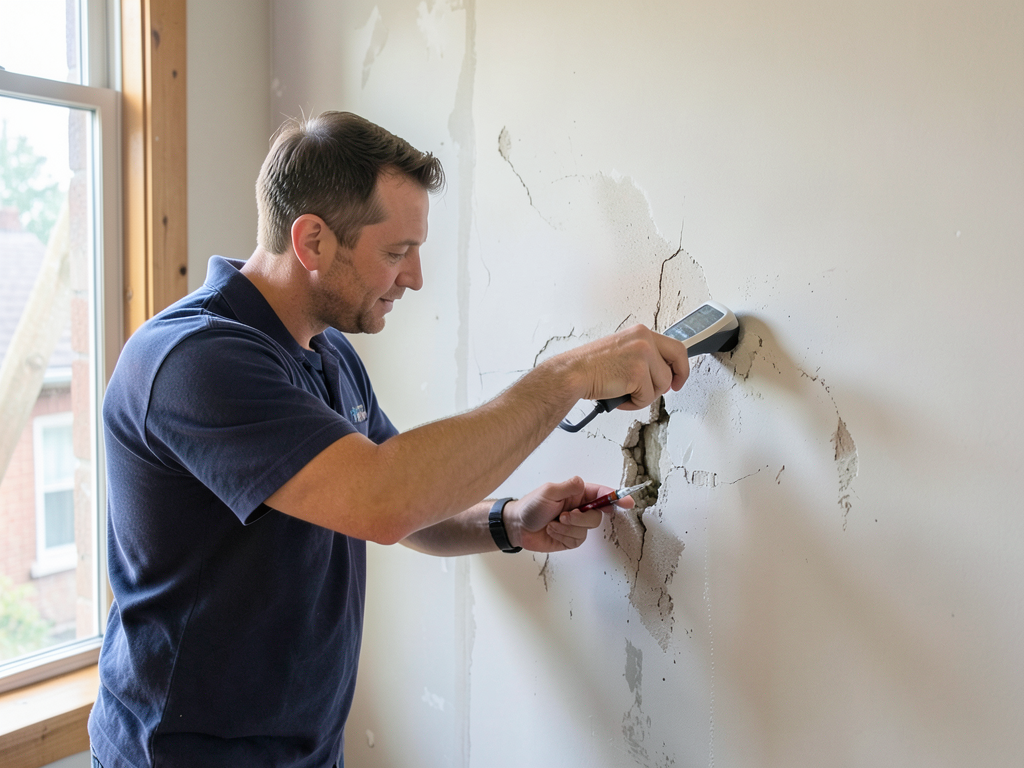
Common hiding spots for pinhole leak damage include wall cavities behind shower valves, under kitchen cabinets, and in ceiling spaces below second-floor bathrooms. The water follows the path of least resistance, often traveling several feet from the actual leak source before causing visible damage. This pattern makes leak detection challenging because the visible water damage rarely aligns with the actual pipe failure location. Professional moisture meters and thermal imaging are often required to locate the true source of the problem, as surface moisture readings can be misleading when water has spread through multiple building materials. Professional mold removal and remediation for Beaverton homeowners.
The restoration process after copper pipe failure
Professional water damage restoration following a copper pipe leak follows strict protocols established by the IICRC S500 standard. The process begins with emergency water extraction to remove standing water and prevent further migration into building materials. Industrial-grade extractors can remove over 95% of water from carpets and padding, while specialized tools like floor drying mats can extract moisture from hardwood and tile surfaces. The goal is to remove as much liquid water as possible before beginning the drying phase. IICRC S500 water damage restoration standard.
Structural drying involves creating a controlled environment that accelerates evaporation while preventing secondary damage. High-velocity air movers create airflow across wet surfaces, while commercial dehumidifiers remove moisture from the air at rates of 20-30 gallons per day. The psychrometric conditions must be monitored continuously, with moisture content readings taken from unaffected areas to establish drying goals. In Portland’s humid climate, this process often takes 3-5 days even with professional equipment, as the outdoor air constantly introduces moisture that must be removed.. Read more about How to use a moisture meter to find hidden leaks in your Portland walls.
Mold remediation becomes necessary when pinhole leaks go undetected for extended periods. The EPA mandates specific protocols for mold contamination, including containment barriers, negative air pressure, and HEPA filtration to prevent spore spread. Affected materials must be removed and disposed of properly, with porous items like drywall and insulation typically requiring complete replacement. Non-porous surfaces can be cleaned and disinfected, but the underlying moisture problem must be resolved before any remediation efforts succeed. The entire process must be documented for insurance purposes and to ensure compliance with Multnomah County’s strict mold remediation requirements. EPA mold remediation guidelines.
Prevention strategies and pipe replacement considerations
Water quality testing is the first step in preventing copper pipe failure. Professional testing can identify pH levels, dissolved oxygen content, and the presence of corrosive compounds like chloramines. Based on these results, homeowners can implement targeted solutions such as pH adjustment systems that raise water pH to 8.5-9.0, creating conditions where protective mineral scales can form inside pipes. Water softeners can also help by adding minerals that coat pipe interiors and prevent direct contact between aggressive water and copper surfaces.
Pressure regulation is critical for extending pipe life in Portland homes. Municipal water pressure in many neighborhoods exceeds 80 psi, which is above the recommended maximum for residential plumbing. High pressure increases stress on pipe walls and accelerates the development of weak spots. Installing a pressure-reducing valve set to 60-70 psi can significantly extend pipe life while also preventing water hammer damage that creates additional stress on the plumbing system. Many Portland homes built before 1990 lack these protective devices and experience accelerated pipe degradation as a result.
When replacement becomes necessary, modern alternatives offer superior performance in Portland’s water conditions. PEX (cross-linked polyethylene) piping resists the chemical reactions that damage copper and can flex with temperature changes without developing weak spots. The material also handles Portland’s occasional freezing temperatures better than rigid copper. For partial replacements, homeowners should consider installing dielectric unions between different pipe materials to prevent galvanic corrosion at connection points. The initial investment in modern piping materials typically pays for itself through reduced maintenance costs and the elimination of water damage risks.
Insurance coverage and the importance of rapid response
Insurance coverage for pinhole leak damage depends on how quickly the problem is addressed and whether the damage is classified as sudden and accidental or gradual. Most policies cover sudden pipe failures but exclude damage from long-term corrosion or lack of maintenance. This distinction is critical because pinhole leaks often develop over months or years before causing visible damage. Insurance companies may deny claims if they determine the leak resulted from gradual deterioration rather than a sudden failure.
The gradual damage exclusion creates a race against time for homeowners who discover pinhole leaks. Immediate professional assessment and mitigation can mean the difference between a covered claim and a denied one. Insurance adjusters look for evidence of prompt response, including emergency water extraction, professional drying, and documentation of the damage extent. Waiting even 48-72 hours to address a pinhole leak can allow mold to establish, which many policies exclude from coverage or significantly reduce the claim value.
Professional restoration companies maintain relationships with insurance providers and understand the documentation requirements for successful claims. They can provide the detailed reports, moisture mapping, and photographic evidence that insurance companies require to process claims efficiently. Many companies also offer direct billing to insurance providers, reducing the financial burden on homeowners during the emergency response phase. The cost of professional restoration is typically far less than the potential increase in insurance premiums following a denied claim or the expense of out-of-pocket repairs for extensive water damage.
Frequently Asked Questions
How can I tell if I have a pinhole leak in my copper pipes?
Early signs include unexplained increases in water bills, the sound of running water when no fixtures are in use, warm spots on floors above hot water lines, and mold or mildew odors in specific rooms. Visual indicators often appear too late, as water damage becomes visible only after significant saturation has occurred.
Are certain Portland neighborhoods more prone to copper pipe problems?
Yes, neighborhoods with homes built between 1960 and 1990 face the highest risk, particularly in areas like Sellwood, St. Johns, and parts of Northeast Portland where original plumbing remains in service. Homes near the Willamette River may also experience accelerated corrosion due to higher humidity levels and soil moisture.
How long does copper pipe restoration take after a leak?
The complete restoration process typically requires 3-7 days depending on the extent of damage. Emergency water extraction happens within hours of arrival, structural drying takes 3-5 days, and mold remediation if needed adds 1-2 days. The timeline can extend if extensive demolition or reconstruction is required.
Should I replace all my copper pipes if I find one pinhole leak?
Not necessarily. A single pinhole leak in a localized area may not indicate system-wide failure. However, if multiple leaks occur within a short timeframe or if your home is over 30 years old with original plumbing, a comprehensive inspection is recommended. Professional plumbers can test water chemistry and inspect pipe condition to determine if replacement is necessary.
What’s the cost difference between repairing and replacing copper pipes?
Repairing a single pinhole leak typically costs $300-800, while replacing all the plumbing in an average Portland home ranges from $8,000-15,000. While replacement is more expensive upfront, it eliminates the risk of future leaks and water damage that could cost tens of thousands in restoration expenses.
Take action before your copper pipes fail
Copper pipe pinhole leaks are not just a plumbing problem; they are a water damage emergency waiting to happen. The combination of Portland’s soft Bull Run water, aging infrastructure in established neighborhoods, and our humid climate creates conditions where these silent failures are increasingly common. Every day you wait to address potential pipe problems increases the risk of extensive water damage and costly mold remediation.
Professional assessment can identify vulnerable areas in your plumbing system before catastrophic failure occurs. Our certified technicians use advanced moisture detection equipment and understand the specific challenges Portland homes face with copper pipe degradation. We provide comprehensive solutions that address both the immediate leak and the resulting water damage, ensuring your home is restored to safe, healthy conditions.
Don’t let a tiny pinhole leak turn into a major disaster. Call (503) 882-7766 today to schedule your inspection and protect your Portland home from the growing threat of copper pipe failure. Our emergency response team is available 24/7 to address water damage and begin the restoration process immediately when disaster strikes.
Pick up the phone and call (503) 882-7766 before the next storm hits. Portland’s weather patterns mean your home faces constant moisture challenges, and aging copper pipes are the weakest link in your property’s defense. Our expert team will identify vulnerabilities, implement preventive measures, and provide the rapid response needed when leaks do occur. Your home deserves professional protection against the silent threat of copper pipe failure.
You may also find this helpful. Fixing a rotten subfloor in your Portsmouth laundry room or mudroom.
You may also find this helpful. Comparing the best smart home leak detectors for Portland homeowners.
{
“@context”: “https://schema.org”,
“@type”: “BlogPosting”,
“headline”: “Why copper pipe pinhole leaks are a growing problem for older Portland homes”,
“description”: “Copper pipe pinhole leaks are increasing in Portland due to soft Bull Run water. Learn the causes, hidden damage risks, and why immediate restoration is critical.”,
“wordCount”: 2620,
“datePublished”: “2026-06-02T14:39:00.000Z”,
“dateModified”: “2026-06-02T14:39:00.000Z”,
“inLanguage”: “en-US”,
“mainEntityOfPage”: {
“@type”: “WebPage”,
“@id”: “https://evergreenwaterdamagerestorationportland.com”
},
“publisher”: {
“@type”: “LocalBusiness”,
“name”: “Evergreen Water Damage Restoration Portland”,
“url”: “https://evergreenwaterdamagerestorationportland.com”
},
“author”: {
“@type”: “Organization”,
“name”: “Evergreen Water Damage Restoration Portland”,
“url”: “https://evergreenwaterdamagerestorationportland.com”
},
“image”: {
“@type”: “ImageObject”,
“url”: “https://evergreenwaterdamagerestorationportland.com/wp-content/uploads/2026/03/why-copper-pipe-pinhole-leaks-are-a-growing-proble-1.png”
}
}
{
“@context”: “https://schema.org”,
“@type”: “LocalBusiness”,
“name”: “Evergreen Water Damage Restoration Portland”,
“url”: “https://evergreenwaterdamagerestorationportland.com”,
“address”: {
“@type”: “PostalAddress”,
“addressLocality”: “Portland”
},
“areaServed”: {
“@type”: “City”,
“name”: “Portland”
}
}
{
“@context”: “https://schema.org”,
“@type”: “FAQPage”,
“mainEntity”: [
{
“@type”: “Question”,
“name”: “How can I tell if I have a pinhole leak in my copper pipes?”,
“acceptedAnswer”: {
“@type”: “Answer”,
“text”: “Early signs include unexplained increases in water bills, the sound of running water when no fixtures are in use, warm spots on floors above hot water lines, and mold or mildew odors in specific rooms. Visual indicators often appear too late, as water damage becomes visible only after significant saturation has occurred.”
}
},
{
“@type”: “Question”,
“name”: “Are certain Portland neighborhoods more prone to copper pipe problems?”,
“acceptedAnswer”: {
“@type”: “Answer”,
“text”: “Yes, neighborhoods with homes built between 1960 and 1990 face the highest risk, particularly in areas like Sellwood, St. Johns, and parts of Northeast Portland where original plumbing remains in service. Homes near the Willamette River may also experience accelerated corrosion due to higher humidity levels and soil moisture.”
}
},
{
“@type”: “Question”,
“name”: “How long does copper pipe restoration take after a leak?”,
“acceptedAnswer”: {
“@type”: “Answer”,
“text”: “The complete restoration process typically requires 3-7 days depending on the extent of damage. Emergency water extraction happens within hours of arrival, structural drying takes 3-5 days, and mold remediation if needed adds 1-2 days. The timeline can extend if extensive demolition or reconstruction is required.”
}
},
{
“@type”: “Question”,
“name”: “Should I replace all my copper pipes if I find one pinhole leak?”,
“acceptedAnswer”: {
“@type”: “Answer”,
“text”: “Not necessarily. A single pinhole leak in a localized area may not indicate system-wide failure. However, if multiple leaks occur within a short timeframe or if your home is over 30 years old with original plumbing, a comprehensive inspection is recommended. Professional plumbers can test water chemistry and inspect pipe condition to determine if replacement is necessary.”
}
},
{
“@type”: “Question”,
“name”: “What’s the cost difference between repairing and replacing copper pipes?”,
“acceptedAnswer”: {
“@type”: “Answer”,
“text”: “Repairing a single pinhole leak typically costs $300-800, while replacing all the plumbing in an average Portland home ranges from $8,000-15,000. While replacement is more expensive upfront, it eliminates the risk of future leaks and water damage that could cost tens of thousands in restoration expenses.”
}
}
]
}
{
“@context”: “https://schema.org”,
“@type”: “BreadcrumbList”,
“itemListElement”: [
{
“@type”: “ListItem”,
“position”: 1,
“name”: “Home”,
“item”: “https://evergreenwaterdamagerestorationportland.com”
},
{
“@type”: “ListItem”,
“position”: 2,
“name”: “Blog”,
“item”: “https://evergreenwaterdamagerestorationportland.com/blog”
},
{
“@type”: “ListItem”,
“position”: 3,
“name”: “Why copper pipe pinhole leaks are a growing problem for older Portland homes”
}
]
}
{
“@context”: “https://schema.org”,
“@type”: “Service”,
“serviceType”: “Water Damage Restoration”,
“provider”: {
“@type”: “LocalBusiness”,
“name”: “Evergreen Water Damage Restoration Portland”,
“url”: “https://evergreenwaterdamagerestorationportland.com”
},
“areaServed”: {
“@type”: “City”,
“name”: “Portland”
},
“description”: “Copper pipe pinhole leaks are increasing in Portland due to soft Bull Run water. Learn the causes, hidden damage risks, and why immediate restoration is critical.”
}