
Your rights and next steps when a Portland landlord ignores water damage in your rental
Water damage in your rental isn’t just an inconvenience—it’s a serious health hazard that can lead to mold growth, structural problems, and potential legal violations. Under Oregon law, landlords must maintain rental properties in habitable condition, which includes addressing water damage promptly. If your landlord is ignoring your requests for repairs, you have specific legal rights and remedies available. Water damage restoration for Hillsboro offices and commercial spaces.
Oregon’s landlord-tenant laws provide strong protections for renters dealing with habitability issues. When water damage occurs, landlords are required to respond within specific timeframes depending on the severity of the problem. Minor leaks must be addressed within 30 days, while major issues affecting essential services like plumbing or heating require immediate attention. Understanding these timelines and your rights can help you take effective action to protect your health and your security deposit. Emergency water damage restoration in Portland that arrives in under an hour.
Before taking any formal action, it’s important to document everything. Take clear photos of all water damage, keep copies of all communications with your landlord, and note any health symptoms you or your family members experience. This documentation will be crucial if you need to escalate the situation through official channels or if you later need to dispute charges against your security deposit. Document Drying & Restoration.
Understanding your legal protections under Oregon law
Oregon Revised Statutes (ORS) 90.320 establishes the landlord’s duty to maintain rental premises in habitable condition. This statute requires landlords to keep properties weather-tight, provide adequate plumbing and heating, and ensure all systems are in good working order. Water damage that affects any of these essential functions violates this legal obligation. ORS 90.320.
ORS 90.360 outlines tenant remedies when landlords fail to maintain habitable conditions. These remedies include the right to withhold rent, make repairs and deduct the cost from rent (with proper notice), and potentially terminate the lease if the damage makes the unit uninhabitable. However, these remedies come with specific procedural requirements that must be followed exactly to avoid legal complications.
The Portland Housing Bureau enforces local rental housing regulations that complement state law. Portland’s Fair Access in Renting (FAIR) ordinance prohibits discrimination and ensures all tenants have equal access to safe, habitable housing regardless of income source or other protected characteristics. If your landlord is ignoring damage in a way that appears discriminatory, you may have additional protections under this ordinance. Portland Housing Bureau.
Immediate steps to take after discovering water damage
Document the damage thoroughly as soon as you discover it. Use your phone to take timestamped photos and videos showing the extent of the water damage, including close-ups of affected areas and wider shots showing the overall room. Note the date, time, and circumstances when you first noticed the problem.
Provide written notice to your landlord immediately. Oregon law requires tenants to give landlords proper written notice of habitability issues before taking further action. Your notice should include a clear description of the problem, its location, and the date you first noticed it. Send this notice via certified mail or email with read receipt to create a paper trail.
Take steps to prevent further damage if it’s safe to do so. This might include moving furniture away from affected areas, placing buckets under active leaks, or using fans to dry wet surfaces. However, never attempt repairs yourself without proper authorization, as this could complicate your legal position or create liability issues.

A technician uses a moisture meter to detect hidden water damage behind walls, showing how professional equipment identifies problems not visible to the naked eye. Professional mold removal and remediation for Beaverton homeowners.
Oregon’s habitability standards and water damage
Under Oregon law, a rental unit becomes legally uninhabitable when water damage creates health hazards or prevents the use of essential systems. This includes situations where water damage has caused mold growth, compromised structural integrity, or made rooms unusable due to standing water or severe dampness.
The 30-day repair timeline established by Oregon law applies to most habitability issues, but water damage often requires faster action. If water damage affects essential services like plumbing, heating, or electrical systems, landlords must begin repairs immediately. Damage that creates immediate safety hazards, such as ceiling leaks that could cause collapse, also triggers emergency repair requirements.
Mold growth resulting from water damage creates additional legal obligations. Oregon law requires landlords to address mold problems that affect habitability, and certain types of mold (particularly black mold) can create severe health risks that may justify immediate relocation or rent withholding. The presence of visible mold or musty odors often indicates that water damage has been present for weeks or months.
Your options when a landlord refuses to repair
Repair and deduct is a legal remedy that allows tenants to hire contractors to fix habitability problems and deduct the cost from rent. Under ORS 90.365, you must provide proper written notice to your landlord, wait the required timeframe, and ensure the repair cost doesn’t exceed one month’s rent. This remedy requires careful documentation and adherence to specific procedures.
Withholding rent is another option when landlords fail to maintain habitable conditions, but it carries significant legal risks. Oregon law requires tenants to place withheld rent in an escrow account and be prepared to defend their actions in court. Simply stopping rent payments without following proper procedures can result in eviction proceedings.
Constructive eviction may apply if water damage makes your unit so uninhabitable that you’re forced to move out. This legal doctrine allows tenants to break their lease without penalty when landlords fail to maintain habitable conditions. However, proving constructive eviction requires substantial documentation and often legal representation.
Relocation assistance may be available if water damage forces you to temporarily vacate your unit. Some cities, including Portland, have ordinances that require landlords to pay relocation costs when tenants must move due to habitability issues. Check with the Portland Housing Bureau to determine if you qualify for this assistance.
Insurance considerations for tenants and landlords
Renter’s insurance covers your personal property but not the building structure or systems. If water damage destroys your furniture, electronics, or clothing, your renter’s insurance policy will typically cover replacement costs minus your deductible. However, most renter’s insurance policies don’t cover damage from long-term neglect or mold resulting from unresolved water issues.
Landlord insurance covers the building structure and systems but not your personal property. Your landlord’s insurance should cover the cost of repairing water damage to walls, floors, and other structural elements. However, if the damage resulted from your negligence (such as an overflowing bathtub), your landlord might attempt to recover costs from you.
Flood insurance is a separate policy that covers damage from external water sources like heavy rain or sewer backups. Standard renter’s and landlord insurance policies typically exclude flood damage, so if your water damage resulted from a flood event, you may need to explore additional coverage options. Safe and fast sewage backup cleanup services in Gresham.
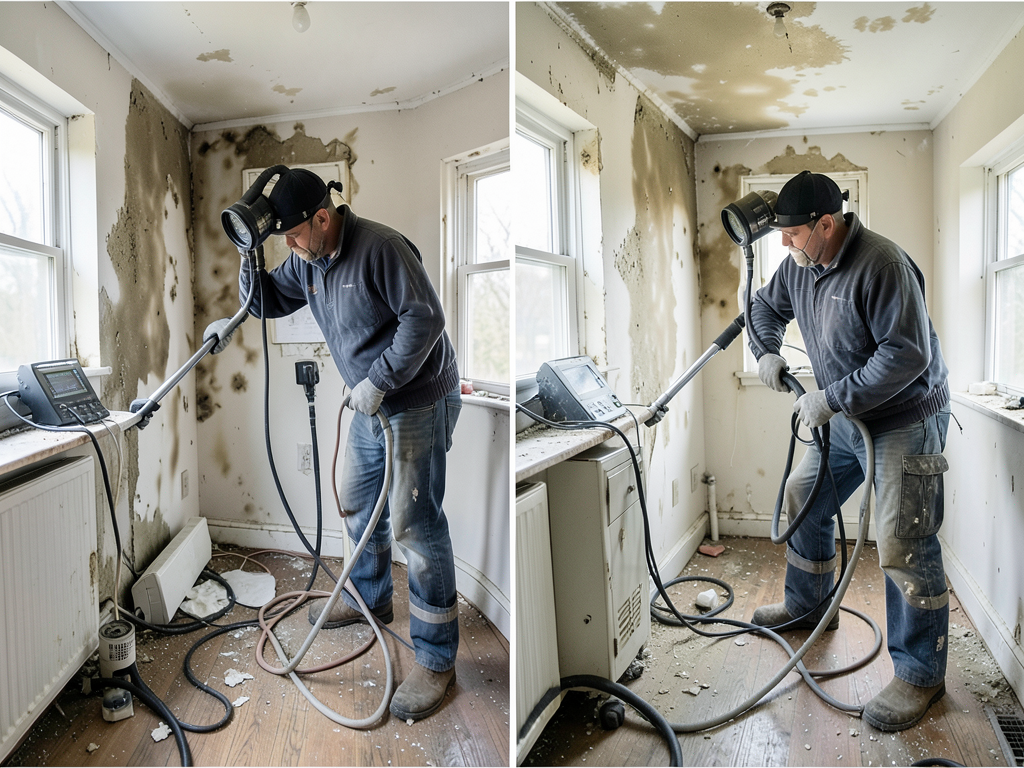
Before and after photos show the transformation of a water-damaged room after professional drying and mold remediation, demonstrating the importance of proper restoration techniques.
The role of professional restoration in protecting your rights
Professional water damage restoration companies can provide crucial documentation for legal proceedings. When you hire a certified restoration company, they create detailed reports showing the extent of damage, moisture readings, and recommended repairs. This documentation can serve as evidence if you need to prove the severity of the problem to a judge or housing inspector.
Restoration professionals use specialized equipment to detect hidden moisture that might not be visible to the naked eye. Thermal imaging cameras can reveal water trapped behind walls, while moisture meters can determine if building materials have dried to safe levels. This technology can identify problems that landlords might otherwise claim don’t exist.
Professional restoration also protects your health by ensuring proper mold remediation. The IICRC S500 standard for professional water damage restoration establishes specific protocols for drying, cleaning, and treating affected areas to prevent mold growth. Attempting DIY cleanup often spreads contamination and creates more extensive problems.
Restoration companies can also help you navigate insurance claims. Many restoration professionals work directly with insurance companies and can help document damage for claims processing. This can be particularly valuable if your landlord’s insurance company is disputing coverage or if you need to file a claim with your own renter’s insurance.
Portland-specific resources and support
The Portland Housing Bureau offers resources for tenants dealing with habitability issues. They can provide information about local rental regulations, connect you with housing counselors, and help you understand your rights under both state and city law. The bureau also maintains a database of licensed property managers and can investigate complaints about rental properties.
Community Alliance of Tenants (CAT) is a statewide tenant advocacy organization that provides free legal information and support. They offer hotline services where you can get advice about your specific situation, and they maintain resources about tenant rights and landlord obligations under Oregon law.
Multnomah County Environmental Health investigates serious health hazards in rental properties, including severe mold problems and water damage that creates unsafe living conditions. If your landlord is unresponsive to your requests for repair, filing a complaint with county health authorities can trigger an official inspection and enforcement action.
Oregon Legal Aid provides free legal assistance to qualifying low-income tenants. If you’re facing serious habitability issues and cannot afford an attorney, Legal Aid may be able to represent you in negotiations with your landlord or in court proceedings related to habitability disputes.
Preventing future water damage issues
Regular maintenance and prompt reporting of minor issues can prevent major water damage problems. Small leaks, condensation problems, or minor plumbing issues often escalate into major damage if left unaddressed. Report any signs of moisture, unusual sounds from plumbing, or water stains to your landlord immediately.
Understand your lease agreement’s maintenance provisions. Many leases include clauses about tenant responsibilities for minor maintenance and reporting requirements. Knowing these provisions can help you fulfill your obligations while ensuring your landlord meets their responsibilities for major repairs.
Consider installing water leak detectors in areas prone to problems, such as under sinks, near water heaters, or in basements. While you’ll need your landlord’s permission to make modifications, many landlords appreciate proactive measures that prevent expensive damage. Some smart home devices can even send alerts to your phone when they detect moisture.
Build a good relationship with your landlord through clear communication and prompt rent payments. While this won’t prevent all habitability issues, landlords are often more responsive to tenants who maintain open lines of communication and demonstrate responsibility in other areas of the rental relationship.
When to seek legal help
Consider consulting an attorney if your landlord has ignored multiple written notices about water damage, if the damage has caused significant property loss or health issues, or if you’re considering withholding rent or exercising other legal remedies. An attorney can help you understand your rights and navigate the legal process properly.
Legal help is particularly important if you’re facing eviction proceedings related to habitability disputes. Oregon’s eviction laws are complex, and attempting to defend yourself without legal knowledge can result in losing your case even when you have valid claims about habitability issues.
Many attorneys offer free initial consultations for tenant rights issues. During this consultation, you can discuss your situation, learn about your legal options, and get an estimate of potential costs if you decide to pursue legal action. Some attorneys work on contingency for certain types of cases, meaning they only get paid if you win.
Community legal clinics often provide low-cost or free legal assistance for tenant rights issues. These clinics are typically staffed by attorneys and law students who can review your documentation, provide legal advice, and in some cases represent you in negotiations or court proceedings.
Frequently Asked Questions
How long does an Oregon landlord have to fix water damage?
Oregon law requires landlords to begin repairs within 30 days for most habitability issues, but water damage affecting essential services like plumbing or heating must be addressed immediately. If the damage creates safety hazards, landlords must take emergency action to protect tenants.
Can I withhold rent if my landlord won’t fix water damage?
You can withhold rent under Oregon law, but you must follow specific procedures including placing the withheld rent in an escrow account and being prepared to defend your actions in court. Simply stopping rent payments without following proper procedures can result in eviction.
Does renter’s insurance cover water damage from landlord neglect?
Renter’s insurance covers damage to your personal property but not damage to the building structure. If water damage destroys your furniture or electronics, your renter’s insurance should cover replacement costs. However, most policies don’t cover damage from long-term neglect or mold resulting from unresolved issues.
What if the water damage has caused mold growth?
Mold growth resulting from water damage creates additional legal obligations for landlords under Oregon law. Certain types of mold can create severe health risks that may justify immediate relocation or rent withholding. You should document the mold with photos and consider professional testing if the growth is extensive.
How do I prove the water damage existed when I moved out?
Document all water damage thoroughly with dated photos and videos when you first notice it. Keep copies of all communications with your landlord about the issue. This documentation will be crucial if your landlord attempts to charge you for damage that existed before you moved out.
- Take comprehensive photos
Use your phone to take timestamped photos and videos showing the extent of damage from multiple angles, including close-ups and wide shots.
- Write detailed descriptions
Create a written log noting the date, time, and circumstances when you first noticed the problem, including any sounds, smells, or visible signs.
- Save all communications
Keep copies of all emails, texts, and written notices to your landlord about the water damage, including certified mail receipts.
- Track health impacts
Document any health symptoms you or family members experience, including dates and severity of symptoms related to the water damage.
- Get professional assessment
Consider hiring a certified restoration company to provide a written report with moisture readings and damage assessment.
Water damage in your rental property is a serious issue that requires prompt attention from your landlord. Understanding your rights under Oregon law and taking the proper steps to document and report the damage can protect your health, your property, and your legal interests. If your landlord continues to ignore the problem despite proper notice, you have several legal remedies available, though each comes with specific requirements and potential risks.
Remember that your health and safety should be your top priority. If water damage has created severe mold problems or other health hazards, consider temporary relocation while you work through the legal process. The documentation you gather and the professional assessments you obtain will be crucial if you need to escalate the situation through official channels or legal proceedings.
Don’t let your landlord’s inaction put your health at risk or cost you money in property damage. Take action today to protect your rights and your home. If you need professional help documenting or addressing water damage, call (503) 882-7766 to schedule an inspection with our certified restoration team. We can provide the documentation you need for legal proceedings and ensure the damage is properly remediated to protect your health and your security deposit.
Pick up the phone and call (503) 882-7766 before the next storm hits. Water damage only gets worse over time, and professional restoration can save you thousands in potential property damage and legal fees. Our team understands Oregon’s landlord-tenant laws and can help you build the documentation you need to protect your rights.
A restoration technician explains moisture meter readings to a tenant, demonstrating how professional assessment provides objective documentation of water damage extent.
{
“@context”: “https://schema.org”,
“@type”: “BlogPosting”,
“headline”: “Your rights and next steps when a Portland landlord ignores water damage in your rental”,
“description”: “Learn your legal rights under Oregon law when a landlord fails to repair water damage. Find out how to document damage, request repairs, and protect your health in Portland rentals.”,
“wordCount”: 2664,
“datePublished”: “2026-05-05T14:35:00.000Z”,
“dateModified”: “2026-05-05T14:35:00.000Z”,
“inLanguage”: “en-US”,
“mainEntityOfPage”: {
“@type”: “WebPage”,
“@id”: “https://evergreenwaterdamagerestorationportland.com”
},
“publisher”: {
“@type”: “LocalBusiness”,
“name”: “Evergreen Water Damage Restoration Portland”,
“url”: “https://evergreenwaterdamagerestorationportland.com”
},
“author”: {
“@type”: “Organization”,
“name”: “Evergreen Water Damage Restoration Portland”,
“url”: “https://evergreenwaterdamagerestorationportland.com”
},
“image”: {
“@type”: “ImageObject”,
“url”: “https://evergreenwaterdamagerestorationportland.com/wp-content/uploads/2026/03/your-rights-and-next-steps-when-a-portland-landlor-1.png”
}
}
{
“@context”: “https://schema.org”,
“@type”: “LocalBusiness”,
“name”: “Evergreen Water Damage Restoration Portland”,
“url”: “https://evergreenwaterdamagerestorationportland.com”,
“address”: {
“@type”: “PostalAddress”,
“addressLocality”: “Portland”
},
“areaServed”: {
“@type”: “City”,
“name”: “Portland”
}
}
{
“@context”: “https://schema.org”,
“@type”: “FAQPage”,
“mainEntity”: [
{
“@type”: “Question”,
“name”: “How long does an Oregon landlord have to fix water damage?”,
“acceptedAnswer”: {
“@type”: “Answer”,
“text”: “Oregon law requires landlords to begin repairs within 30 days for most habitability issues, but water damage affecting essential services like plumbing or heating must be addressed immediately. If the damage creates safety hazards, landlords must take emergency action to protect tenants.”
}
},
{
“@type”: “Question”,
“name”: “Can I withhold rent if my landlord won’t fix water damage?”,
“acceptedAnswer”: {
“@type”: “Answer”,
“text”: “You can withhold rent under Oregon law, but you must follow specific procedures including placing the withheld rent in an escrow account and being prepared to defend your actions in court. Simply stopping rent payments without following proper procedures can result in eviction.”
}
},
{
“@type”: “Question”,
“name”: “Does renter’s insurance cover water damage from landlord neglect?”,
“acceptedAnswer”: {
“@type”: “Answer”,
“text”: “Renter’s insurance covers damage to your personal property but not damage to the building structure. If water damage destroys your furniture or electronics, your renter’s insurance should cover replacement costs. However, most policies don’t cover damage from long-term neglect or mold resulting from unresolved issues.”
}
},
{
“@type”: “Question”,
“name”: “What if the water damage has caused mold growth?”,
“acceptedAnswer”: {
“@type”: “Answer”,
“text”: “Mold growth resulting from water damage creates additional legal obligations for landlords under Oregon law. Certain types of mold can create severe health risks that may justify immediate relocation or rent withholding. You should document the mold with photos and consider professional testing if the growth is extensive.”
}
},
{
“@type”: “Question”,
“name”: “How do I prove the water damage existed when I moved out?”,
“acceptedAnswer”: {
“@type”: “Answer”,
“text”: “Document all water damage thoroughly with dated photos and videos when you first notice it. Keep copies of all communications with your landlord about the issue. This documentation will be crucial if your landlord attempts to charge you for damage that existed before you moved out.”
}
}
]
}
{
“@context”: “https://schema.org”,
“@type”: “HowTo”,
“name”: “How to document water damage for legal purposes”,
“step”: [
{
“@type”: “HowToStep”,
“position”: 1,
“name”: “Take comprehensive photos”,
“text”: “Use your phone to take timestamped photos and videos showing the extent of damage from multiple angles, including close-ups and wide shots.”
},
{
“@type”: “HowToStep”,
“position”: 2,
“name”: “Write detailed descriptions”,
“text”: “Create a written log noting the date, time, and circumstances when you first noticed the problem, including any sounds, smells, or visible signs.”
},
{
“@type”: “HowToStep”,
“position”: 3,
“name”: “Save all communications”,
“text”: “Keep copies of all emails, texts, and written notices to your landlord about the water damage, including certified mail receipts.”
},
{
“@type”: “HowToStep”,
“position”: 4,
“name”: “Track health impacts”,
“text”: “Document any health symptoms you or family members experience, including dates and severity of symptoms related to the water damage.”
},
{
“@type”: “HowToStep”,
“position”: 5,
“name”: “Get professional assessment”,
“text”: “Consider hiring a certified restoration company to provide a written report with moisture readings and damage assessment.”
}
],
“image”: “https://evergreenwaterdamagerestorationportland.com/wp-content/uploads/2026/03/your-rights-and-next-steps-when-a-portland-landlor-1.png”
}
{
“@context”: “https://schema.org”,
“@type”: “BreadcrumbList”,
“itemListElement”: [
{
“@type”: “ListItem”,
“position”: 1,
“name”: “Home”,
“item”: “https://evergreenwaterdamagerestorationportland.com”
},
{
“@type”: “ListItem”,
“position”: 2,
“name”: “Blog”,
“item”: “https://evergreenwaterdamagerestorationportland.com/blog”
},
{
“@type”: “ListItem”,
“position”: 3,
“name”: “Your rights and next steps when a Portland landlord ignores water damage in your rental”
}
]
}
{
“@context”: “https://schema.org”,
“@type”: “Service”,
“serviceType”: “Water Damage Restoration”,
“provider”: {
“@type”: “LocalBusiness”,
“name”: “Evergreen Water Damage Restoration Portland”,
“url”: “https://evergreenwaterdamagerestorationportland.com”
},
“areaServed”: {
“@type”: “City”,
“name”: “Portland”
},
“description”: “Learn your legal rights under Oregon law when a landlord fails to repair water damage. Find out how to document damage, request repairs, and protect your health in Portland rentals.”
}