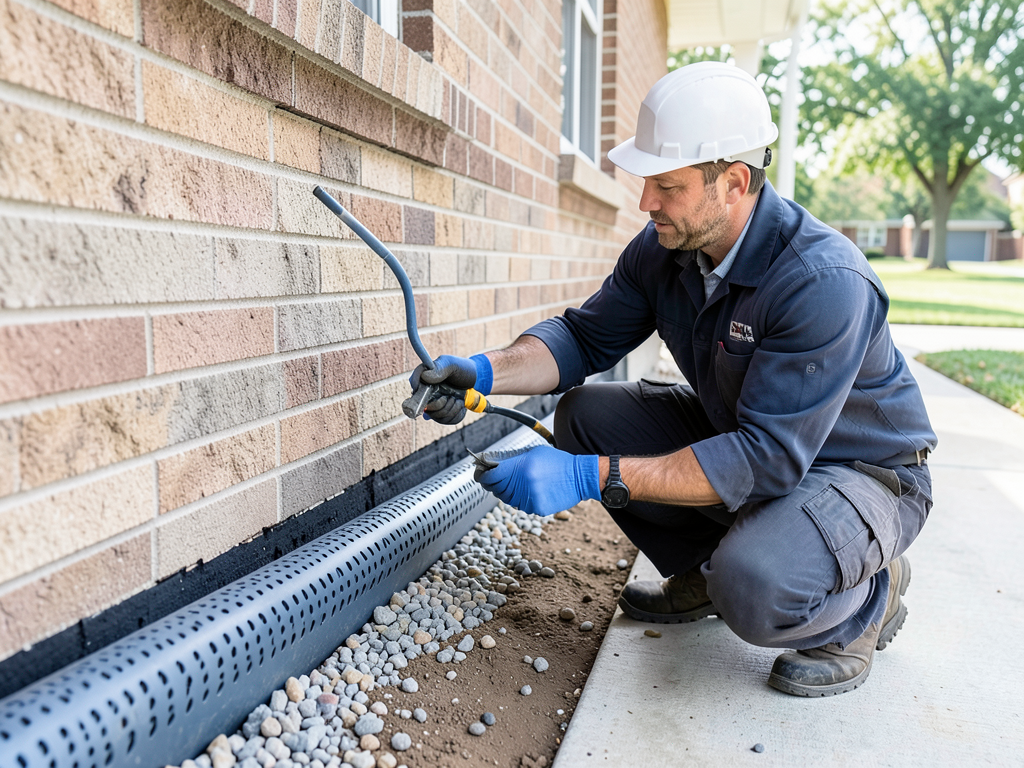
Portland operates a combined sewer system in older neighborhoods where stormwater and sewage share the same pipes. During heavy rainfall, the system becomes overwhelmed and sewage backs up into the lowest entry points, typically basement floor drains and toilets. The city's Bureau of Environmental Services has documented over 50 combined sewer overflow events annually in recent years, with the highest frequency occurring in North Portland, St. Johns, and inner Southeast neighborhoods built before 1950. Properties near the Willamette River face additional risk when river levels rise during winter storms, creating backpressure in lateral lines that forces sewage into homes. Understanding your property's connection to Portland's sewer infrastructure helps predict vulnerability and implement preventive measures like backwater valves.
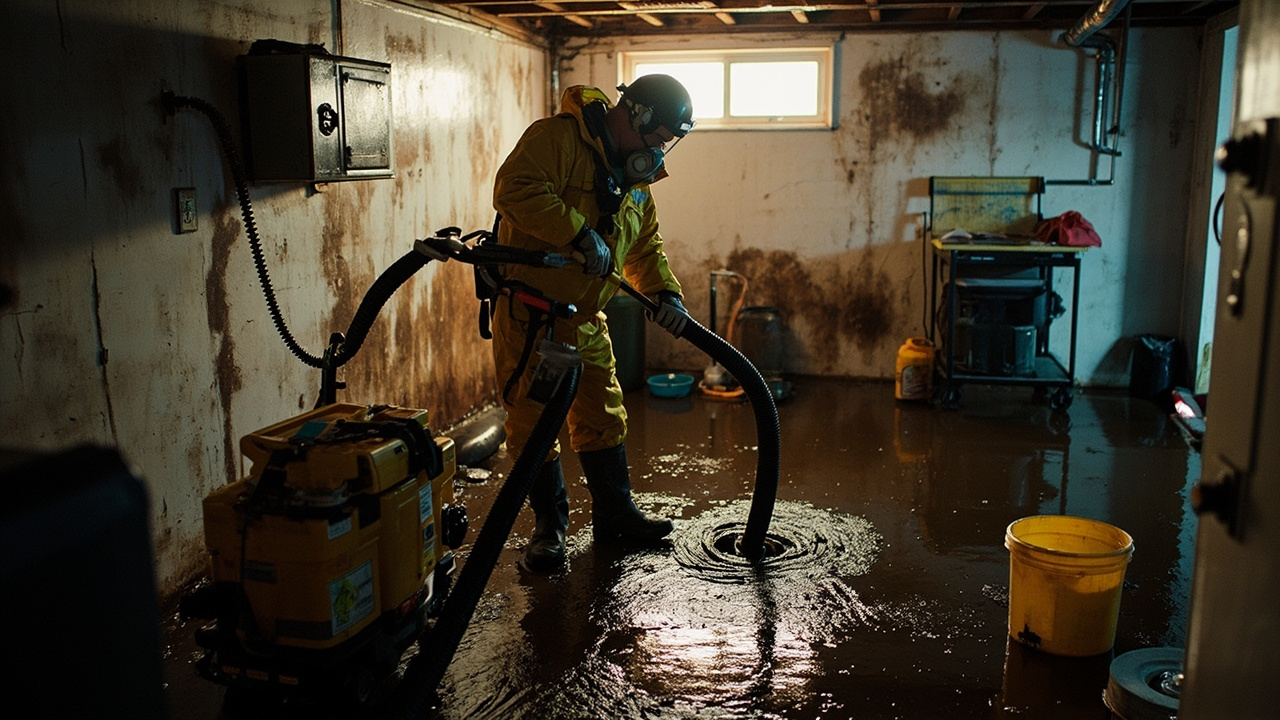
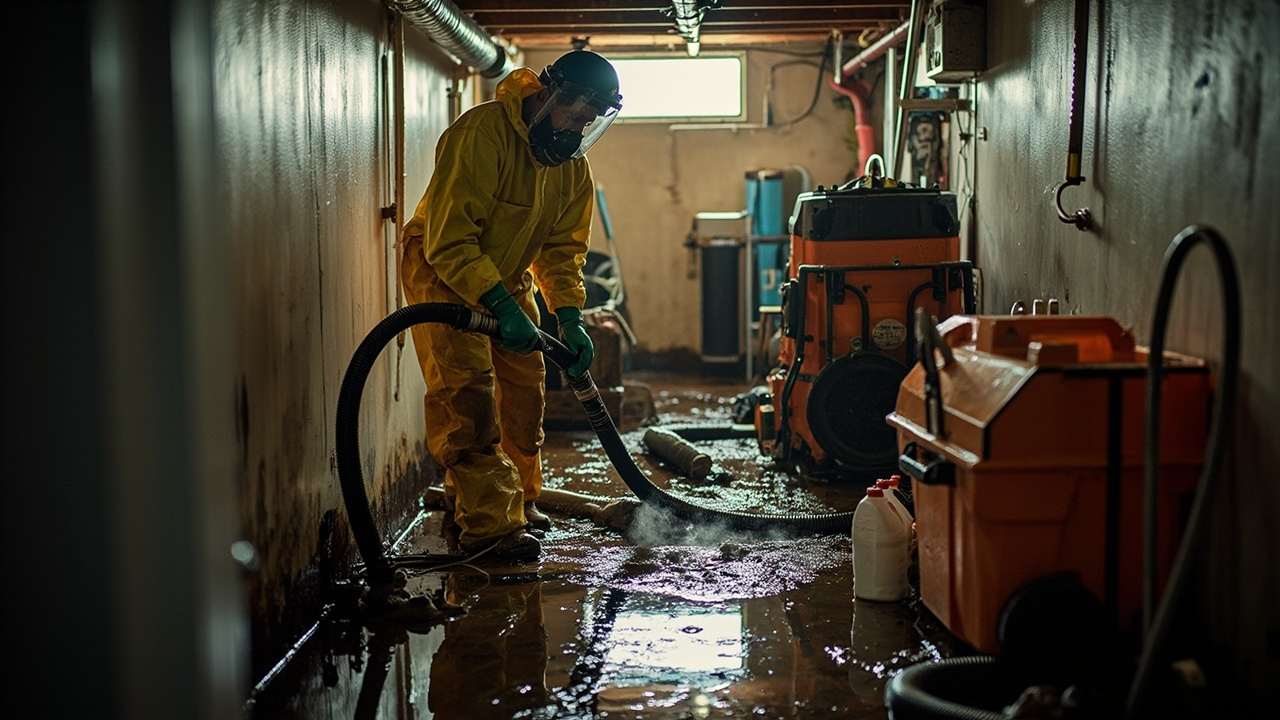
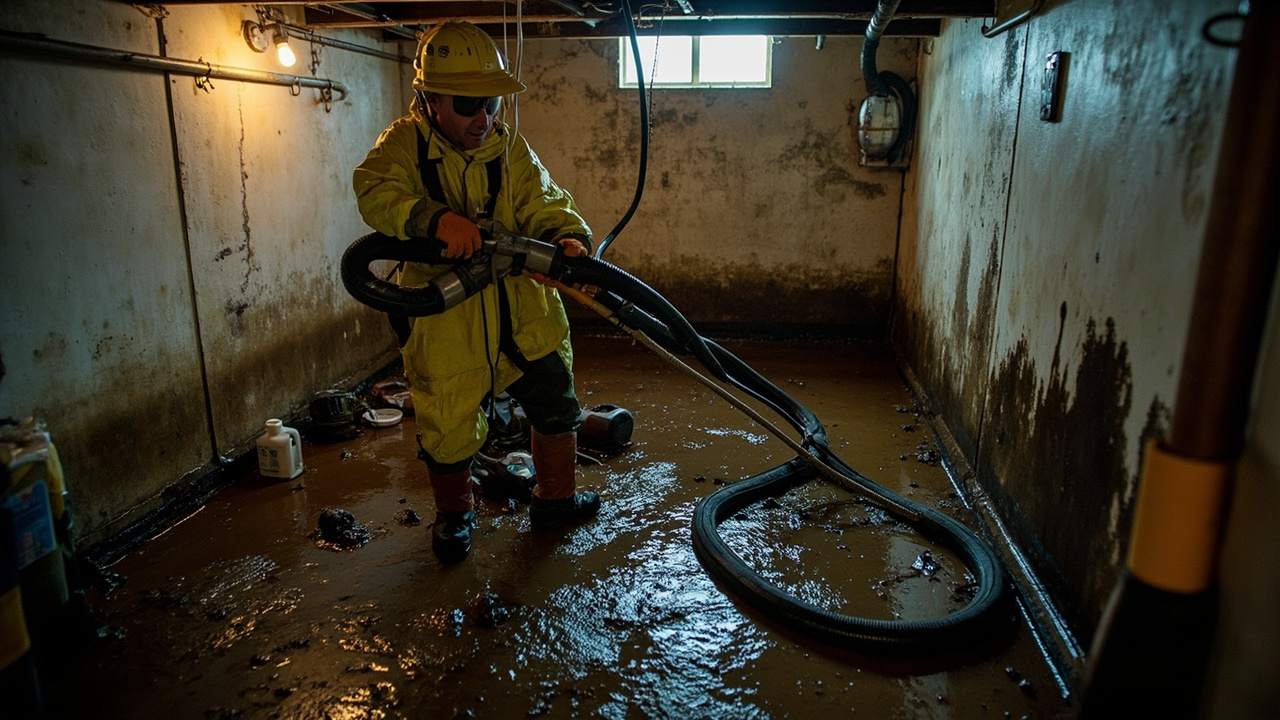
Sewage remediation in Portland requires knowledge of local disposal regulations and municipal coordination. Oregon DEQ mandates specific handling procedures for Category 3 water damage, and disposal facilities require documentation of waste origin and composition. We maintain relationships with Metro South and Columbia Boulevard transfer stations that accept hazardous waste from sewage cleanup projects. Our familiarity with City of Portland inspection requirements and Multnomah County Health Department protocols ensures your property meets all regulatory standards before reconstruction. Local expertise matters when navigating insurance claims, municipal inspections, and coordination with city crews addressing main line issues. We speak the language of Portland building inspectors and understand local expectations for sewage damage documentation.