
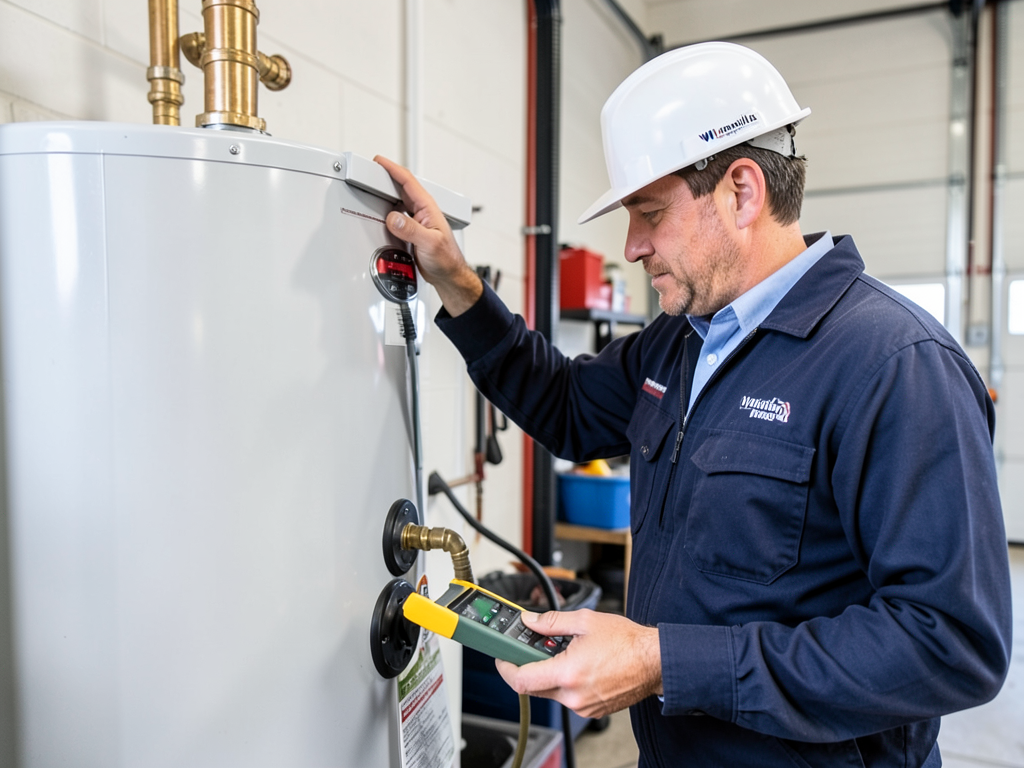
Preventing water heater floods in your Wilsonville garage
Water heater floods can cause thousands of dollars in damage within minutes. In Wilsonville’s older neighborhoods like Villebois and Charbonneau, many homes built in the early 2000s have aging water heaters that are reaching the end of their 10-15 year lifespan. The combination of hard water from the Willamette Valley and the garage’s cooler temperatures can accelerate corrosion and sediment buildup. A single 50-gallon tank can leak 6-8 gallons per minute when a seam fails, turning your garage floor into a flooding hazard before you even notice. Water damage restoration for Hillsboro offices and commercial spaces.
Common causes of garage water heater failure
Water heaters in Wilsonville garages face unique challenges. The constant temperature fluctuations between winter freezes and summer heat cause metal tanks to expand and contract, weakening seams over time. Hard water deposits create insulating layers that trap heat and cause the tank to overheat. The pressure relief valve can stick when mineral buildup prevents proper operation. These failures often happen without warning, especially in units older than 12 years. Emergency water damage restoration in Portland that arrives in under an hour.
Emergency shutoff procedures for gas and electric heaters
Knowing how to shut off your water heater quickly can save your garage from extensive damage. For gas heaters, locate the gas shutoff valve on the incoming gas line and turn it perpendicular to the pipe. For electric models, find the dedicated circuit breaker in your electrical panel and switch it off. The cold water supply valve is typically located on the pipe entering the top of the tank – turn it clockwise until it stops. If you cannot reach the valves due to water, use the main water shutoff valve for your home, usually near the water meter. Water Damage Restoration Wilsonville.
Warning signs your water heater needs attention
Watch for these red flags that indicate your water heater is failing. Rusty water from hot taps suggests internal tank corrosion. Unusual rumbling or popping sounds during heating cycles indicate sediment buildup at the bottom of the tank. Moisture or corrosion around fittings and valves signals slow leaks that can suddenly become catastrophic. A drop in water temperature or longer recovery times means the heating elements or burner may be failing. In Wilsonville’s older neighborhoods, these signs are especially common in homes built before 2005.. Read more about Fixing water damage from a washing machine overflow in Piedmont.
Professional inspection and maintenance schedule
Annual professional inspections can catch problems before they cause floods. A technician should check the pressure relief valve operation, inspect anode rod condition, test temperature settings, and examine all fittings for corrosion. In Wilsonville’s hard water conditions, flushing the tank every six months removes sediment that accelerates tank failure. The cost of regular maintenance is minimal compared to the average $4,500 cleanup bill for an uncontrolled water heater flood. Professional mold removal and remediation for Beaverton homeowners.
Water damage categories and cleanup requirements
Water from a leaking water heater is classified as Category 1 clean water initially. However, once it contacts garage flooring, walls, or stored items, it can quickly become Category 2 gray water or even Category 3 black water if it mixes with contaminants. This contamination affects the cleanup process significantly. Category 1 water requires extraction and drying within 24-48 hours. Category 2 water needs antimicrobial treatment. Category 3 situations require complete removal of affected materials and professional disinfection. Document Drying & Restoration.
Structural drying for Wilsonville garage floors
Garage floors in Wilsonville homes often have concrete slabs with embedded moisture barriers that vary in effectiveness. When water floods the garage, it seeps into the porous concrete and can wick up drywall or wood framing. Professional structural drying uses industrial air movers and dehumidifiers to create a vortex of air movement that pulls moisture from all surfaces. Moisture meters track drying progress, ensuring the concrete returns to normal moisture content levels before reconstruction begins. This process typically takes 3-5 days depending on the extent of saturation.. Read more about Why professional drying is better than DIY fans for your Hawthorne basement.
Insurance coverage for water heater damage
Most standard homeowners insurance policies in Oregon cover sudden and accidental water heater failures but exclude damage from lack of maintenance or wear and tear. Document the incident with photos and videos before cleanup begins. Keep all receipts for emergency services, as your insurance company may require them for reimbursement. Some policies include coverage for temporary storage of damaged items. Review your policy’s water damage provisions annually, as coverage limits and exclusions can change.
Water heater replacement options for Wilsonville homes
When replacement becomes necessary, consider upgrading to a tankless water heater or a high-efficiency model with better insulation. Tankless units eliminate the flood risk entirely since they have no storage tank. If you prefer a traditional tank, choose one with a longer warranty period, which often indicates better construction quality. Local building codes in Wilsonville require proper seismic strapping and a drain pan with a dedicated drain line for all new installations. These safety features prevent many common failure scenarios.
DIY prevention tips for garage water heaters
Several simple steps can extend your water heater’s life and prevent floods. Install a water alarm under the tank to detect leaks early. Replace the pressure relief valve every five years, as they can fail with age. Insulate hot water pipes to reduce thermal stress on the tank. Keep the area around the water heater clear of stored items that could hide slow leaks. Test the pressure relief valve annually by lifting the lever and checking for water discharge.. Read more about What to do when a dishwasher floods your Woodstock kitchen.
Professional restoration services for water heater floods
When a water heater floods your Wilsonville garage, professional restoration services handle the entire recovery process. The team extracts standing water using truck-mounted pumps, removes damaged materials, and sets up industrial drying equipment. They monitor moisture levels daily and apply antimicrobial treatments to prevent mold growth. The restoration process includes repairing or replacing damaged drywall, flooring, and insulation. Professional services coordinate with your insurance company to streamline the claims process and ensure proper documentation. EPA mold prevention guidelines.
Cost factors in water heater flood restoration
Restoration costs vary based on several factors. The volume of water released affects extraction time and equipment needs. The extent of material damage determines what must be removed and replaced. Contamination level influences the required cleaning and disinfection procedures. Your garage’s construction materials impact drying times – concrete floors take longer than wood subfloors. Accessibility for equipment and the need for temporary storage of personal items also affect the total cost. Most homeowners find that professional restoration costs less than attempting DIY cleanup, especially when considering long-term mold prevention.
Preventing future water heater floods
After experiencing a water heater flood, take steps to prevent future incidents. Install an automatic water shutoff valve that detects leaks and cuts off the water supply. Consider a water heater pan with a working drain line to contain minor leaks. Replace aging units before they fail, typically around the 12-year mark. Keep a record of installation dates and maintenance history. These preventive measures cost far less than emergency restoration services and give you peace of mind.
Local building codes and permit requirements
Wilsonville and Clackamas County require permits for water heater replacements and major repairs. The Oregon Residential Specialty Code mandates seismic strapping for all water heaters, proper venting for gas units, and temperature and pressure relief valve installation. Local inspectors verify that installations meet these requirements. Working with licensed professionals ensures your water heater installation complies with all local codes and maintains your home’s insurance coverage.
Environmental considerations for water heater disposal
Old water heaters contain recyclable materials including steel tanks, copper components, and brass fittings. Wilsonville residents can recycle water heaters at the Clackamas County Recycling Center or through local scrap metal dealers. Some retailers offer haul-away services when you purchase a new unit. Proper disposal prevents these materials from entering landfills and allows the metals to be recycled into new products. Check with your waste management provider about scheduled bulk item pickup days for water heater disposal.. Read more about The dangerous mistake of entering a flooded room before the power is off.
Frequently Asked Questions
How long do water heaters typically last in Wilsonville?
Most water heaters last 10-15 years in Wilsonville’s climate. Hard water and temperature fluctuations can reduce lifespan to 8-12 years. Units older than 12 years should be monitored closely or replaced preventively.
Can I install a water heater myself to save money?
DIY installation is not recommended due to safety risks and code requirements. Improper installation can void warranties, create gas or electrical hazards, and fail inspections. Professional installation ensures compliance with local codes and manufacturer specifications.
What should I do first if my water heater starts leaking?
Immediately shut off the cold water supply valve on the tank, then turn off power or gas. If you cannot access these valves, use the main water shutoff for your home. Contact a professional restoration service to assess and mitigate damage.
Are tankless water heaters worth the investment?
Tankless water heaters eliminate flood risks and provide endless hot water, but have higher upfront costs. They typically pay for themselves through energy savings within 5-7 years. Consider your household’s hot water usage and budget when deciding.
Call (503) 882-7766 today to schedule your inspection
Don’t wait for a flood to discover your water heater is failing. Our Wilsonville-based team provides comprehensive water heater inspections, maintenance, and emergency restoration services. We understand the unique challenges of Oregon’s climate and local building requirements. Call (503) 882-7766 now to protect your home from costly water damage. Our certified technicians are ready to help you prevent the next disaster.
Protect your Wilsonville home from water heater disasters
Water heater floods can happen to anyone, but preparation makes all the difference. By understanding the warning signs, knowing emergency procedures, and maintaining your unit properly, you can avoid the stress and expense of sudden flooding. Remember that professional help is just a phone call away when you need it most. Don’t let an aging water heater threaten your home’s safety and value. For more information, visit IICRC water damage restoration standards.
You may also find this helpful. Protecting your Foster-Powell ADU from moisture and water damage.
{
“@context”: “https://schema.org”,
“@type”: “BlogPosting”,
“headline”: “Preventing water heater floods in your Wilsonville garage”,
“description”: “Learn how to prevent water heater floods in your Wilsonville garage with expert tips on maintenance, leak detection, and emergency shutoff procedures.”,
“wordCount”: 1669,
“datePublished”: “2026-03-11T12:54:00.000Z”,
“dateModified”: “2026-03-11T12:54:00.000Z”,
“inLanguage”: “en-US”,
“mainEntityOfPage”: {
“@type”: “WebPage”,
“@id”: “https://evergreenwaterdamagerestorationportland.com”
},
“publisher”: {
“@type”: “LocalBusiness”,
“name”: “Evergreen Water Damage Restoration Portland”,
“url”: “https://evergreenwaterdamagerestorationportland.com”
},
“author”: {
“@type”: “Organization”,
“name”: “Evergreen Water Damage Restoration Portland”,
“url”: “https://evergreenwaterdamagerestorationportland.com”
},
“image”: {
“@type”: “ImageObject”,
“url”: “https://evergreenwaterdamagerestorationportland.com/wp-content/uploads/2026/03/preventing-water-heater-floods-in-your-wilsonville-1.png”
}
}
{
“@context”: “https://schema.org”,
“@type”: “LocalBusiness”,
“name”: “Evergreen Water Damage Restoration Portland”,
“url”: “https://evergreenwaterdamagerestorationportland.com”,
“address”: {
“@type”: “PostalAddress”,
“addressLocality”: “Portland”
},
“areaServed”: {
“@type”: “City”,
“name”: “Portland”
}
}
{
“@context”: “https://schema.org”,
“@type”: “FAQPage”,
“mainEntity”: [
{
“@type”: “Question”,
“name”: “How long do water heaters typically last in Wilsonville?”,
“acceptedAnswer”: {
“@type”: “Answer”,
“text”: “Most water heaters last 10-15 years in Wilsonville’s climate. Hard water and temperature fluctuations can reduce lifespan to 8-12 years. Units older than 12 years should be monitored closely or replaced preventively.”
}
},
{
“@type”: “Question”,
“name”: “Can I install a water heater myself to save money?”,
“acceptedAnswer”: {
“@type”: “Answer”,
“text”: “DIY installation is not recommended due to safety risks and code requirements. Improper installation can void warranties, create gas or electrical hazards, and fail inspections. Professional installation ensures compliance with local codes and manufacturer specifications.”
}
},
{
“@type”: “Question”,
“name”: “What should I do first if my water heater starts leaking?”,
“acceptedAnswer”: {
“@type”: “Answer”,
“text”: “Immediately shut off the cold water supply valve on the tank, then turn off power or gas. If you cannot access these valves, use the main water shutoff for your home. Contact a professional restoration service to assess and mitigate damage.”
}
},
{
“@type”: “Question”,
“name”: “Are tankless water heaters worth the investment?”,
“acceptedAnswer”: {
“@type”: “Answer”,
“text”: “Tankless water heaters eliminate flood risks and provide endless hot water, but have higher upfront costs. They typically pay for themselves through energy savings within 5-7 years. Consider your household’s hot water usage and budget when deciding.”
}
}
]
}
{
“@context”: “https://schema.org”,
“@type”: “BreadcrumbList”,
“itemListElement”: [
{
“@type”: “ListItem”,
“position”: 1,
“name”: “Home”,
“item”: “https://evergreenwaterdamagerestorationportland.com”
},
{
“@type”: “ListItem”,
“position”: 2,
“name”: “Blog”,
“item”: “https://evergreenwaterdamagerestorationportland.com/blog”
},
{
“@type”: “ListItem”,
“position”: 3,
“name”: “Preventing water heater floods in your Wilsonville garage”
}
]
}
{
“@context”: “https://schema.org”,
“@type”: “Service”,
“serviceType”: “Water Damage Restoration”,
“provider”: {
“@type”: “LocalBusiness”,
“name”: “Evergreen Water Damage Restoration Portland”,
“url”: “https://evergreenwaterdamagerestorationportland.com”
},
“areaServed”: {
“@type”: “City”,
“name”: “Portland”
},
“description”: “Learn how to prevent water heater floods in your Wilsonville garage with expert tips on maintenance, leak detection, and emergency shutoff procedures.”
}