
Choosing the right water damage company for your Northwest District apartment
When water starts seeping through your ceiling or pooling under your floors in your Northwest District apartment, every minute counts. The historic buildings along NW 23rd Avenue and the modern high-rises near the Pearl District have unique vulnerabilities that require specialized restoration expertise. Understanding what separates a qualified water damage company from an unqualified one can save you thousands in preventable damage. Water damage restoration for Hillsboro offices and commercial spaces.
The Northwest District presents specific challenges for water damage restoration. Many buildings date back to the early 1900s with plaster walls, hardwood floors, and original plumbing systems that can fail without warning. When a pipe bursts in a building on NW Flanders Street, the water can travel through multiple units before anyone notices. That’s why choosing a company with experience in multi-unit buildings and knowledge of Portland’s building codes is critical. Emergency water damage restoration in Portland that arrives in under an hour.
A qualified water damage restoration company should arrive within 60 minutes of your call, not the next morning. They should carry moisture meters, thermal imaging cameras, and industrial-grade dehumidifiers on every truck. Most importantly, they should provide a clear, written assessment before starting any work, including documentation for your insurance company. Document Drying & Restoration.
The right company will understand the difference between Category 1 water from a broken supply line and Category 3 water from a sewage backup. They’ll know that Category 3 requires full PPE and complete removal of affected materials, while Category 1 might only need extraction and drying. This knowledge directly impacts your health, your property’s value, and your restoration timeline. Professional mold removal and remediation for Beaverton homeowners.
Before you make that emergency call, you need to know what questions to ask and what credentials to verify. The next sections break down exactly what to look for, how to verify licensing, and what to expect during the restoration process.. Read more about What to look for in a restoration estimate for your Fairview home.
Essential credentials to verify before hiring
Water damage restoration isn’t regulated like plumbing or electrical work, but professional certification matters more than you might think. The Institute of Inspection Cleaning and Restoration Certification (IICRC) sets the industry standard for water damage restoration through their S500 standard. This certification ensures technicians understand psychrometrics, the science of moisture removal, and follow proper drying protocols. IICRC certification.
Ask for the company’s Oregon Construction Contractors Board (CCB) license number. Oregon law requires any contractor performing work over $1,000 to be licensed. A valid CCB license means the company carries required insurance and has passed background checks. You can verify this license online through the Oregon CCB website in under two minutes. Oregon Construction Contractors Board.
Professional liability insurance and workers’ compensation coverage protect you if something goes wrong during the restoration. A reputable company will provide certificates of insurance without hesitation. Without these protections, you could be liable if a technician gets injured in your apartment or if damage occurs during the restoration process.. Read more about Managing water damage and mudflow risks for Forest Park properties.
Check online reviews across multiple platforms, not just Google. Look for patterns in feedback. Do customers consistently mention fast response times? Are there complaints about hidden fees or incomplete work? Recent reviews from the past three months matter more than older ones, as they reflect the company’s current operations.
The right company will also have relationships with local insurance adjusters. They should be able to provide documentation that meets your insurance company’s requirements, including moisture readings, photos of damage, and a detailed scope of work. This documentation can mean the difference between a smooth claim approval and weeks of back-and-forth with your insurance company.. Read more about How to spot water damage in a high-rise condo at South Waterfront.
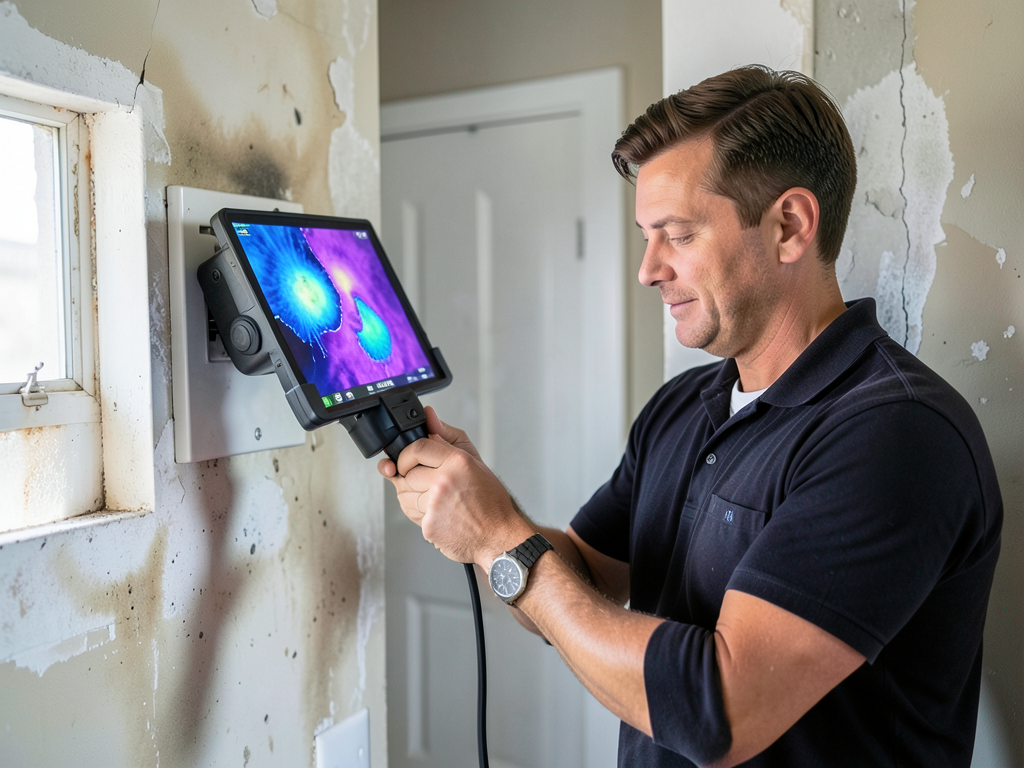
Image: Technician using thermal imaging camera to detect hidden moisture behind walls in a Northwest Portland apartment. The camera displays temperature variations showing water intrusion areas in blue and purple.. Read more about The difference between water mitigation and restoration for Richmond homeowners.
Understanding Portland’s unique water damage challenges
Portland’s climate creates specific water damage patterns that affect Northwest District apartments differently than homes in other regions. The city receives an average of 43 inches of rain annually, with most falling between October and April. This concentrated rainfall period means many water damage incidents occur during the same months, creating high demand for restoration services.
The Willamette Valley’s clay soils expand when wet and contract when dry. This soil movement puts pressure on foundation walls and can cause hairline cracks that allow groundwater intrusion. In older Northwest District buildings, these cracks often go unnoticed until a major storm overwhelms the building’s drainage systems.
Portland’s freeze-thaw cycles present another unique challenge. When temperatures drop below freezing, water in pipes can expand and cause bursts. Then, when temperatures rise above freezing, those bursts become active leaks. This pattern is particularly common in buildings with pipes running through exterior walls or unheated crawl spaces.
The Northwest District’s mix of historic and modern construction creates additional complications. Many buildings have undergone multiple renovations, resulting in a patchwork of plumbing materials. Galvanized pipes from the 1950s, copper from the 1980s, and PEX from recent remodels might all exist in the same building. Each material has different failure modes and requires different repair approaches.
Local building codes also affect restoration approaches. Portland’s Green Building Policy requires specific waste handling procedures for demolition materials. A qualified restoration company will understand these requirements and ensure proper disposal of damaged materials, preventing potential fines or delays.
Comparing water damage company capabilities
| Capability | Basic Service | Professional Service | Premium Service |
|---|---|---|---|
| Response Time | 4+ hours | 1-2 hours | 30-60 minutes |
| Equipment | Basic fans | Industrial dehumidifiers | Thermal imaging + moisture mapping |
| Documentation | Basic photos | Insurance-ready reports | 3D moisture mapping + video |
| Certification | None | IICRC Water Restoration Tech | IICRC Master Water Restorer |
| Insurance Coordination | Minimal | Direct billing available | Claims specialist on staff |
The equipment a company brings to your apartment directly impacts the restoration timeline and outcome. Basic box fans might seem like they’re doing something, but they cannot remove moisture from structural materials effectively. Professional-grade air movers create high-velocity airflow that accelerates evaporation from walls, floors, and ceilings.. Read more about Why professional drying is better than DIY fans for your Hawthorne basement.
Industrial dehumidifiers are equally important. These units can remove 20-30 gallons of water from the air daily, compared to residential dehumidifiers that handle only a few pints. In Portland’s naturally humid climate, this difference determines whether materials dry within 72 hours or develop mold growth.
Moisture meters and thermal imaging cameras allow technicians to detect water in wall cavities, under flooring, and in ceiling spaces without destructive testing. This non-invasive approach means less demolition and faster restoration. A company without this technology might miss hidden moisture pockets, leading to recurring problems months later.
The restoration process itself follows a specific sequence. First comes emergency response and damage mitigation. Then water extraction removes standing water. Next, demolition removes unsalvageable materials. Finally, drying and dehumidification remove remaining moisture. Each step requires specific equipment and expertise.
Red flags that signal an unqualified company
Several warning signs should make you hesitate before hiring a water damage company. The most obvious is a refusal to provide licensing information or insurance certificates. Any legitimate company will gladly share these documents. If they hesitate or make excuses, move on to another provider.
Be wary of companies that offer extremely low prices compared to competitors. Water damage restoration requires expensive equipment, trained technicians, and proper disposal of contaminated materials. Prices that seem too good to be true usually are. These companies often cut corners on equipment, skip necessary demolition, or fail to complete proper drying.
Watch for high-pressure sales tactics. A reputable company will explain your options and let you make informed decisions. If a technician insists you need extensive demolition without showing you moisture readings or explaining the reasoning, get a second opinion. Some companies use fear tactics to sell unnecessary services.
Lack of local knowledge is another red flag. A company unfamiliar with Portland’s building codes, climate patterns, or common water damage sources in the Northwest District might miss critical issues. They might also use restoration approaches that work in other regions but fail in Portland’s unique environment.
Pay attention to communication quality. Do they answer calls promptly? Do they explain technical terms in plain language? Do they provide written estimates before starting work? Poor communication often indicates deeper operational problems that will surface during the restoration process.
Finally, be cautious of companies that demand large upfront payments. While some deposits are normal, asking for more than 25% before any work begins is suspicious. Most reputable companies bill insurance directly or only require payment after completing specific restoration milestones.
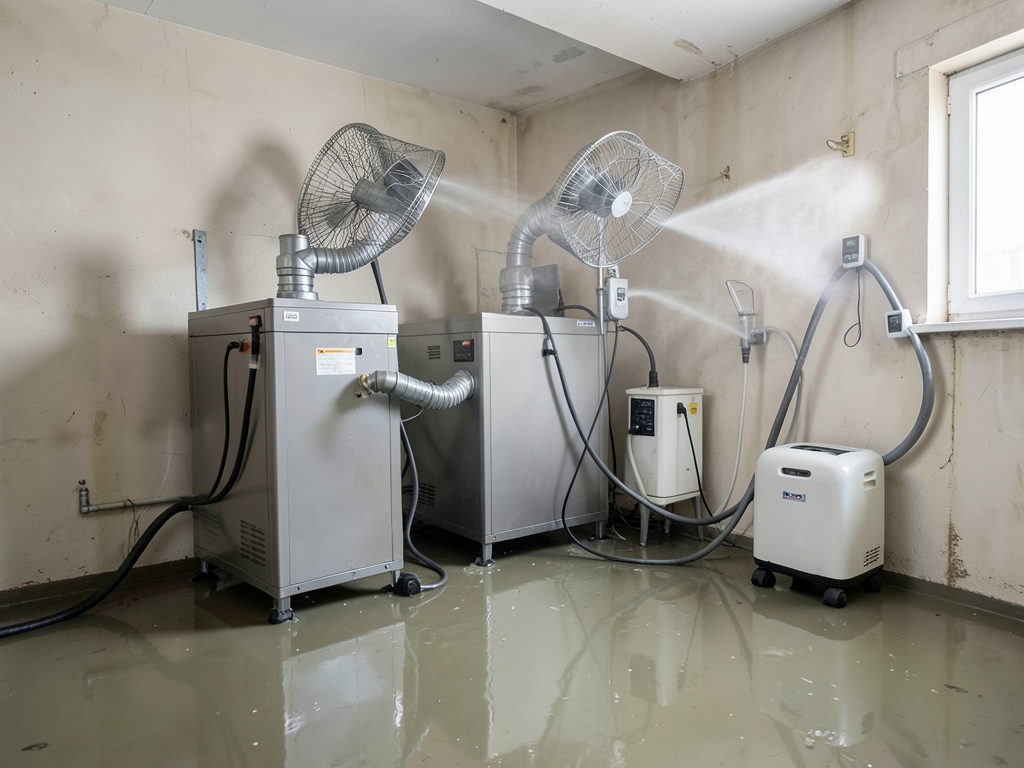
Image: Industrial-grade drying equipment setup in a flooded apartment. Multiple air movers create directional airflow while dehumidifiers extract moisture from the air. Moisture meters test wall cavities to verify drying progress.
The restoration process step by step
- Emergency Contact and Assessment
When you call, a qualified company will ask specific questions about the water source, affected areas, and any safety concerns. They’ll dispatch a team with appropriate equipment within the promised timeframe. Upon arrival, technicians use moisture meters to map the damage extent and identify hidden water pockets.
- Water Extraction
Powerful truck-mounted or portable extractors remove standing water from floors, carpets, and other surfaces. This step prevents further absorption into structural materials. The equipment used can extract hundreds of gallons per hour, dramatically reducing drying time and preventing secondary damage.
- Demolition and Removal
Unsalvageable materials like soaked drywall, insulation, and carpet padding must be removed. This step might seem destructive, but it’s essential for proper drying and preventing mold growth. Technicians wear appropriate PPE when handling potentially contaminated materials and follow proper disposal protocols.
- Drying and Dehumidification
Industrial air movers create high-velocity airflow across wet surfaces, accelerating evaporation. Dehumidifiers remove the moisture from the air, preventing it from redepositing on dry materials. This process typically takes 3-5 days, with moisture levels monitored daily using specialized meters.
- Cleaning and Sanitizing
Affected areas receive antimicrobial treatment to prevent mold growth. This step is crucial for Category 2 and 3 water damage, where contamination is a concern. The cleaning process also removes odors and prepares surfaces for reconstruction.
- Monitoring and Documentation
Throughout the process, technicians track moisture levels in affected and unaffected areas. They adjust equipment placement based on readings and document progress with photos and moisture maps. This documentation proves the restoration was completed properly and satisfies insurance requirements.
The drying phase requires particular attention in Portland’s climate. Our high relative humidity means outdoor air often contains more moisture than indoor air, making natural drying impossible. Professional dehumidifiers must maintain specific humidity levels, typically below 40%, to ensure complete structural drying.
Temperature also affects drying speed. Most drying equipment works best between 70-90 degrees Fahrenheit. In winter months, temporary heating might be necessary to maintain optimal drying conditions. A qualified company will monitor both temperature and humidity throughout the process.
The monitoring phase continues even after visible drying appears complete. Moisture meters can detect water in materials that feel dry to the touch. Wood, for example, can hold moisture content above 15% without feeling wet. Professional drying aims for moisture content below 12% in wood materials to prevent future problems.
Documentation during this phase serves multiple purposes. It provides proof for insurance claims, creates a record for future reference if problems arise, and helps identify any areas needing additional attention. A thorough company will provide you with a final report showing before, during, and after moisture readings.
Cost factors and insurance considerations
Water damage restoration costs vary significantly based on several factors. The water category is the most important determinant. Category 1 water from a clean source like a broken supply line typically costs $3-4 per square foot to restore. Category 3 water from sewage backups can cost $7-10 per square foot due to the extensive safety measures and material removal required. Safe and fast sewage backup cleanup services in Gresham.
The affected area size matters, but not in the way many people expect. A small, contained leak in a bathroom might cost more per square foot than a whole-apartment flood because of the precision work required in tight spaces. However, larger areas benefit from economies of scale in equipment setup and operation.
Material types significantly impact costs. Hardwood floors can often be saved with proper drying, while laminate flooring usually requires replacement. Plaster walls take longer to dry than drywall and might need specialized equipment. Original hardwood trim might justify the cost of careful drying versus replacement.
Most homeowner’s insurance policies cover sudden, accidental water damage but not gradual leaks or flood damage. Portland’s location means many residents need separate flood insurance through the National Flood Insurance Program if they’re in designated flood zones. Your restoration company should help you understand what your policy covers.
Insurance companies often prefer working with restoration companies that use Xactimate estimating software. This industry-standard software creates detailed, line-item estimates that insurance adjusters recognize. Companies using this software can often bill insurance directly, reducing your out-of-pocket expenses and paperwork burden.
Ask about payment options before work begins. Many companies offer payment plans or can coordinate with your mortgage company if insurance proceeds will cover the work. Understanding the financial aspect upfront prevents surprises during an already stressful situation.
Image: Moisture meter reading display showing percentage moisture content in different building materials. Technician explains readings to apartment owner, demonstrating the science behind the restoration process.
Frequently Asked Questions
How quickly should I call a water damage company after discovering a leak?
Call immediately. Water spreads rapidly through building materials, and mold can begin growing within 24-48 hours. The first 24 hours are critical for minimizing damage and preventing secondary issues like mold growth or structural damage.
Can I handle water damage cleanup myself to save money?
For small spills under 10 square feet, DIY cleanup might work. However, professional restoration is worth the cost for anything larger. Professionals have equipment to detect hidden moisture, prevent mold growth, and provide documentation for insurance claims. DIY attempts often miss underlying problems that cause expensive damage later.
How long does the restoration process typically take?
The timeline varies based on damage extent and materials affected. Emergency response and initial assessment happen within hours. Water extraction and demolition might take 1-2 days. Drying typically requires 3-5 days with equipment running continuously. Complete restoration, including reconstruction, can take weeks to months depending on the scope.
Will my apartment be livable during the restoration?
This depends on the damage extent and your apartment’s layout. For minor damage confined to one area, you might stay in unaffected portions. However, for extensive damage or Category 3 water situations, temporary relocation is often necessary for health and safety reasons. Your restoration company can help determine the best approach.
What certifications should I look for in a water damage company?
Look for IICRC certification, specifically the Water Damage Restoration Technician (WRT) or Applied Structural Drying (ASD) designations. The company should also have a valid Oregon CCB license and carry appropriate insurance. Additional certifications in mold remediation or fire restoration indicate broader expertise.
Water damage in your Northwest District apartment doesn’t have to become a nightmare. By understanding what separates qualified restoration companies from unqualified ones, you can make informed decisions during a stressful time. Remember that the cheapest option often costs more in the long run when hidden damage surfaces months later.
The right company will arrive quickly, use proper equipment, provide clear documentation, and stand behind their work. They’ll understand Portland’s unique climate challenges and building code requirements. Most importantly, they’ll treat your home with the respect it deserves while restoring it to pre-loss condition.
Don’t wait until water is actively damaging your property to research restoration companies. Keep this information handy and know who to call when disaster strikes. Your Northwest District apartment deserves professional care from technicians who understand its specific needs and vulnerabilities.
Call (503) 882-7766 today to schedule your inspection and protect your property from water damage before it’s too late.
{
“@context”: “https://schema.org”,
“@type”: “BlogPosting”,
“headline”: “Choosing the right water damage company for your Northwest District apartment”,
“description”: “Don’t let water damage ruin your NW Portland apartment. Learn what to look for in a certified restoration company serving the Pearl District and beyond.”,
“wordCount”: 2643,
“datePublished”: “2026-03-05T11:23:00.000Z”,
“dateModified”: “2026-03-05T11:23:00.000Z”,
“inLanguage”: “en-US”,
“mainEntityOfPage”: {
“@type”: “WebPage”,
“@id”: “https://evergreenwaterdamagerestorationportland.com”
},
“publisher”: {
“@type”: “LocalBusiness”,
“name”: “Evergreen Water Damage Restoration Portland”,
“url”: “https://evergreenwaterdamagerestorationportland.com”
},
“author”: {
“@type”: “Organization”,
“name”: “Evergreen Water Damage Restoration Portland”,
“url”: “https://evergreenwaterdamagerestorationportland.com”
},
“image”: {
“@type”: “ImageObject”,
“url”: “https://evergreenwaterdamagerestorationportland.com/wp-content/uploads/2026/03/choosing-the-right-water-damage-company-for-your-n-1.png”
}
}
{
“@context”: “https://schema.org”,
“@type”: “LocalBusiness”,
“name”: “Evergreen Water Damage Restoration Portland”,
“url”: “https://evergreenwaterdamagerestorationportland.com”,
“address”: {
“@type”: “PostalAddress”,
“addressLocality”: “Portland”
},
“areaServed”: {
“@type”: “City”,
“name”: “Portland”
}
}
{
“@context”: “https://schema.org”,
“@type”: “FAQPage”,
“mainEntity”: [
{
“@type”: “Question”,
“name”: “How quickly should I call a water damage company after discovering a leak?”,
“acceptedAnswer”: {
“@type”: “Answer”,
“text”: “Call immediately. Water spreads rapidly through building materials, and mold can begin growing within 24-48 hours. The first 24 hours are critical for minimizing damage and preventing secondary issues like mold growth or structural damage.”
}
},
{
“@type”: “Question”,
“name”: “Can I handle water damage cleanup myself to save money?”,
“acceptedAnswer”: {
“@type”: “Answer”,
“text”: “For small spills under 10 square feet, DIY cleanup might work. However, professional restoration is worth the cost for anything larger. Professionals have equipment to detect hidden moisture, prevent mold growth, and provide documentation for insurance claims. DIY attempts often miss underlying problems that cause expensive damage later.”
}
},
{
“@type”: “Question”,
“name”: “How long does the restoration process typically take?”,
“acceptedAnswer”: {
“@type”: “Answer”,
“text”: “The timeline varies based on damage extent and materials affected. Emergency response and initial assessment happen within hours. Water extraction and demolition might take 1-2 days. Drying typically requires 3-5 days with equipment running continuously. Complete restoration, including reconstruction, can take weeks to months depending on the scope.”
}
},
{
“@type”: “Question”,
“name”: “Will my apartment be livable during the restoration?”,
“acceptedAnswer”: {
“@type”: “Answer”,
“text”: “This depends on the damage extent and your apartment’s layout. For minor damage confined to one area, you might stay in unaffected portions. However, for extensive damage or Category 3 water situations, temporary relocation is often necessary for health and safety reasons. Your restoration company can help determine the best approach.”
}
},
{
“@type”: “Question”,
“name”: “What certifications should I look for in a water damage company?”,
“acceptedAnswer”: {
“@type”: “Answer”,
“text”: “Look for IICRC certification, specifically the Water Damage Restoration Technician (WRT) or Applied Structural Drying (ASD) designations. The company should also have a valid Oregon CCB license and carry appropriate insurance. Additional certifications in mold remediation or fire restoration indicate broader expertise.”
}
}
]
}
{
“@context”: “https://schema.org”,
“@type”: “HowTo”,
“name”: “Water Damage Restoration Process”,
“step”: [
{
“@type”: “HowToStep”,
“position”: 1,
“name”: “Emergency Contact and Assessment”,
“text”: “When you call, a qualified company will ask specific questions about the water source, affected areas, and any safety concerns. They’ll dispatch a team with appropriate equipment within the promised timeframe. Upon arrival, technicians use moisture meters to map the damage extent and identify hidden water pockets.”
},
{
“@type”: “HowToStep”,
“position”: 2,
“name”: “Water Extraction”,
“text”: “Powerful truck-mounted or portable extractors remove standing water from floors, carpets, and other surfaces. This step prevents further absorption into structural materials. The equipment used can extract hundreds of gallons per hour, dramatically reducing drying time and preventing secondary damage.”
},
{
“@type”: “HowToStep”,
“position”: 3,
“name”: “Demolition and Removal”,
“text”: “Unsalvageable materials like soaked drywall, insulation, and carpet padding must be removed. This step might seem destructive, but it’s essential for proper drying and preventing mold growth. Technicians wear appropriate PPE when handling potentially contaminated materials and follow proper disposal protocols.”
},
{
“@type”: “HowToStep”,
“position”: 4,
“name”: “Drying and Dehumidification”,
“text”: “Industrial air movers create high-velocity airflow across wet surfaces, accelerating evaporation. Dehumidifiers remove the moisture from the air, preventing it from redepositing on dry materials. This process typically takes 3-5 days, with moisture levels monitored daily using specialized meters.”
},
{
“@type”: “HowToStep”,
“position”: 5,
“name”: “Cleaning and Sanitizing”,
“text”: “Affected areas receive antimicrobial treatment to prevent mold growth. This step is crucial for Category 2 and 3 water damage, where contamination is a concern. The cleaning process also removes odors and prepares surfaces for reconstruction.”
},
{
“@type”: “HowToStep”,
“position”: 6,
“name”: “Monitoring and Documentation”,
“text”: “Throughout the process, technicians track moisture levels in affected and unaffected areas. They adjust equipment placement based on readings and document progress with photos and moisture maps. This documentation proves the restoration was completed properly and satisfies insurance requirements.”
}
],
“image”: “https://evergreenwaterdamagerestorationportland.com/wp-content/uploads/2026/03/choosing-the-right-water-damage-company-for-your-n-1.png”
}
{
“@context”: “https://schema.org”,
“@type”: “BreadcrumbList”,
“itemListElement”: [
{
“@type”: “ListItem”,
“position”: 1,
“name”: “Home”,
“item”: “https://evergreenwaterdamagerestorationportland.com”
},
{
“@type”: “ListItem”,
“position”: 2,
“name”: “Blog”,
“item”: “https://evergreenwaterdamagerestorationportland.com/blog”
},
{
“@type”: “ListItem”,
“position”: 3,
“name”: “Choosing the right water damage company for your Northwest District apartment”
}
]
}
{
“@context”: “https://schema.org”,
“@type”: “Service”,
“serviceType”: “Water Damage Restoration”,
“provider”: {
“@type”: “LocalBusiness”,
“name”: “Evergreen Water Damage Restoration Portland”,
“url”: “https://evergreenwaterdamagerestorationportland.com”
},
“areaServed”: {
“@type”: “City”,
“name”: “Portland”
},
“description”: “Don’t let water damage ruin your NW Portland apartment. Learn what to look for in a certified restoration company serving the Pearl District and beyond.”
}